A major conservation win: invasive black rats eradicated from North West Island
- Issued
- 27 April 2026
- Region
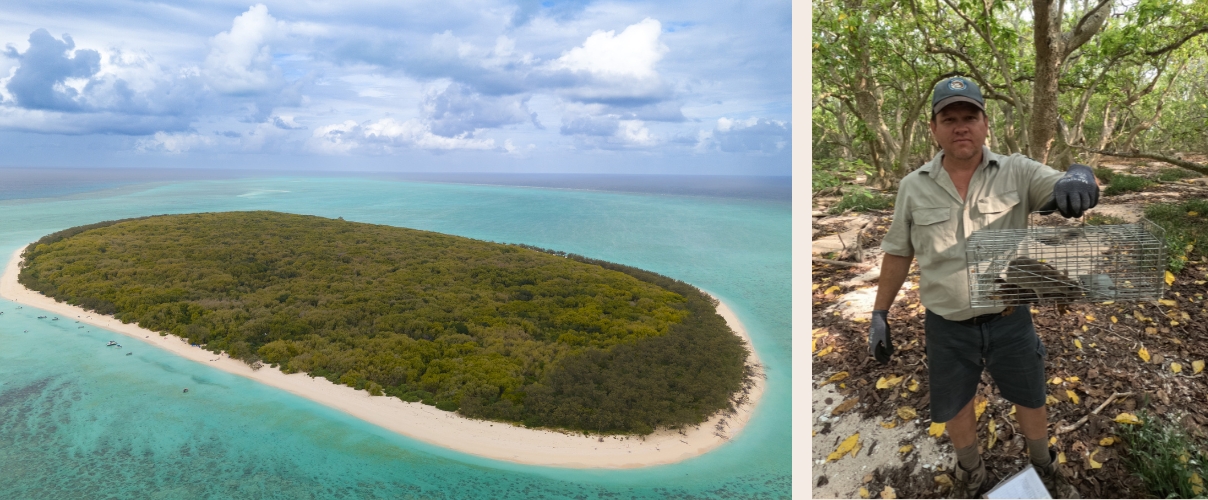
North West Island in the Great Barrier Reef World Heritage Area has been declared rat-free, a significant win for the conservation of threatened turtles and seabirds.
The declaration follows an intensive 18-month eradication program led by the Queensland Parks and Wildlife Service (QPWS) and Gidarjil Land and Sea Rangers, followed by 12 months of monitoring that found no evidence of rats remaining on the island.
For an island that supports important populations of nesting seabirds and marine turtles, the outcome is a major achievement toward protecting these species and restoring the health of the island’s precious and biologically diverse ecosystem.
Why are black rats such a problem?
A single breeding pair can multiply quickly, capable of creating a population in the thousands within a year. On isolated islands, where many native species evolved without mammal predators, the introduction of rats can be especially destructive.
They are omnivorous, meaning they will eat almost anything. On North West Island, that includes:
- seabirds, their eggs and chicks
- turtle eggs and hatchlings
- native vegetation
Due to North West Island’s exceptional environmental values, the rat eradication project became a key priority for QPWS and the Gidarjil Land and Sea Rangers.
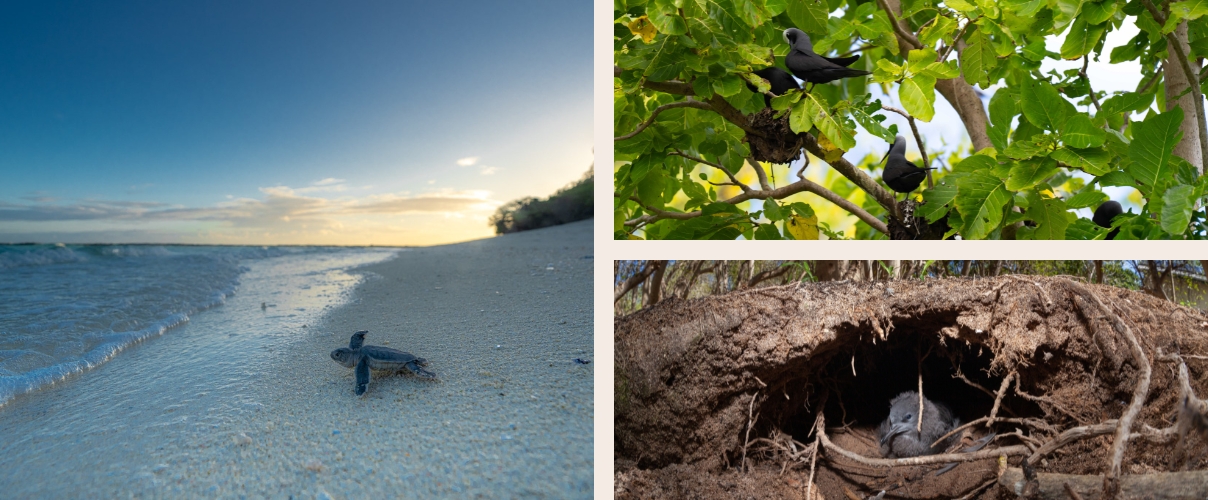
Black rats can have devastating impacts on turtle hatchlings and seabirds.
Photo credit: Turtle: © Jon Mills
How were the rats discovered?
The infestation was first reported to QPWS in November 2022 by diligent campground hosts on the island.
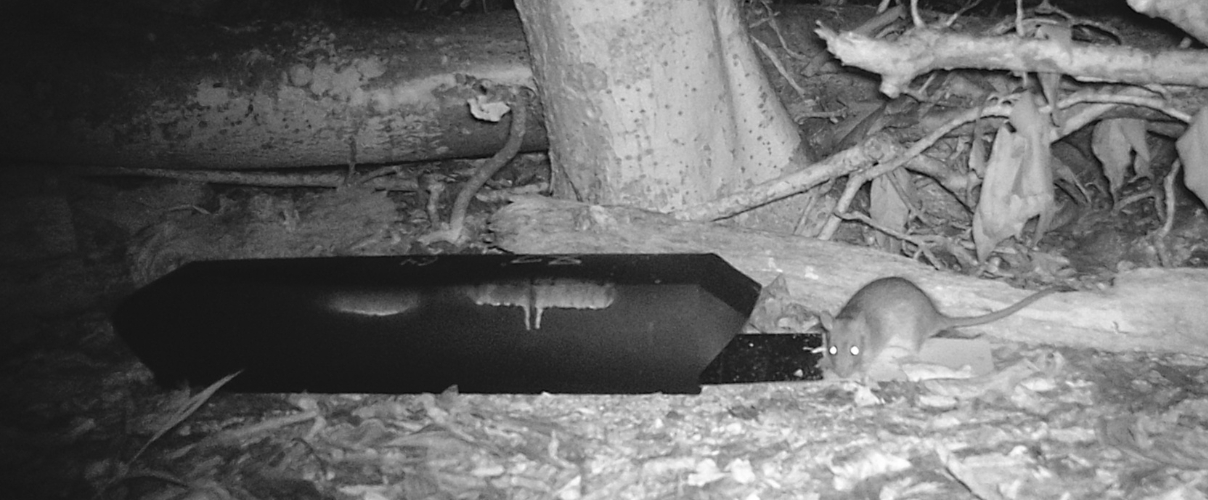
Following the reports, Rangers deployed remote cameras and Black Trakka ink monitoring stations which confirmed that black rats had spread throughout the island.
This was especially disappointing because mice had been declared eradicated from the island just three months earlier, highlighting how quickly pests can be reintroduced and how important strong biosecurity measures are for island conservation.
How were the rats eradicated?
Eradicating invasive species from an island is a complex task that requires careful planning, persistence and flexibility.
Because of the size of North West Island, aerial baiting by helicopter was identified as the most effective form of treatment to maximise the chances of success. However, bait stations and trapping were also used to help reduce the impacts on seabirds and turtles.
According to Senior Ranger Damon Shearer, the eradication team frequently altered their tactics to adapt to the rats’ changing behaviour over time.
Monitoring after treatment
Declaring an island pest-free is not something that happens immediately after baiting or trapping ends. Once the eradication program was complete, Rangers used remote cameras and Black Trakka traps to monitor for rats.
Only after a full year of intensive monitoring with no signs of black rats was North West Island officially declared rat-free.
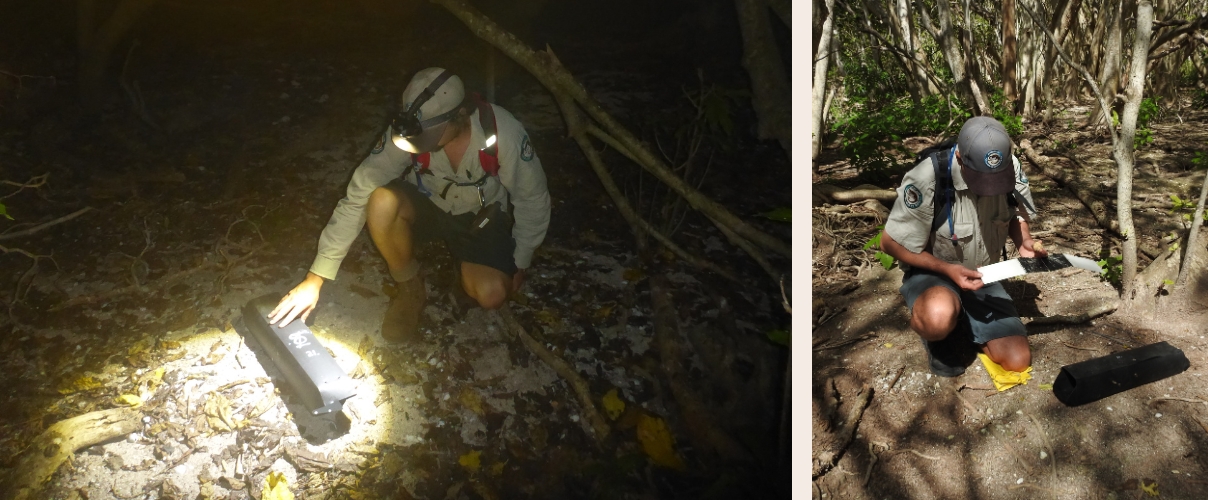
Rangers are urging the public to thoroughly check gear and boats before coming to the island.
Working together for conservation
The project was delivered by the Great Barrier Reef Marine Park Authority and QPWS through the Reef Joint Field Management Program, with funding through the Australian Government’s Reef Trust by Australia Pacific LNG, QGC and Santos GLNG.
It also reflects the value of collaboration on the ground, with QPWS Rangers and Gidarjil Land and Sea Rangers proud of the hard work they put in together to protect one of the Great Barrier Reef’s important island habitats.
Be pest-free when visiting the Great Barrier Reef islands
The isolation of many islands make them particularly vulnerable to pest impacts and this biosecurity risk threatens their World Heritage values. Overall, the best way for a pest to get to an island is to travel with visitors who unknowingly carry them over and leave them there.
A pest hiding in your gear or boat might seem harmless, but even small pests pose a big threat to our world heritage-listed islands.
Currently the precious Great Barrier Reef World Heritage islands are the most pest-free islands in the world. If you’re visiting an island you can help to keep it that way.
Read the Be pest-free! web page or watch Protecting the Great Barrier Reef: Biosecurity tips for more information.
Read more about:
- North West Island and the Capricornia Cays National Park
Related articles
-
Issued 18 November 2025
Over 470kg of marine debris removed from Curtis Island
-
Issued 22 July 2025
To celebrate 50 years of us, we’re giving you a sneak peek at one of the most important tools Rangers use to protect these special…
-
Image credit Lise Pedersen © Queensland Government![]() Behind the burning curtain on Curtis Island
Behind the burning curtain on Curtis Island
Issued 29 January 2025
Each year Rangers undertake a careful balancing act, planning the burns necessary to protect this beautiful stretch of Queensland island-life.


