- Issued
- 29 November 2024
Every great adventure begins with a plan. Creating and maintaining the tracks and trails of Queensland’s protected islands is no exception.
From tide times and weather forecasts, to calculating equipment weights and just how many bottles of bug spray crews need, the list of considerations can feel endless. Upgrades to the South Zoe Bay camping area on the incredibly popular Thorsborne Trail provided the perfect opportunity to reflect and share all that goes into keeping these remote and wild experiences feeling, well.... remote and wild.
Ship to shore
Before the first shovel hits the sand, detailed and proper planning is essential. Collaboration with the Bandjin and Girramay people, through the Munamudanamy Working Group, was essential to the upgrade process. Each of the several trips to the island for planning purposes included representatives from the Working Group, who worked alongside our Rangers and provided invaluable cultural connections and perspective on the ground.
Due to the isolated nature of Hinchinbrook Island National Park, crews relied on one of Queensland Parks and Wildlife Service’s (QPWS) larger marine vessels as their temporary home away from home. While the two larger vessels, the Reef Ranger and Reef Resilience, are both designed to operate as floating Ranger bases, domestic details like meal planning and bunk assignments also became a crucial part of the overall project planning to make sure the team could exist in such close quarters for the duration of the upgrades. Having a home base at the mercy of mother nature meant knowledgeable vessel masters were also a must. Deciding between anchorages depending on an eyewatering number of factors like wind, tide heights, and where crews needed to be the following day put our talented Skippers through their paces.


 Transferring equipment and supplies from Island Guardian (behind) to Island Ranger (front).
Photo credit: M. Janssen © Queensland Government
Transferring equipment and supplies from Island Guardian (behind) to Island Ranger (front).
Photo credit: M. Janssen © Queensland Government
 Offloading equipment from Island Ranger onto the beach.
Photo credit: M. Janssen © Queensland Government
Offloading equipment from Island Ranger onto the beach.
Photo credit: M. Janssen © Queensland Government
 Island Guardian transports construction equipment to the transfer point.
Photo credit: A. Causebrook © Queensland Government
Island Guardian transports construction equipment to the transfer point.
Photo credit: A. Causebrook © Queensland Government
 Smaller lightweight equipment could be ferried using tenders.
Photo credit: A. Causebrook © Queensland Government
Smaller lightweight equipment could be ferried using tenders.
Photo credit: A. Causebrook © Queensland Government
Have you ever bought a new couch, gotten it home, and suddenly realised you’re not quite sure how to fit it through the front door? Now picture that couch is made of solid Queensland hardwood and the front door is a beach landing, accessible only when high tide is above a certain meterage. Enter stage left, the Island Ranger.
On loan from the QPWS Whitsundays management unit, this smaller, more manoeuvrable vessel was essential for getting the job done. Equipment and future campsite furniture were transferred from the larger barge, Island Guardian, to the smaller workhorse so they could be brought ashore.
You’re on island time, now
A remote getaway sounds idyllic, until you realise just how remote it really is. With mobile reception being non-existent on Munamudanamy (Hinchinbrook Island), the troubleshooting didn’t end once everything made it to shore. Something as simple as needing a new length of bolt quickly turned into an unexpected puzzle to be solved.
Working with what they had required ingenuity (and possibly a childhood or two playing with model construction toys) . In the background, a radio call went out to put the Reef Ranger on the case. Their floating home base busted out the satellite phone to contact the nearest mainland base, which promptly dispatched a Ranger to track down the required length bolts. In the meantime, the team worked out how to collect the new parts without major disruptions to the vessel’s pre-scheduled plans.


 A forklift carefully manoeuvres its load along the trail.
Photo credit: M. Janssen © Queensland Government
A forklift carefully manoeuvres its load along the trail.
Photo credit: M. Janssen © Queensland Government
 Crews work alongside larger equipment to dig out hard to access areas by hand.
Photo credit: A. Causebrook © Queensland Government
Crews work alongside larger equipment to dig out hard to access areas by hand.
Photo credit: A. Causebrook © Queensland Government
 A digger gets as close as possible among low hanging trees.
Photo credit: A. Causebrook © Queensland Government
A digger gets as close as possible among low hanging trees.
Photo credit: A. Causebrook © Queensland Government
 A Ranger installs hooks onto the pack poles designed to keep supplies out of reach of native rats.
Photo credit: M. Janssen © Queensland Government
A Ranger installs hooks onto the pack poles designed to keep supplies out of reach of native rats.
Photo credit: M. Janssen © Queensland Government
Bolts or no bolts, the show must go on. Each day, the crews had to be two steps ahead, assessing weather, tides and trail-goers to determine what they could accomplish, all while considering what the following day looked like. While completing the day’s work, they had to be aware of where larger equipment was stationed for tomorrow’s tasks to avoid lost time.
Leave no trace
When working on Country as well loved as Munamudanamy, the leave no trace ethos must be stronger than ever. Once the upgrades were complete, with hardy furniture installed and new tracks laid, the Rangers couldn’t call it a job well done until they had erased as many signs of their presence as possible. They levelled the soil where machinery had passed and relocated the few trees that had needed to be removed, until, little-by-little, even their footprints had been whisked away.
While it might not be the most glamourous aspect of working in such a picturesque location, the Rangers’ unwavering dedication to preserving Queensland’s remote and wild protected islands is a big part of enabling visitation and the conservation of these special places.


 A crew member removes tracks and levels disturbed soil.
Photo credit: A. Causebrook © Queensland Government
A crew member removes tracks and levels disturbed soil.
Photo credit: A. Causebrook © Queensland Government
 The revitalised South Zoe Bay boat-based camping area.
Photo credit: M. Janssen © Queensland Government
The revitalised South Zoe Bay boat-based camping area.
Photo credit: M. Janssen © Queensland Government
 Crews leave the island just as remote and wild as they found it.
Photo credit: M. Janssen © Queensland Government
Crews leave the island just as remote and wild as they found it.
Photo credit: M. Janssen © Queensland Government
Recent articles
-
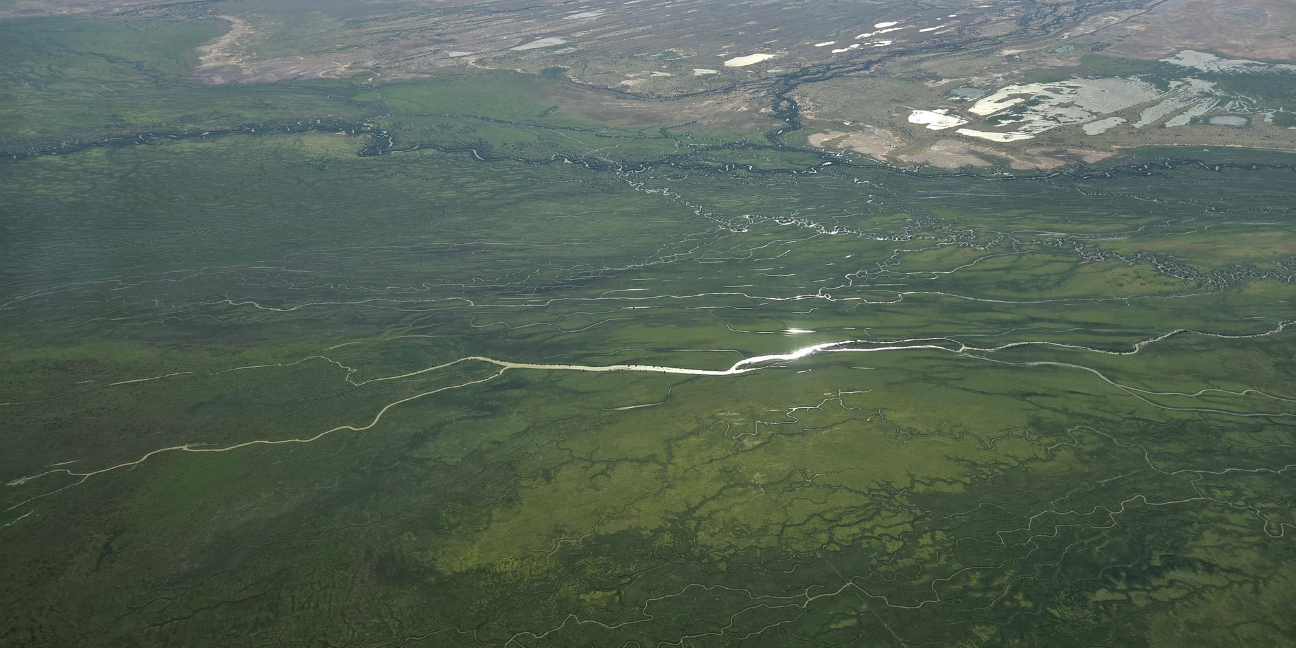
Image credit Lindie Pasma © Queensland Government![An aerial view of the Channel Country between Bedourie and Boulia after two big wet seasons — greener than it has been in years.]() The fire after the flood in Munga-Thirri National Park
The fire after the flood in Munga-Thirri National Park
Issued 15 July 2026
Green and lush views of Munga-Thirri National Park show how much heavy rain has transformed it in the last couple of years. But that abundance…
-
Issued 19 June 2026
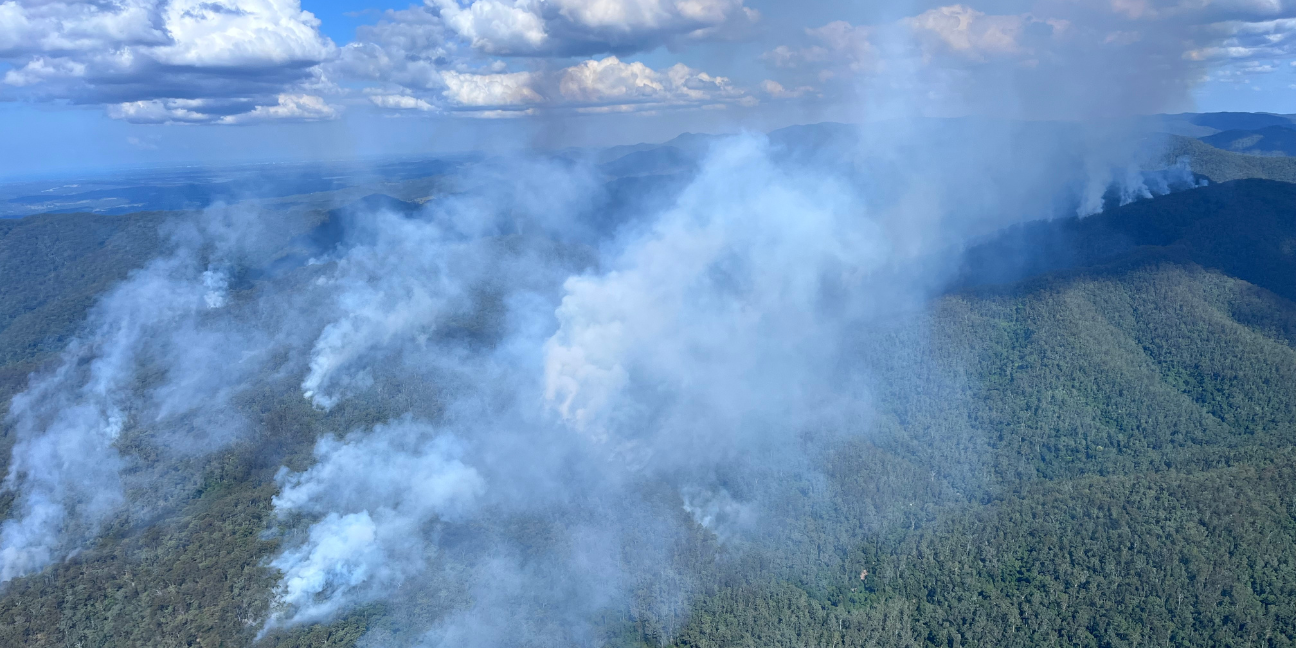
To implement planned burns effectively in diverse environments, QPWS uses aerial ignition to reach large or inaccessible areas at optimal times for burning.
-
Image credit Steve Browne © Queensland Government![]() 5 things you didn’t know you could do at David Fleay Wildlife Park
5 things you didn’t know you could do at David Fleay Wildlife Park
Issued 19 June 2026
Tucked away in the heart of Burleigh Heads, just 15 minutes from Gold Coast Airport, 25 minutes from Surfers Paradise, and a little over an…