The fire after the flood in Munga-Thirri National Park
- Issued
- 15 July 2026
- Region
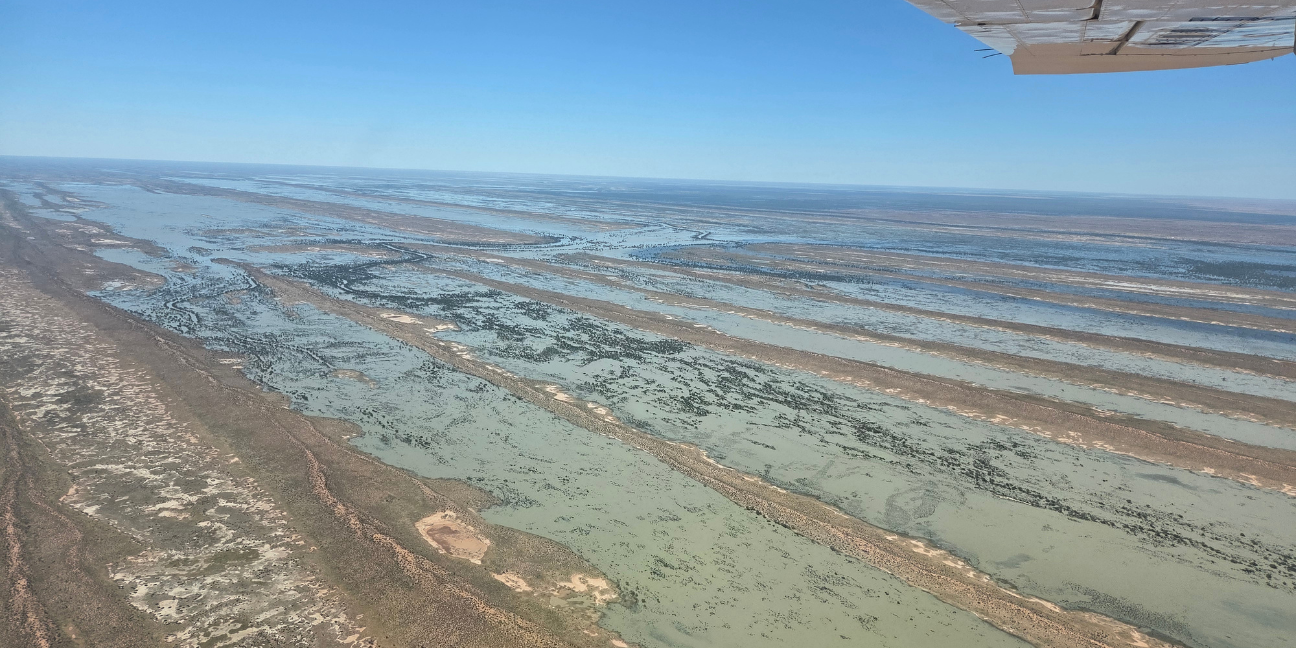
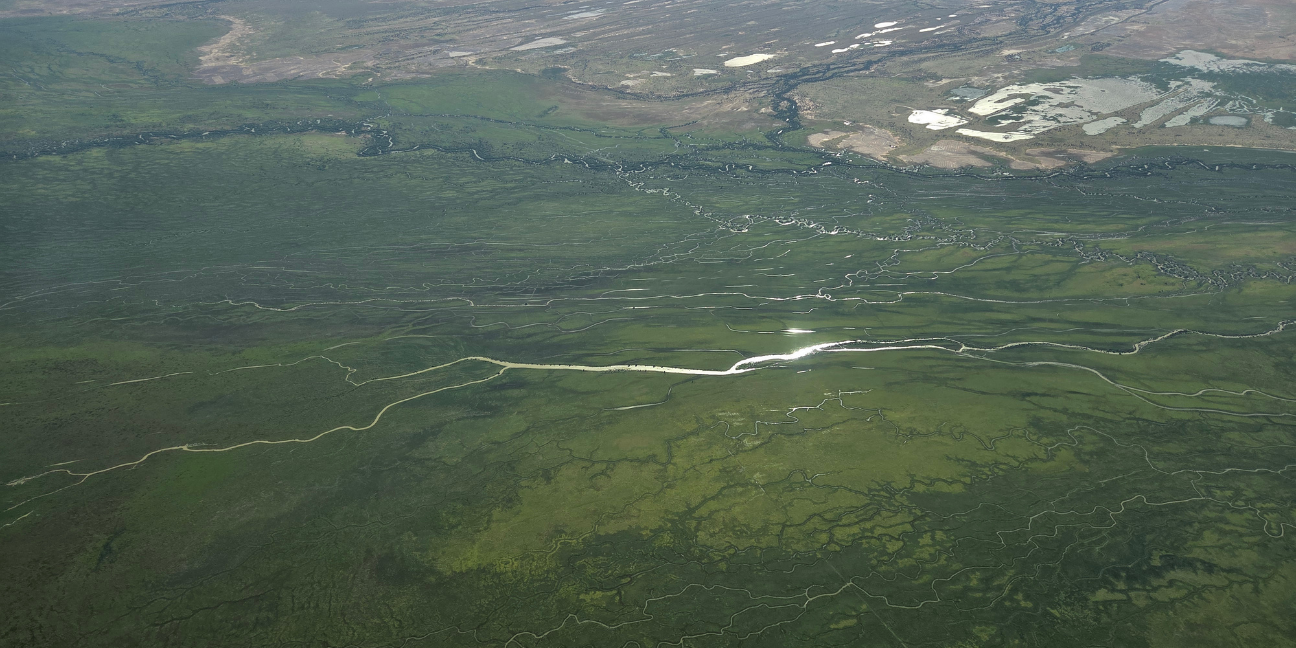
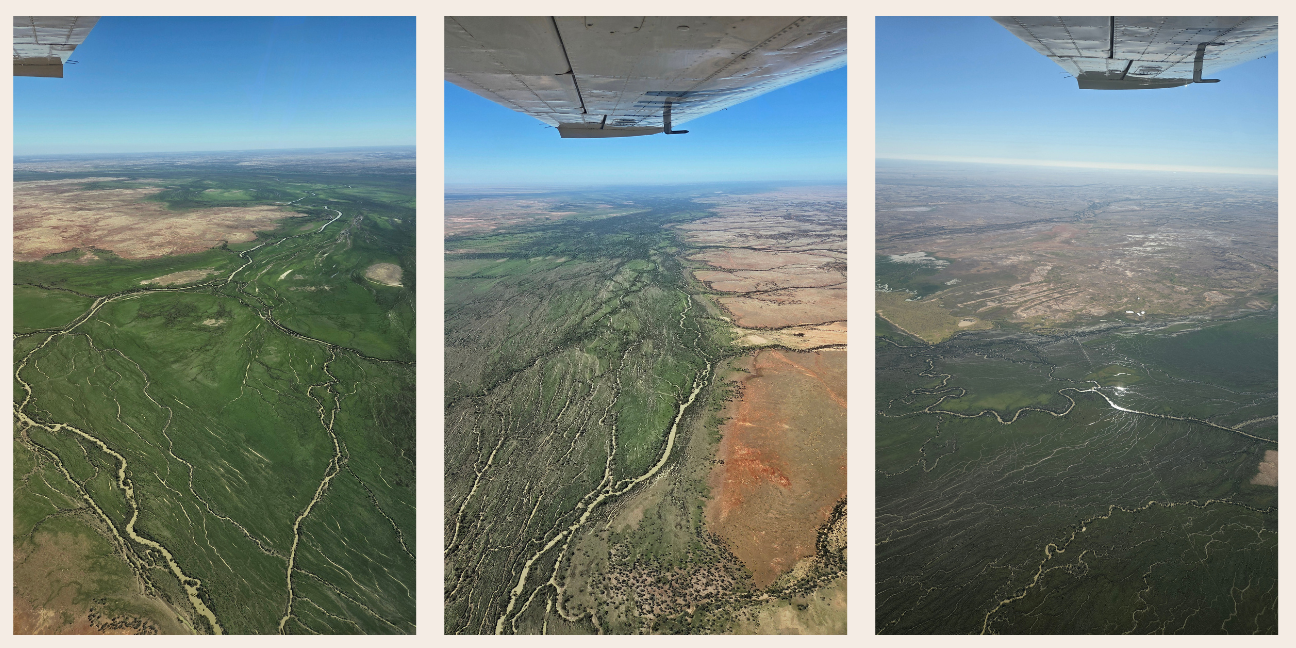
Munga-Thirri National Park has been transformed – two good years of rain have turned it green.
Water is still flowing through Eyre Creek and into Munga-Thirri National Park, pushing toward Kati-Thanda–Lake Eyre. Across the dunefields, spinifex has grown thick and tall, and the country is in the best condition it has been in for years.
 Open larger image
Photo credit: Lindie Pasma © Queensland Government
But that abundance brings risk and all that growth is fuel—and fuel loads matter, particularly in spinifex country.
The last major bushfire through Munga-Thirri was in 2011, and the natural fire cycle in this landscape runs at about 15 years between large fire events. With two consecutive strong growing seasons building fuel ahead of schedule, the risk of a larger, hotter and harder-to-manage unplanned fire is very real.
That’s why the Queensland Parks and Wildlife Service (QPWS) fire team is getting ahead of it.
 Open larger image
Photo credit: Lindie Pasma © Queensland Government
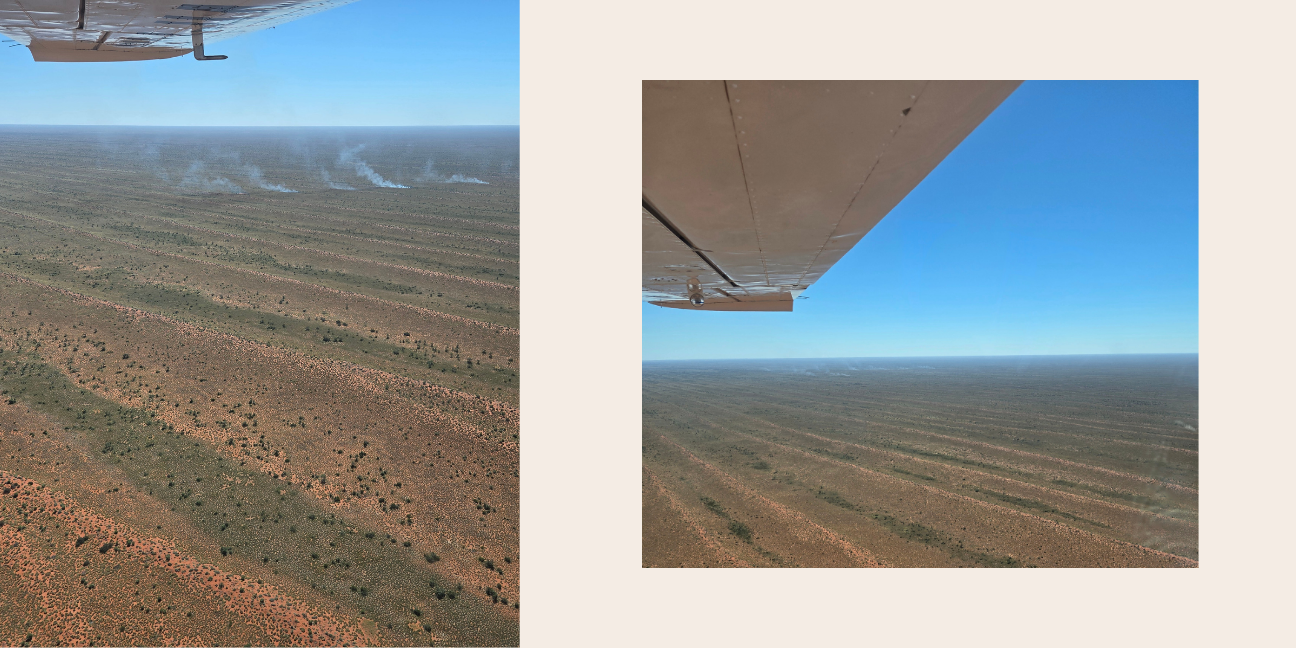
This year’s planned burning program—the first major burn focus in the park since the 2011 bush fire—is about introducing fire strategically, at the right scale and in the right places, before nature does it on its own terms.
The goal is to create a healthy mosaic across the landscape of spinifex at different stages of its life cycle — some recently burnt, some mid-growth and some old.
That patchwork is important. The reptiles and birds that live in the dunes rely on different-aged spinifex for different things—nesting, shelter and foraging. A landscape locked into one age, whether all young or all old, supports far less life than a varied one.
The work is technically demanding. Spinifex is highly volatile, but because it grows in clumps with bare ground between, fire will only carry when conditions are just right.
‘Strong wind can be our friend. Without it, planned burns in this country simply will not run.’
— Principal Ranger for Central West, Billy
 Open larger image
Photo credit: Lindie Pasma © Queensland Government
Reading the conditions, timing the window of opportunity, and getting crews and equipment into some of the most remote parkland in Queensland takes serious planning and a team that knows the country inside out.
That team effort and knowledge extends beyond QPWS. The Munga-Thirri crew has drawn on the knowledge of neighbouring Bush Heritage Australia, the experience of the QPWS Central West fire team, and discussions with the Mulligan River Aboriginal Corporation for planned burning on Wangkamahdla Country.
Traditional Owner involvement is central to this work—it shapes where, when and how burns happen, ensuring the work aligns with cultural values for Country while delivering ecological outcomes.
The fire team plans to return soon, conditions permitting, to continue building the park’s fire management strategy.
 Open larger image
Photo credit: Lindie Pasma © Queensland Government
It is patient, careful work: reducing the risk of catastrophic wildfire, supporting cultural values, and strengthening the health of one of Australia’s most remarkable and remote landscapes.
And right now, the desert is at its absolute best. With water, green growth and wildlife responding to the abundance, Munga-Thirri is as generous as it ever gets.
For visitors who make the journey over the next year or three, this special place will reward the effort.
To research and plan for a trip, visit parks.qld.gov.au/parks/munga-thirri
Related articles
-
Image credit © Digby Henderson![Keeland Islands and Northumberland Islands National Park]() Queensland's best-loved national parks and their doppelgangers
Queensland's best-loved national parks and their doppelgangers
Issued 20 June 2025
If you’re seeking to immerse yourself in nature with fewer people around, these breathtaking alternatives to popular parks are perfect for your next getaway.
-
Image credit © Queensland Government![A male Ranger wearing a compliance vest and hat is standing in front of bushland]() Behind the badge: how one Senior Ranger protects parks and forests in the State’s southwest
Behind the badge: how one Senior Ranger protects parks and forests in the State’s southwest
Issued 11 April 2025
Working as a compliance Ranger in Queensland's south west, Senior Ranger Luke has seen some things. From excuses to get out of $7.25 camping fees…
-
Image credit © John Augusteyn![Looking down into a gorge with orange coloured cliffs.]() Rangers versus rubber vine
Rangers versus rubber vine
Issued 13 December 2024
Rangers at Porcupine Gorge National Park have waged war against invasive rubber vine, and they’re winning!


