Visiting Cape Pallarenda safely
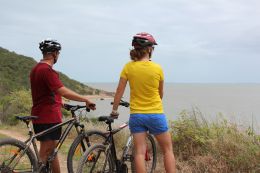
Cycle around the headland to the beginning of Under the Radar trail.
Photo credit: Fiona O'Grady © Queensland Government
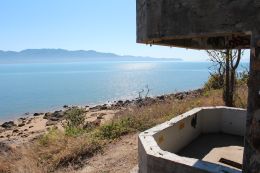
Shelly Cove searchlight station.
Photo credit: Fiona O'Grady © Queensland Government
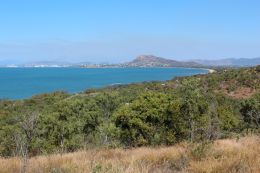
View to Castle Hill.
Photo credit: Fiona O'Grady © Queensland Government
Getting there and getting around
Cape Pallarenda Conservation Park is located at the end of Cape Pallarenda Road, 10km north of the Townsville city centre, access is suitable for 2WD vehicles.
Before you visit, remember to check:
- Queensland Traffic and City of Townsville to find out about road conditions to the conservation park.
- The Bureau of Meteorology for weather reports and forecasts.
- Queensland Fire Department for current bushfire warnings and incidents.
- Park alerts for the latest information on parks and forests access, closures and conditions.
Wheelchair accessibility
The information displays at the Cape Pallarenda day-use area are wheelchair-accessible (assistance maybe required).
Staying safe
- Watch your step. Historic fortifications are scattered around the Cape Pallarenda headland. Be mindful of the uneven ground around the forts, be alert for sharp, rusting metal and other trip hazards. Do not climb the walls or walk on the roof of these structures. Heed all warning signage.
- Be alert for mountain bike riders approaching from either direction on the shared trails and show care and consideration for other trail users.
- Take adequate drinking water, wear sturdy footwear, protect yourself from the sun and wear insect to repel mosquitoes and sandflies.
- Plan ahead. Let a responsible person know your itinerary and emergency plan if things go wrong.
- Pack a first aid kit and communication equipment. Mobile phone coverage is unreliable in sections of the conservation park. Consider taking a satellite phone or personal locator beacon (PLB).
- Watch out for wildlife. Be alert for animals that can bite, scratch or sting. Snakes are common–wait for them to pass or detour around them.
- Dangerous stinging jellyfish (‘stingers’) may be present in the coastal waters at any time and occur more frequently in the warmer months. For the latest safety and first-aid information visit Surf Safety on the Surf Life Saving Association Beachsafe website.
- Be Crocwise. Estuarine crocodiles live in the waterways of Cape Pallarenda Conservation Park and the surrounding coastal waters. Learn how to Be Crocwise and keep yourself, your family and friends safe in and around the water.
- Severe weather and cyclones are common along the Queensland tropical coastline. Check weather forecasts before you visit. Never go walking or riding during or after severe weather or a cyclone.
- Read and heed all safety and warning signs.
Ride responsibly
- Wear appropriate safety gear and be realistic about your cycling ability.
- Alert other trail users when approaching, slow down or stop to allow them to pass safely.
- Do not ride in large groups—keep your group size to fewer than 12 people.
- Avoid skidding and sliding around turns—this damages the trail and you may collide with other trail users.
- Take care on loose and uneven surfaces, as trail conditions are subject to change. Washouts may occur after heavy rain and trails may be covered by long grass.
For more information, please read the guidelines on safety in parks and forests.
In an emergency
For all emergencies call Triple Zero (000).
We recommend you visit the Triple Zero website before visiting the conservation park. You can also download the free emergency+ app before you leave home, the GPS functionality can provide critical location details to emergency services. Important: if there is no mobile coverage on any network, you will not be able to reach the Emergency Call Service via a mobile phone.
Before you visit
Essentials to bring
Preparation is the key to a safe and enjoyable visit. Remember to bring:
- enough drinking water for your visit
- rubbish bags, as there are no bins
- appropriate clothing, sunscreen, hat and sunglasses to protect yourself from the sun
- insect repellent to repel mosquitoes and sandflies
- reliable communication equipment.
Opening hours
The Cape Pallarenda Conservation Park entry gate is open from 6.30am to 6.30pm daily. The conservation park may be closed at times due to severe weather or management operations. Check park alerts for the latest information on parks and forests access, closures and conditions.
Permits and fees
Various activities in Cape Pallarenda Conservation Park require a permit. Activities include commercial tours, social events (for example weddings or birthday parties), organised group visits, school excursions, scientific research, professional photography and the sale of photographs or vision of the conservation park. Visit permits and fees for further information.
Pets
Dogs and other domestic animals are not permitted in the conservation park.
Climate and weather
The Townsville region has a dry tropical climate, with distinct wet and dry seasons. During the wetter months, from December to April, there is significant rainfall and the average daily temperature range is 24 to 32°C, with high humidity. The cooler, drier months of May to September are the best time to visit. The weather is pleasantly warm during this time, with reduced humidity and an average daily temperature range of 13 to 25°C.
Weather forecasts are available from the Bureau of Meteorology.
Fuel and supplies
Fuel and supplies are available in Townsville.
- There are currently no park alerts for this park.