- Issued
- 28 February 2025
- Region
A strong future for the Wulgurukaba on Yunbenun
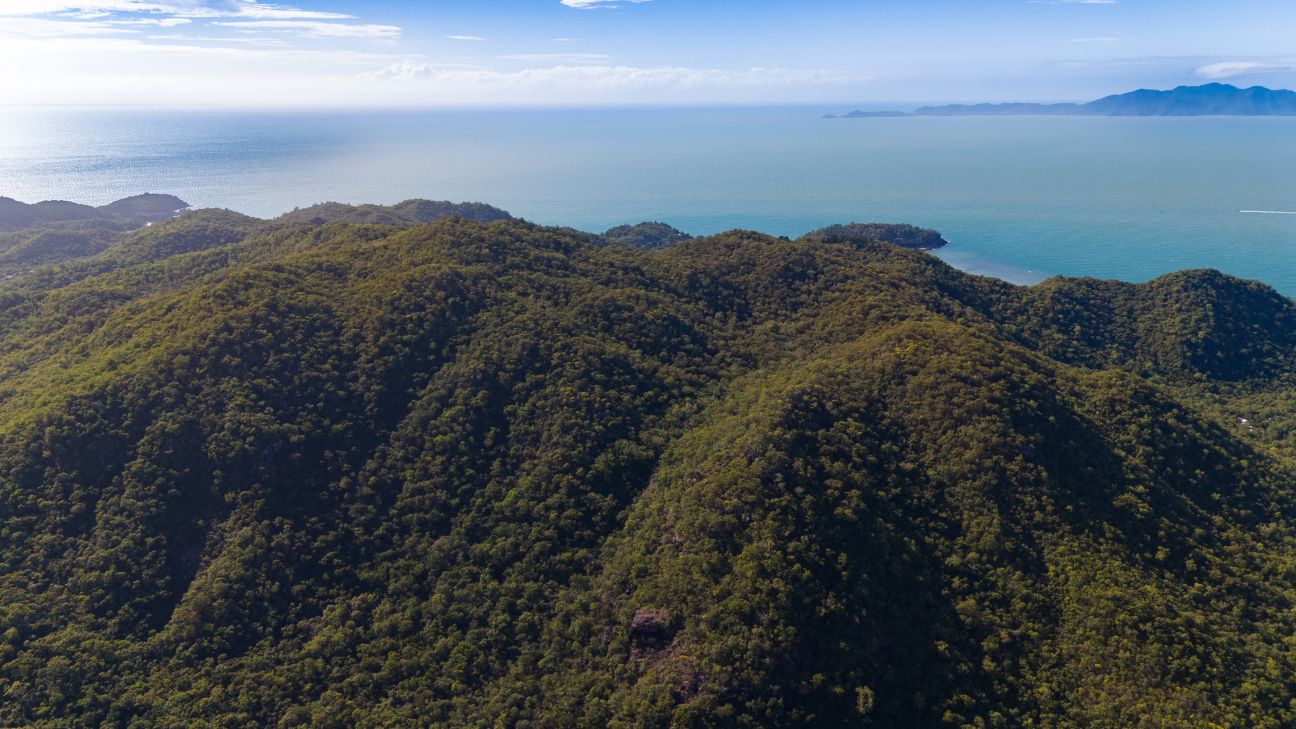
Wulgurukaba people have a deeply spiritual relationship with their Country. Yunbenun is a place to contemplate the expanse of Wulgurukaba Country—its islands, sea and mainland. A place to appreciate bountiful oceans and bushlands. A place to connect with living culture and stories handed down over generations.
We feel a sense of belonging, especially when we go to Yunbenun. This is where we need to be.
Iris Glenbar, Wulgurukaba Elder
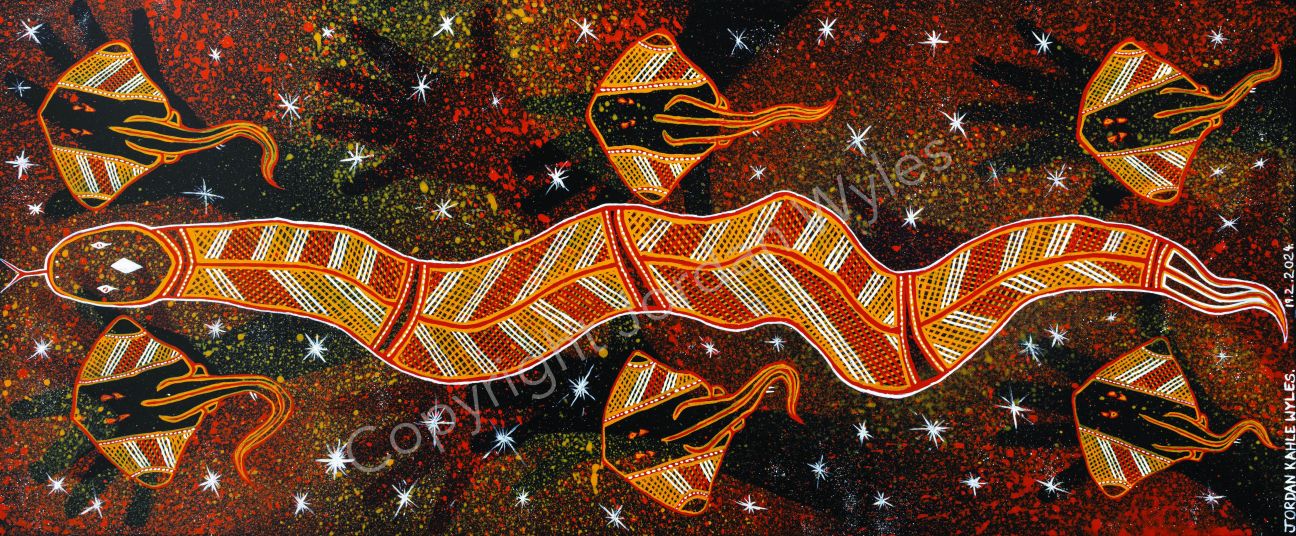
Gabul Creation and Gulaygan
Photo credit: Artist © Jordan Wyles
Country is more than the Land and Sea
While Country is associated with place, its significance transcends the physical realm. Country encompasses all living things, but also related beliefs, values, stories, spirits and cultural obligations.
Country means coming home. Country is my identity as a Wulgurukaba woman and knowing that my great-great-grandmother is from this Country.
Gail Ambrym, Wulgurukaba Elder
Wulgurukaba people belong to Country, drawing health and healing from it. The relationship between Country and Wulgurukaba people is grounded in reciprocity. Living in balance with Country is vital.
We don’t own the Land—the Land owns us. It’s a spiritual connection. What we do, we have to answer back to the Land and Sea.
Brian Johnson, Wulgurukaba Elder
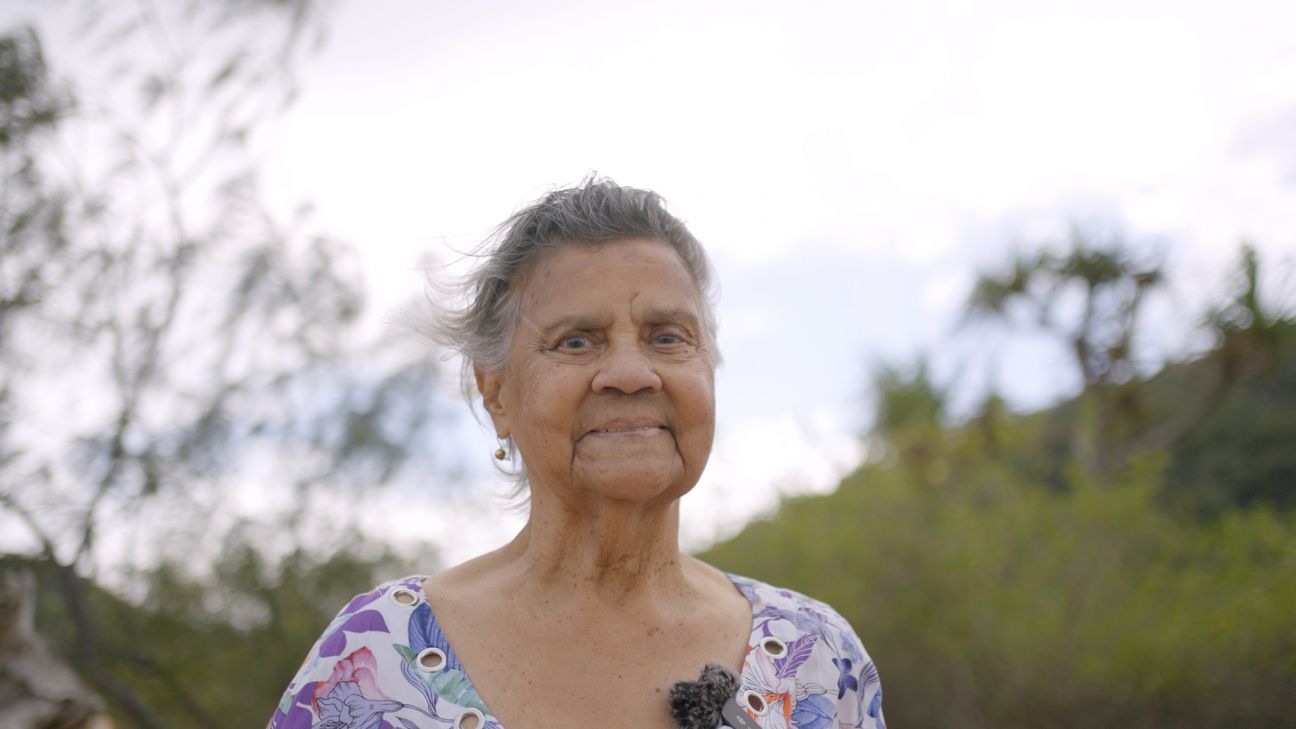
Iris Glenbar, Wulgurukaba Elder.
Photo credit: Styledia © Queensland Government
“We actually drove up to Townsville with nieces in the car, and as we were coming on Country, there were three brolgas in the middle of the road and they opened their wings. They were welcoming us back to Country, just as we were on the boundary of coming into Country. I tell my children and grandchildren this story and they are very interested. They want to come back and go over to Yunbenun.”
Iris Glenbar, Wulgurukaba Elder
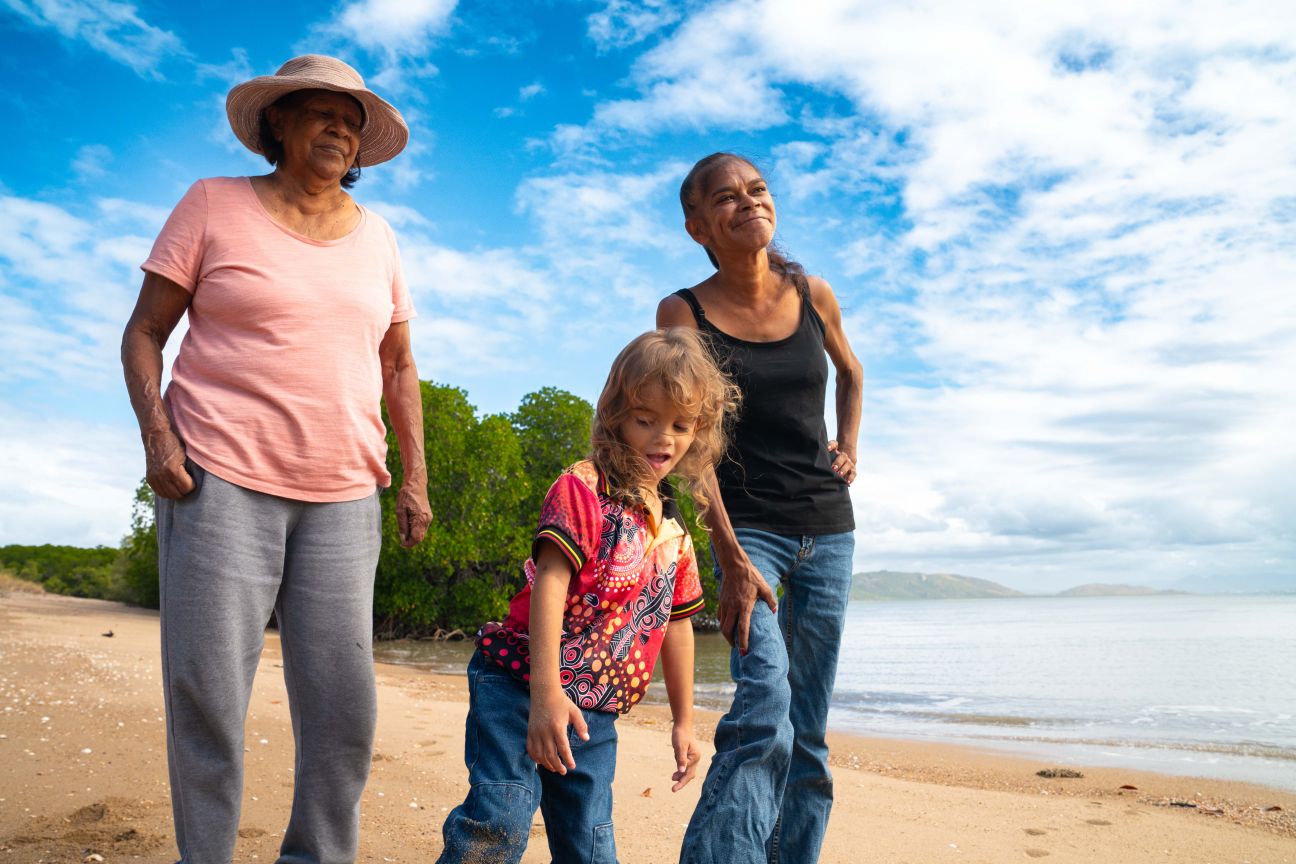
Elders keep culture alive by sharing stories and knowledge with younger generations.
Photo credit: Styledia © Queensland Government
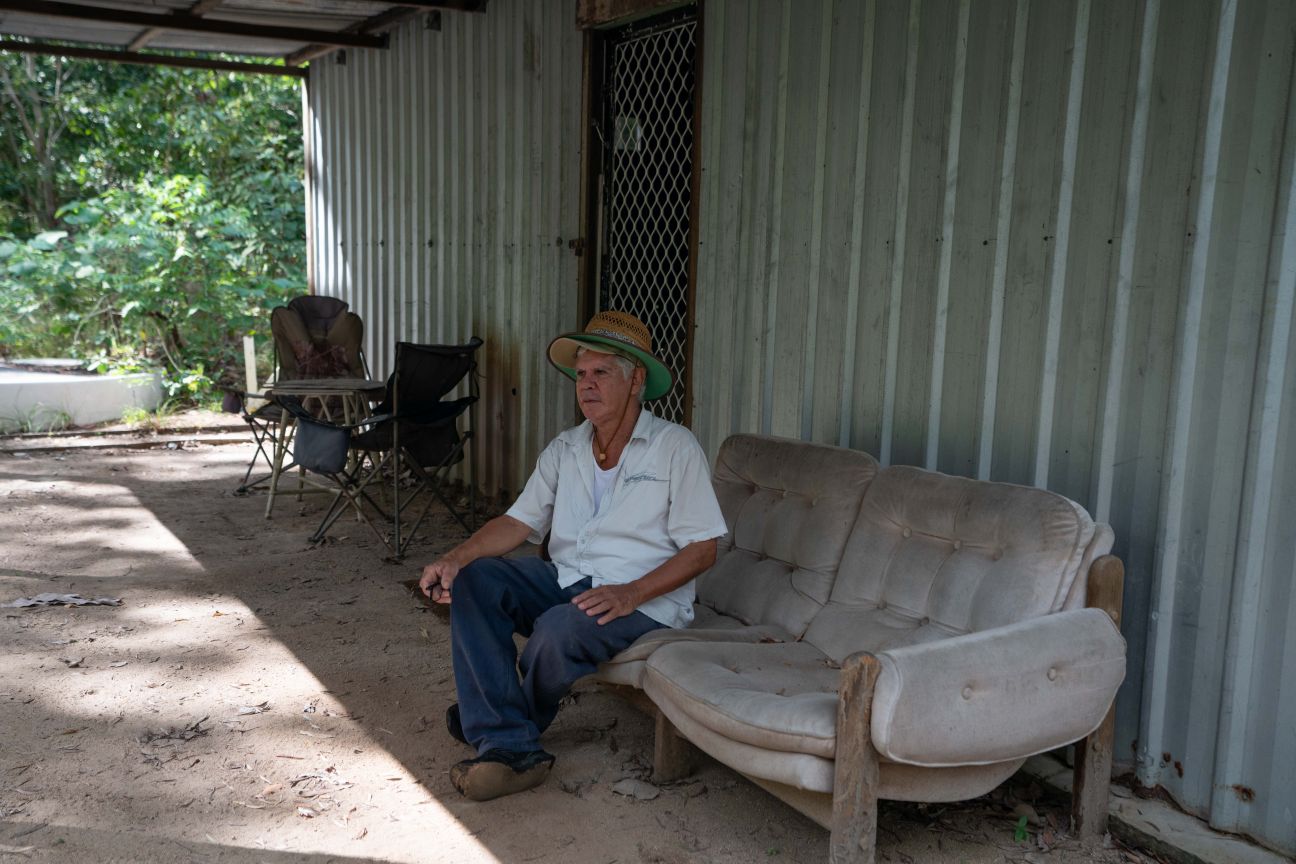
Lyle Johnson, Wulgurukaba Elder
Photo credit: Styledia © Queensland Government
Culture is still alive. That’s very important. It’s not back in the past, it’s a living thing. We want younger ones to have pride in that and strengthen their identity.
We have been connecting to Country since we returned to the Island years ago. The spirits of our ancestors have always been here. We have secured the return of some of our lands, we are recording and protecting our culture, we are rehabilitating our Country, we are engaging our people to do this, in partnership with our valued partners.
Lyle Johnson, Wulgurukaba Elder
Wulgurukaba Walkabouts smoking ceremony
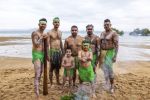
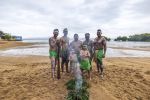


 The Wulgurukaba Walkabout Dancers
- 02:12
Wulgurukaba Walkabouts is a group of traditional Aboriginal dancers based on Wulgurukaba Country, in Gurambilbarra and Yunbenun. Narrated by Hayden Saltne.
Keeping culture alive is essentially never forgetting who you are. Knowing who you are and where you’ve come from. Don’t shy away or be ashamed. Claim ‘These are my people, and there are things I can do to stay connected by working on Country’
Hayden Saltner, Wulgurukaba man
Young custodians taking the lead
Young people are the custodians of Wulgurukaba culture. Culture is expressed and shared through language, storytelling, dance, ceremony, music and art. It is an integral part of kinship and history.
I get to hear a lot of stories and cultural information because I do have strong Elders. Having opportunities where I can sit down and just listen to what a particular mum says or other family members talk about is a real honour. At some point, mum will move aside, and me, being the eldest daughter, will step up to be the one to share those stories with our younger generations so that they never get lost.
Michelle Watson, Wulgurukaba woman
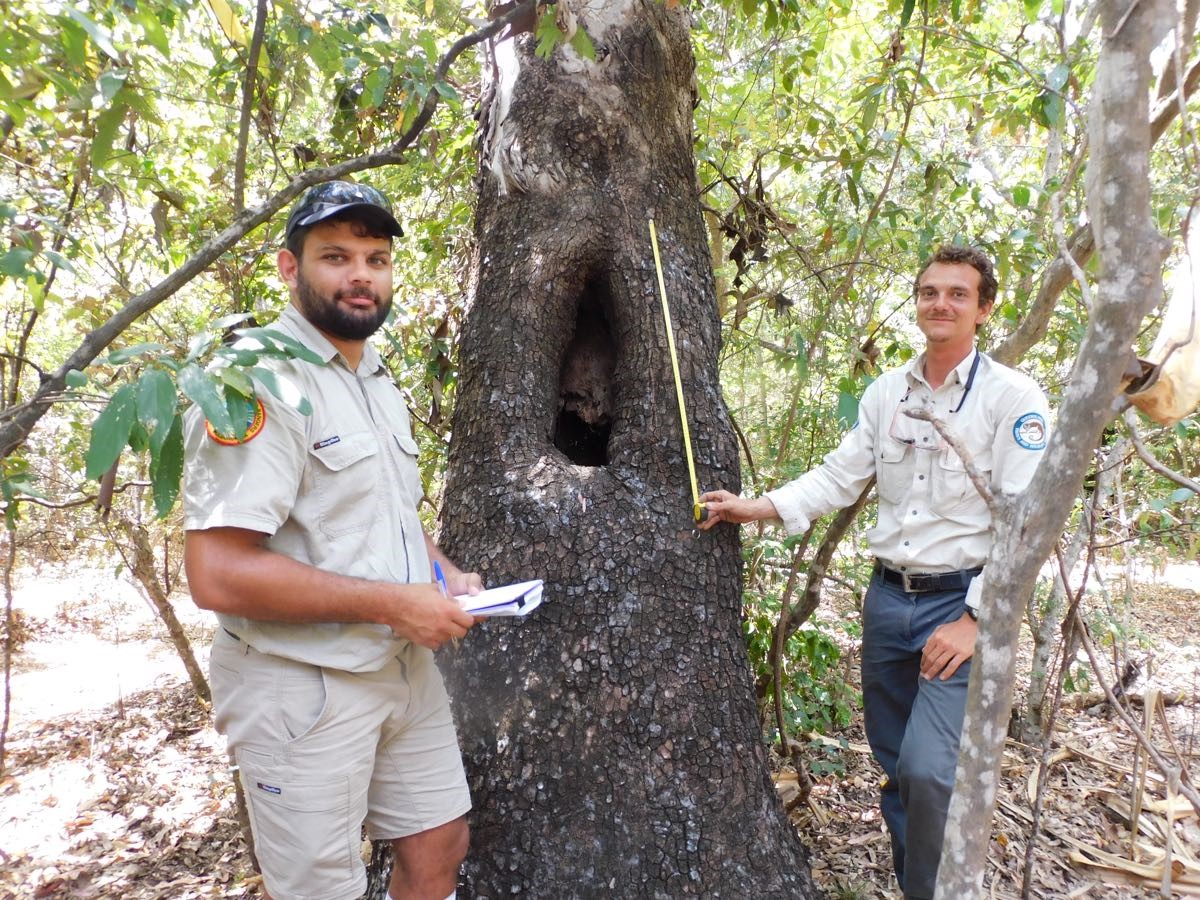
Hayden Saltner (pictured left) and Shannon Duncan (pictured right), Wulgurukaba Rangers.
Photo credit: Styledia © Queensland Government
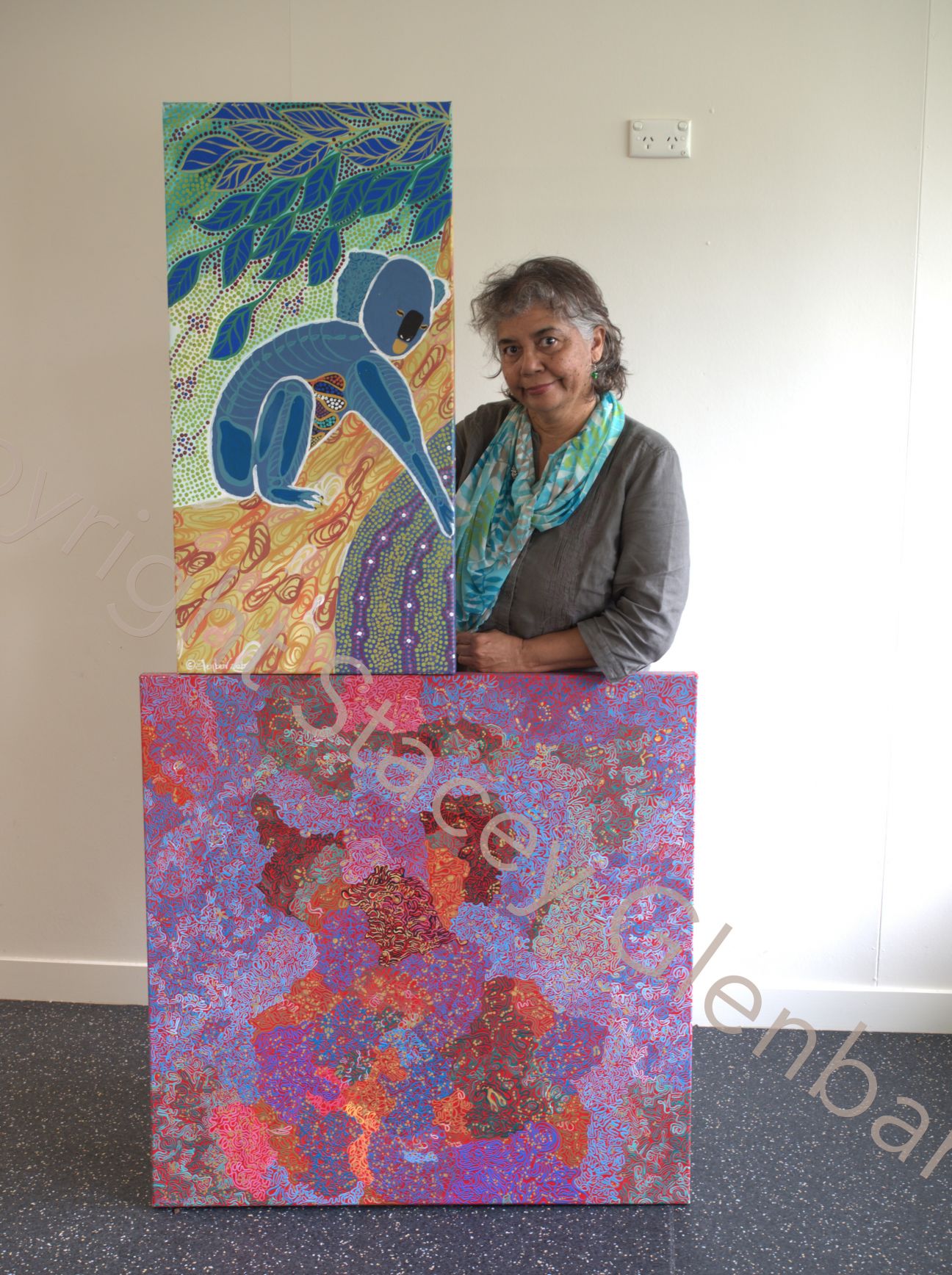
Artist Stacey Glenbar with her artworks 'Sleeping koala' and "Coral Spawning'
Photo credit: Artist © Stacey Glenbar Photo © Ronhan Wilson
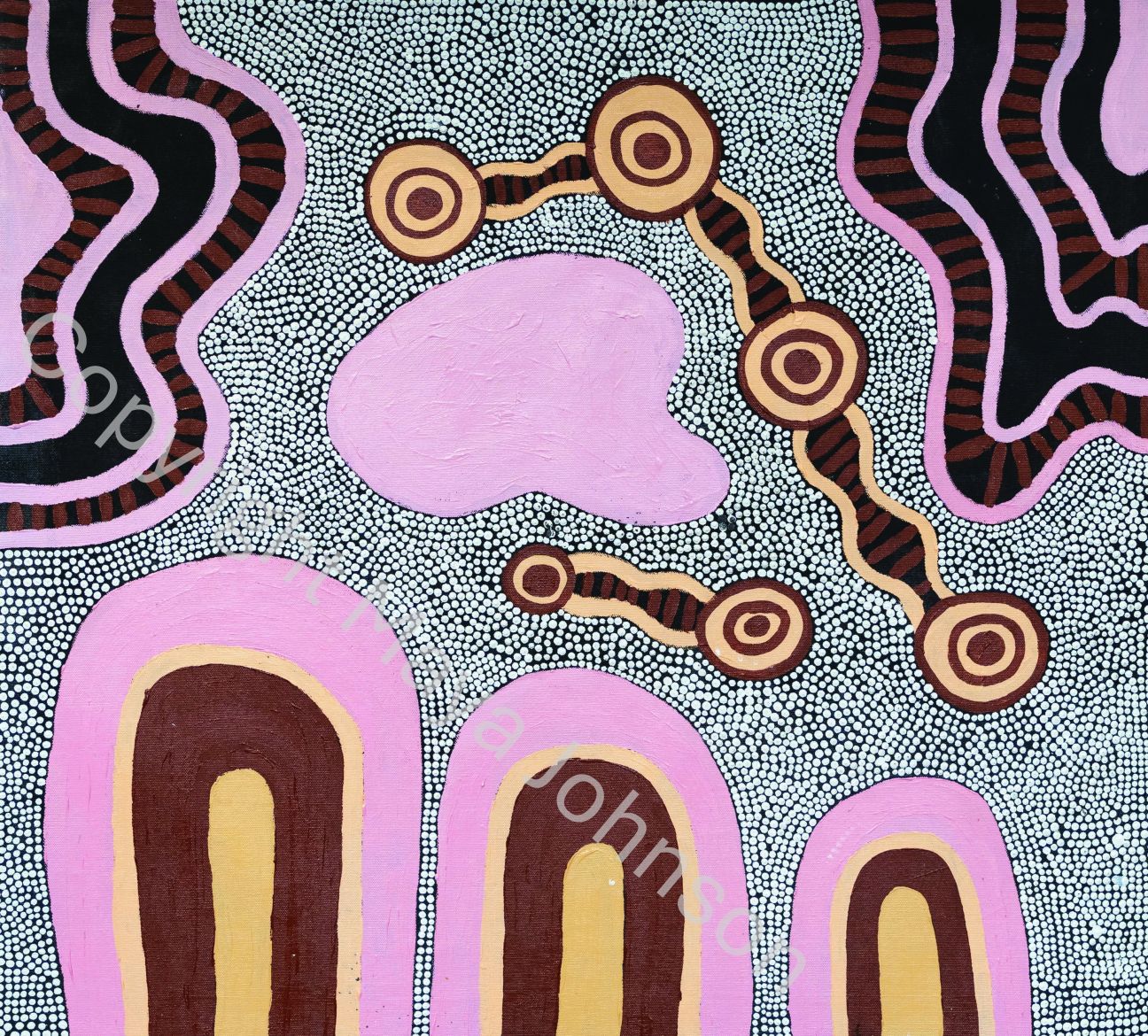
Manurra (Womens) Dreaming' by Maya Johnson
Photo credit: Artist © Maya Johnson 2023 Photo © Dylan Buckee
Culture helps young Wulgurukaba people forge an identity and feel a sense of belonging. And as they learn from their Elders, these young people are guided to become leaders of the future.
I think it’s important for us to keep our children going with connection and let them know where we belong and where we come from. Young people need to keep researching and following up on the stories.”
Michelle Hegarty, Wulgurukaba Elder
Speaking and sharing language
Language helps identify Wulgurukaba people to their Country. Embedded within language are the stories, knowledge and relationships that define a particular place and its people. Protecting language is essential to protecting culture. Some Elders have dedicated extraordinary amounts of time to preserving language. They expand on the current knowledge of language through painstaking research and interviews with fellow language custodians. Through this work, they document words, confirm pronunciation and define usage to ensure language can be spoken in the future.
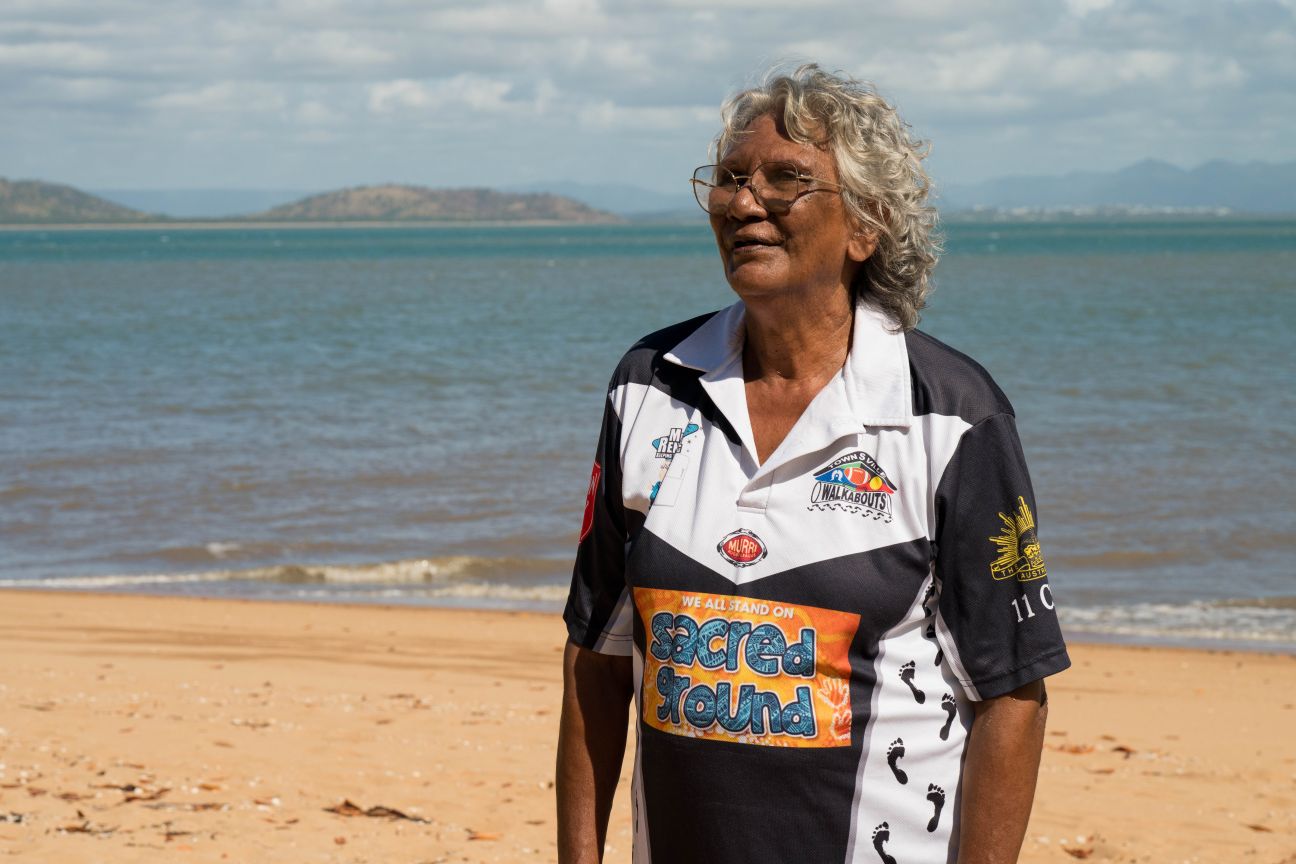
Virginia Wyles, Wulgurukaba Elder
Photo credit: Styledia © Queensland Government
Language is our identity. It’s very much of our being and also our Country around us.”
Virginia Wyles, Wulgurukaba Elder
Bringing culture and conservation together
Many Wulgurukaba people play an active role in caring for Yunbenun’s protected areas. Some proudly work as Rangers, safeguarding the island’s precious natural and cultural heritage.
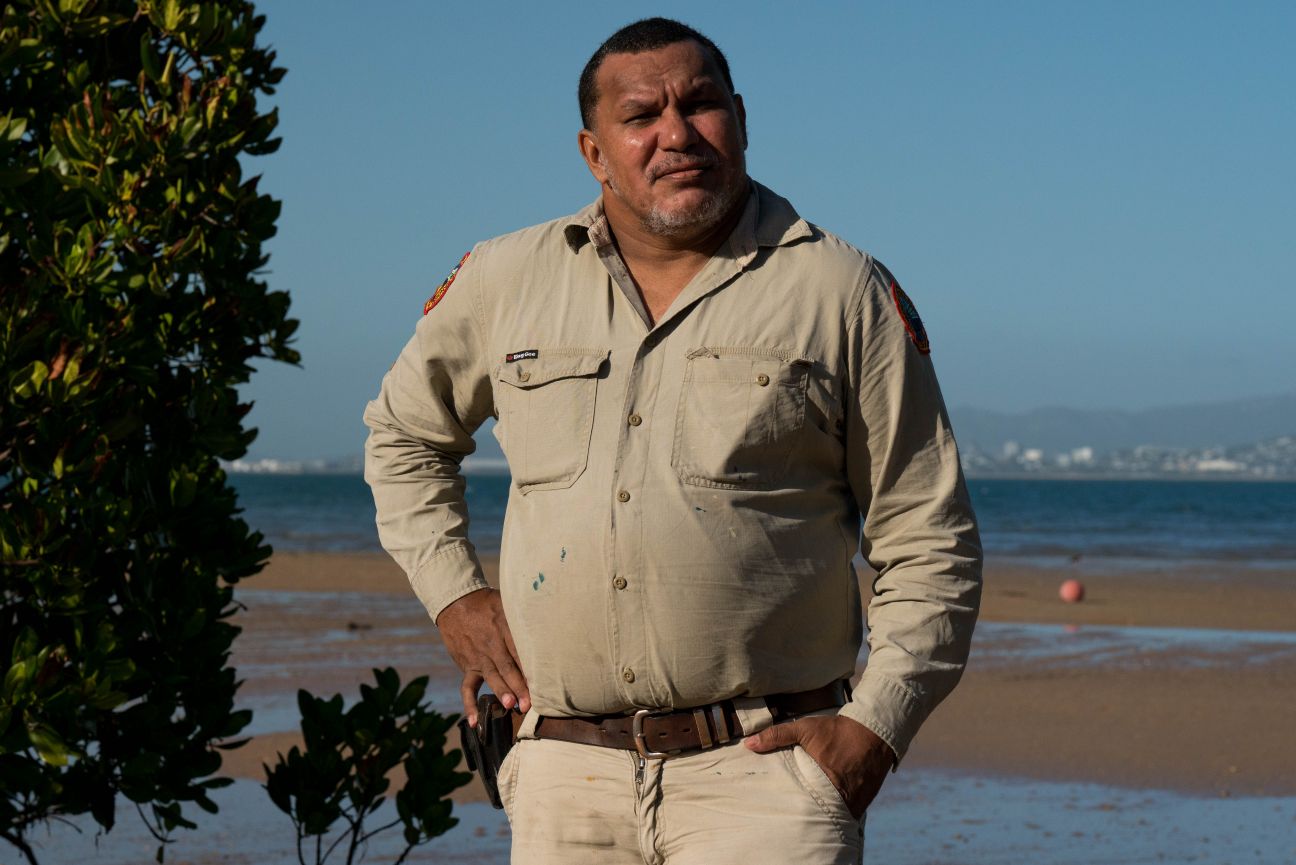
Kenneth Newman, Wulgurukaba man and Ranger.
Photo credit: Styledia © Queensland Government
It’s very special to work on Country. The connection and the option to go and seek out our cultural sites is one of the high, special moments.”
Kenneth Newman, Wulgurukaba man and Ranger
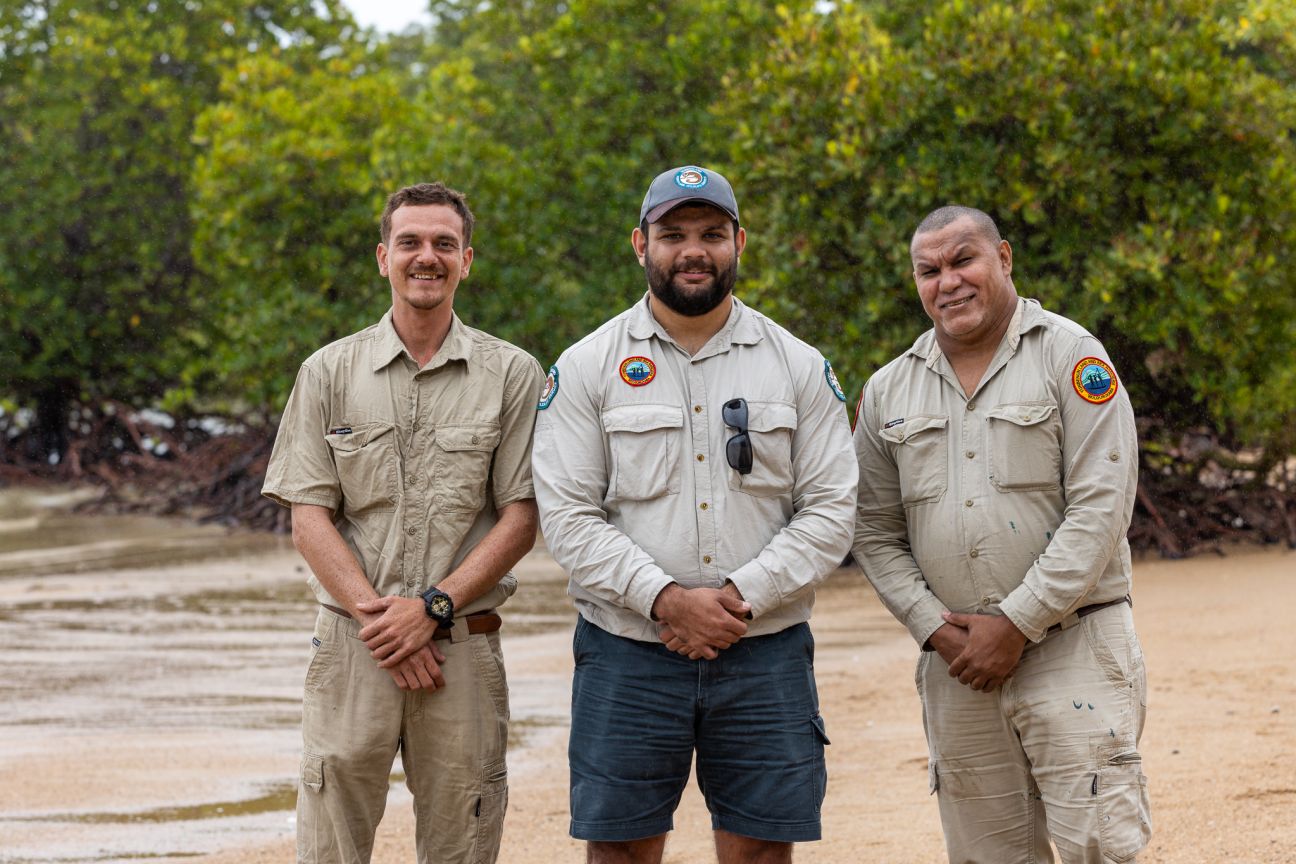
Shannon Duncan (pictured left), Hayden Saltner (pictured middle) and Kenneth Newman (pictured right), Wulgurukaba men and Rangers.
Photo credit: Styledia © Queensland Government
It gives us a sense of responsibility, as rangers. We want to keep these positions, this job, this group. So that we’re still going in ten years and we’re giving opportunities to young Traditional Owners that want to work in this job.”
Hayden Saltner, Wulgurukaba man and Ranger
As Rangers, they can combine their traditional ecological knowledge and cultural perspectives to enhance protected area management. This brings a unique and dynamic perspective to fire management, feral animal and pest plant control, vegetation and wildlife monitoring and cultural heritage site protection.
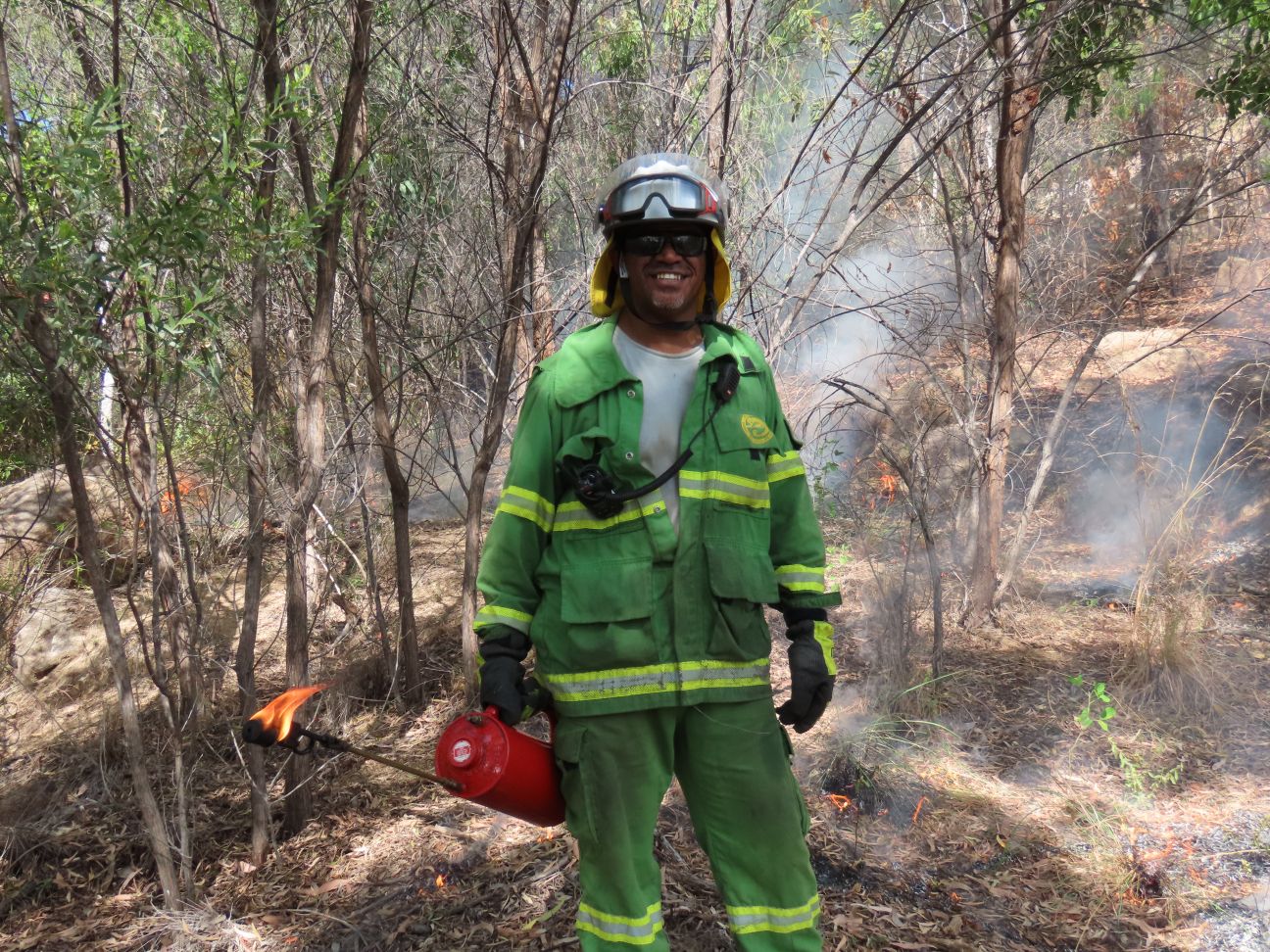
Wulgurukaba Ranger Troy Johnson working with QPWS on annual planning burns on Yunbenun.
Photo credit: © Queensland Government
Wulgurukaba Rangers feel a great sense of pride in their work. By embracing responsibility for Country, they claim the knowledge taught by Elders and pave the way for future generations.
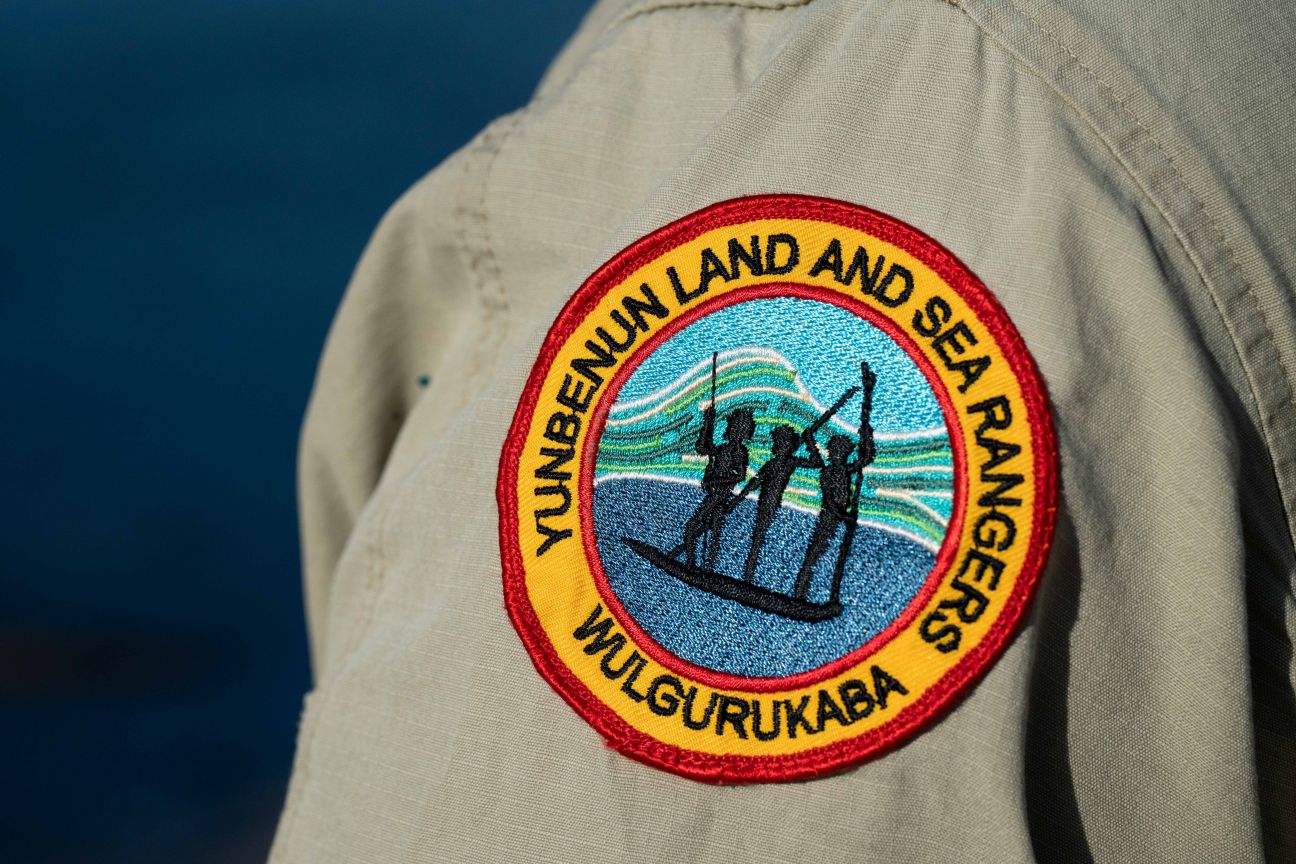
Wulgurukaba Rangers collaborated to design a badge honouring their heritage as ‘canoe people’.
Photo credit: Styledia © Queensland Government
It’s a very big statement in itself. It’s the right step that we’ve got to take. And not just that, seeing it in general just means a lot. What we’ve all collaborated with everyone. That final product was unbelievable—warming. It’s a lifetime memory.
Shannon Duncan, Wulgurukaba man and Ranger
Information on this web page embodies the cultural knowledge of the Wulgurukaba People, included with the consent of the custodians of this community.
Artwork acknowledgements
‘Gabul Creation and Gulaygan' © Artist, Jordon Wyles 2024
Gabul was a giant carpet python who carved the landscape on its journey. The Gabul story connects Yunbenun to Wulgurukaba Country on the mainland and to other Aboriginal groups and Country to the north.
'Sleeping koala' © Artist, Stacey Glenbar
Koalas have a special place on Magnetic Island they are survivors. There they weren't doing so well on the mainland they are thriving amongst the abundnace of trees and having a safe haven. The island has provided a home for the koalas and will continue to do so for the future.
‘Coral Spawning’ © Artist, Stacey Glenbar 2023
At certain times of the year coral spawning occurs at night lasting a few days to a week. This follows a full moon and with the water temperature this stimulates the eggs and sperm bundles. Spawning is also affected by the length of the day, tide and salinity levels in the ocean.
"This artwork acknowledges and pays respect to the Wulgurukaba peiole of Yunbenun."
Stacey Glenbar, Wulgurukaba artist
‘Maburra Dreaming’ © Artist, Maya Johnson 2023
For centuries, Wulgurukaba women have danced upon the shores and mountains of Yunbenun and Gurambilbarra, navigating through Wulgurukaba seasons with their families. A sacred journey, through time and tide. In the embrace of our ancestral lands, Yunbenun and Gurambilbarra, we cradle our spiritual and cultural connection as old as the sea breeze and ocean currents.
“I would like to acknowledge all Wulgurukaba Ancestors and Elders, who have passed down our cultural knowledge in art, culture, language and belonging. This artwork is dedicated to my grandparents, Arthur (Gungu) and Olive Johnson.”
Maya Johnson, Wulgurukaba artist
Related stories
-
The Wulgurukaba people were forced to leave their Country and kin, being moved to missions and reserves across Queensland.
-
The Wulgurukaba people’s long journey for recognition and protection of their Country.
-
Wulgurukaba ethnobotanic and cultural understanding of flora and fauna of Yunbenun.