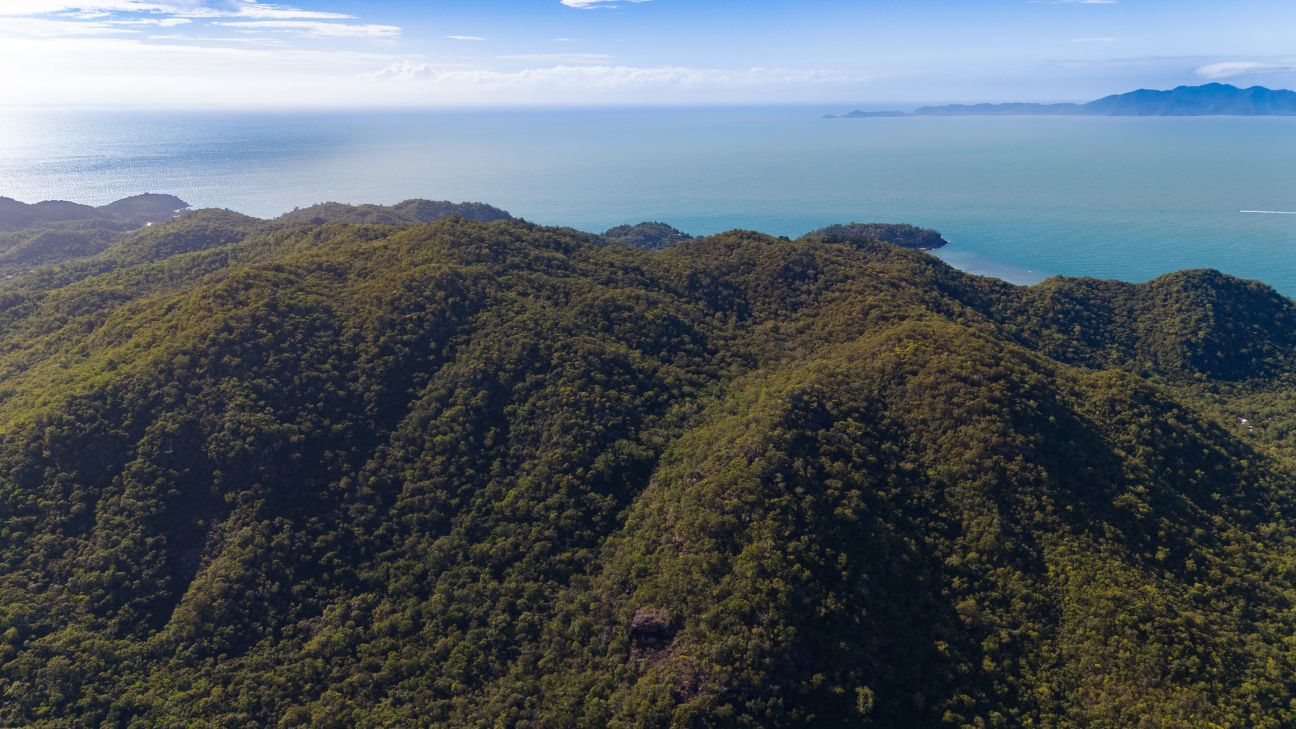
- Issued
- 28 February 2025
- Region
Formal recognition of the Wulgurukaba has taken persistent effort
Formal recognition as the Traditional Owners of Yunbenun (Magnetic Island) is a vital step for the Wulgurukaba people. Recognition ensures Wulgurukaba people have the opportunity to speak for Country and advocate for Yunbenun’s care and protection.
Gaining this recognition is a long journey marked by key events and achievements. For over 30 years, the efforts of Wulgurukaba Elders and community have been tireless and unyielding. And they continue today.
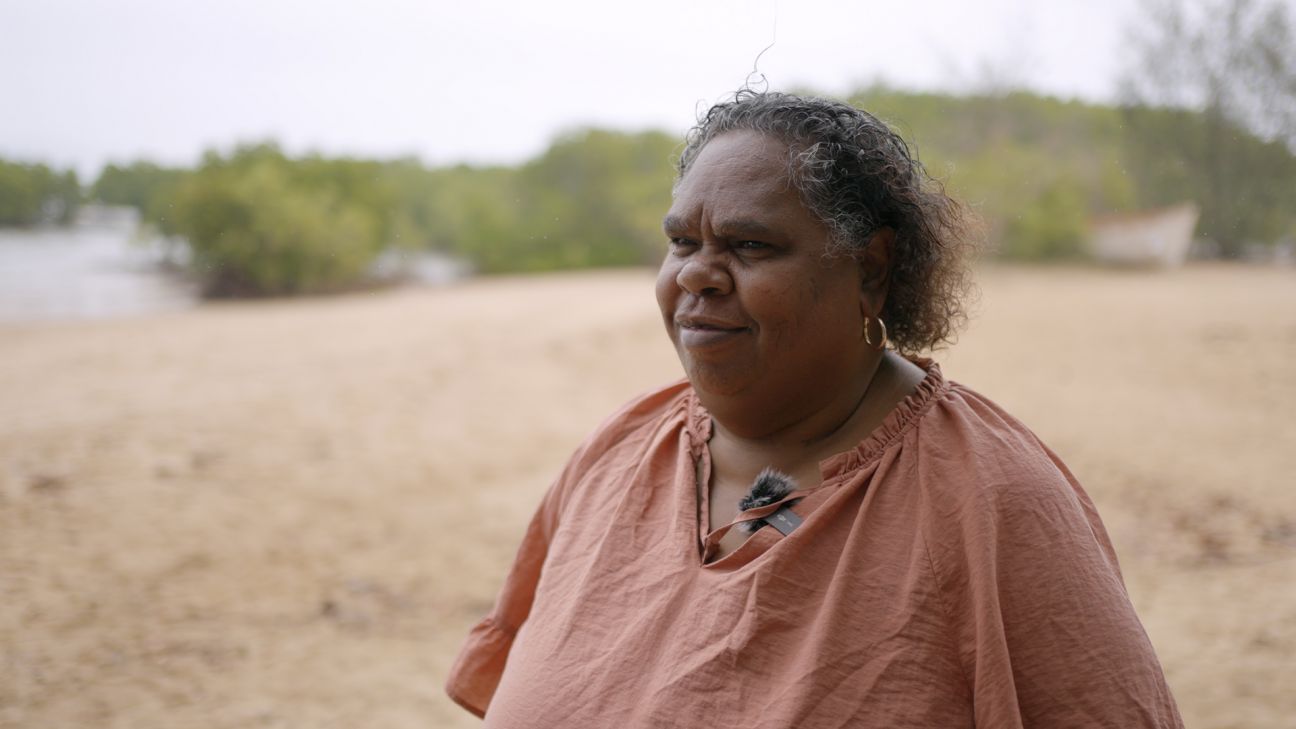
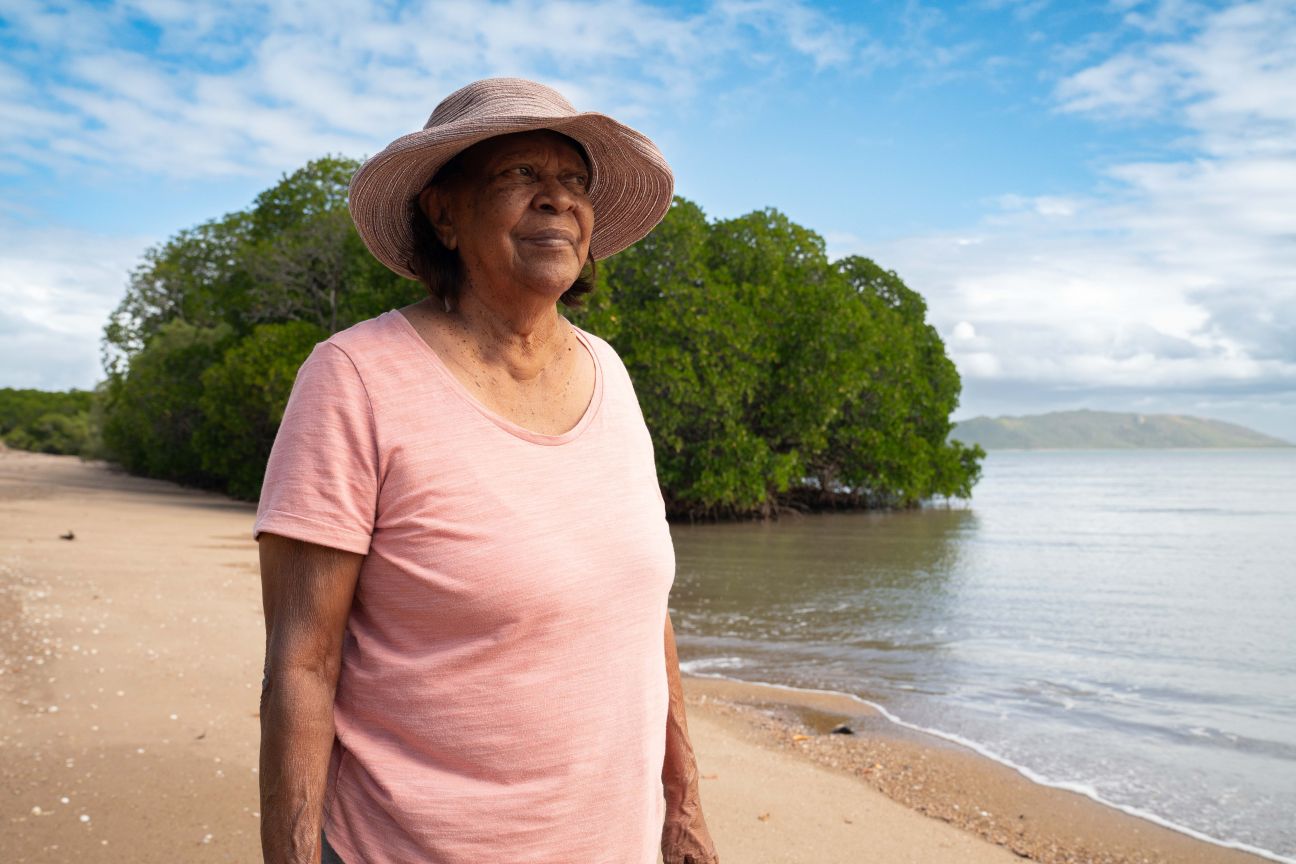
Gail Ambrym, Wulgurukaba Elder.
Photo credit: Styledia © Queensland Government
Coming back and getting involved has given me the opportunity to continue in the fight, to be here and do this for my family. And to make sure that we have been acknowledged and are respected as Traditional Owners.
Gail Ambrym, Wulgurukaba Elder
Culture under siege at Nelly Bay
In 1984, a marina and tourism development project was announced for Nelly Bay. There was strong opposition to this development by the Wulgurukaba, local residents and conservation groups, including Island Voice. Wulgurukaba Elder Virginia Wyles was heavily involved in protesting and applying for review of the development and decision. Today, she is still recognised by her people as a pioneer, leading passionate efforts to stop the development.
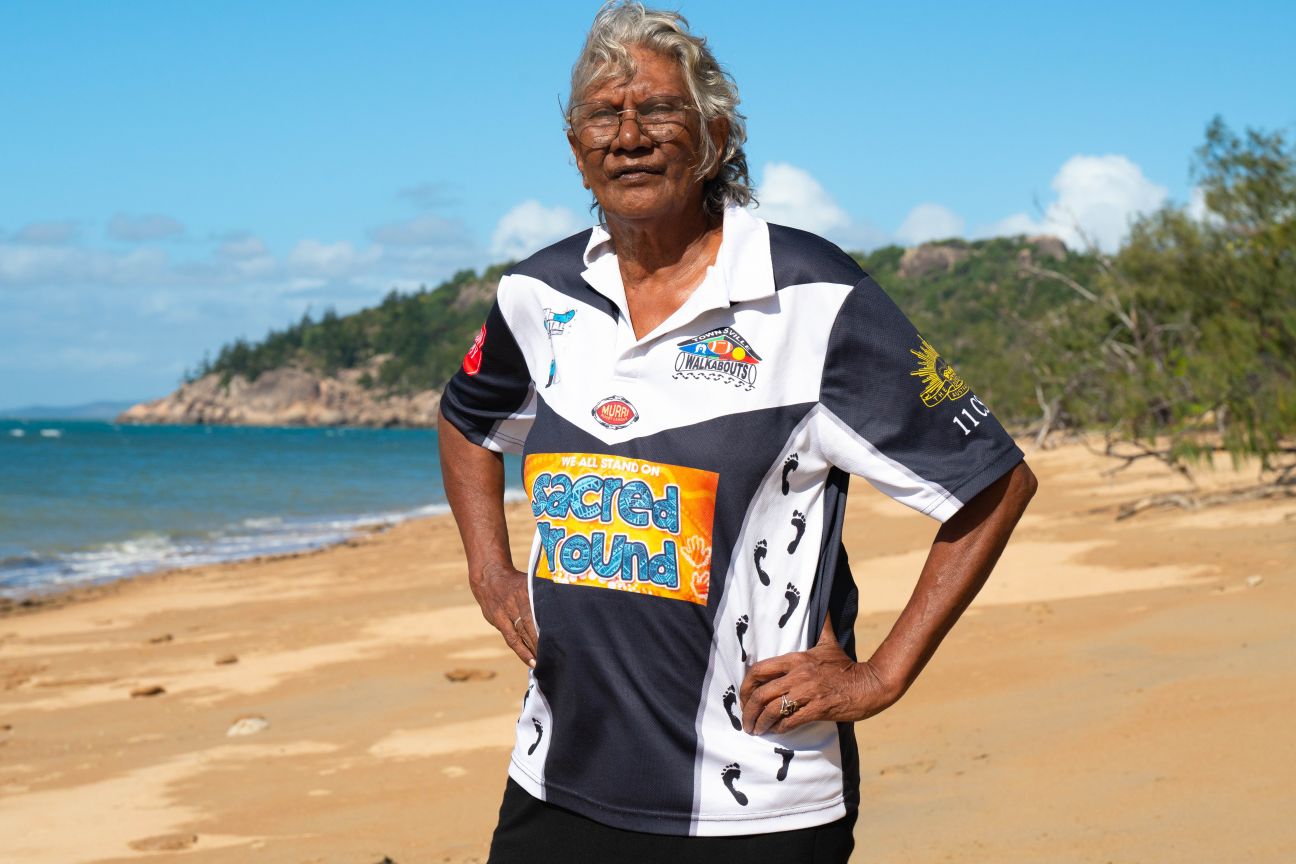
Virginia Wyles, Wulgurukaba Elder.
Photo credit: Styledia ©Queensland Government
We had a protest camp over on the island at Horseshoe Bay where we would stay, and go to the site at Nelly Bay during the day. I called a community meeting in town, we had about over a hundred people at a community meeting, signing up who knows they belong to this Country. We couldn’t keep quiet—we were going to jump up and down if something’s not right. What would they do if we went bulldozing through the cemeteries here?
Virginia Wiles, Wulgurukaba Elder
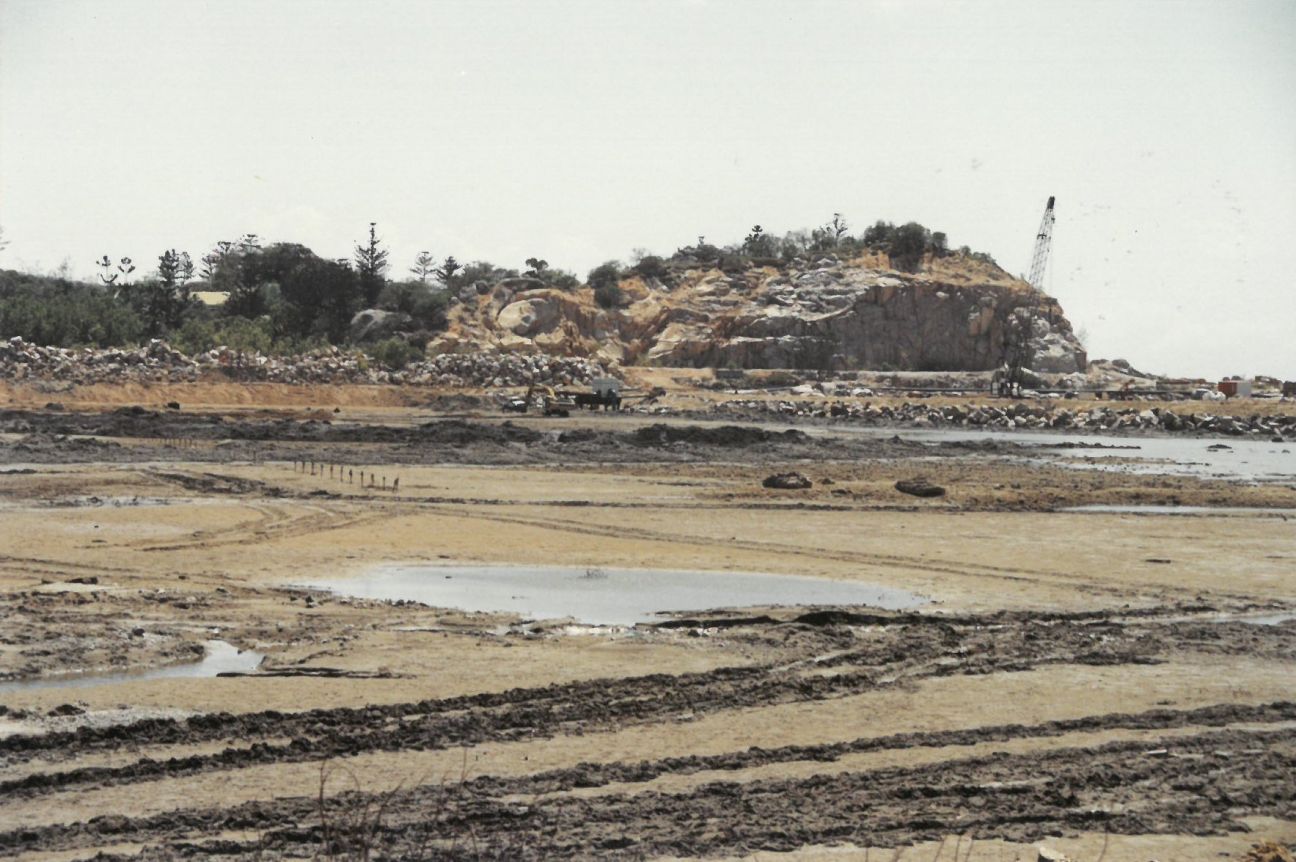
The controversial Magnetic Quays development went ahead despite major objections from Traditional Owners, local residents and environmental groups. Nelly Bay circa 2000.
Photo credit: © Queensland Government
There was a significant side beside the environment that we were protesting against, our cultural heritage, which did bring the development to a halt for a number of years. But it did eventually go ahead.
Virginia Wiles, Wulgurukaba Elder
Events escalated when the skeletal remains of a Wulgurukaba woman were unearthed during further development at Nelly Bay in July 2001. Before the burial site was reported, bones had been separated and spread across the construction area. Despite this discovery, excavation work continued.
Chris George, Wulgurukaba Elder.
Photo credit: Styledia © Queensland Government
One of the workers, they’d found bones of somebody. By the time I got there, they’d started smashing the remains and moving them to another site. So, we went to court to have them stop. It took them two hours to stop. It took a couple of weeks to retrieve the bones.
Chris George, Wulgurukaba Elder
Respect for ancestral remains
In 2001, the Wulgurukaba people lodged an interim injunction to stop construction so the ancestors’ remains could be properly salvaged. The estimated age of the remains was 150 to 200 years old. The events at Nelly Bay became a catalyst for the Wulgurukaba’s passionate push for recognition. Gaining the legal right to speak for Country and its protection became increasingly urgent.
It was obviously very emotional for everyone at the time and clearly it had a big impact on us all. Handling someone’s bones on a daily basis was not an easy task. I have always thought that it was literally like trying to put someone's bones and their soul back together.
Michelle Bird, Archaeologist
Protecting a sacred legacy
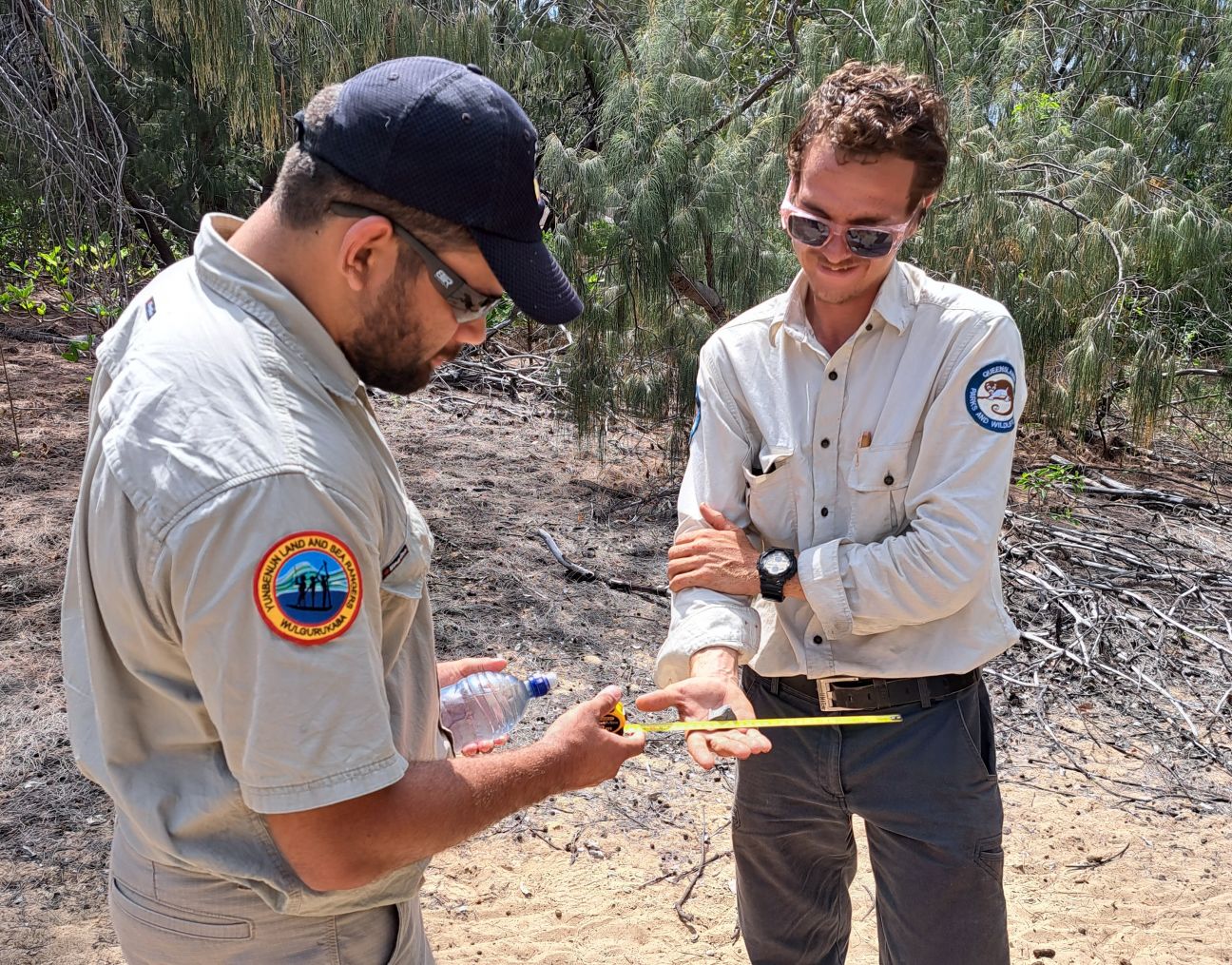
Hayden Saltner (pictured left) and Shannon Duncan (pictured right), Wulgurukaba Rangers.
Photo credit: © Queensland Government
Wulgurukaba people continue to work alongside archaeologists and Rangers to locate and protect artefacts and cultural sites. Every object found within the landscape provides further insights into the daily lives of Wulgurukaba ancestors. The stewardship of these sacred belongings and cultural sites is important to cultural strength and tradition.
Forging a path forward
Wulgurukaba people feel a strong sense of responsibility for Country. For many people, being on Country and safeguarding its health is vital to their personal wellbeing. Queensland Parks and Wildlife Service (QPWS) works closely with Wulgurukaba people to manage the protected areas on Yunbenun. This partnership is based on a shared passion for conserving Yunbenun’s rich natural environment.
We just wanted to make sure that most of the land was transferred back to parks or conservation tenure so it would be there for the use of everyone. Not just for us. Everyone uses parks.
Chris George, Wulgurukaba Elder
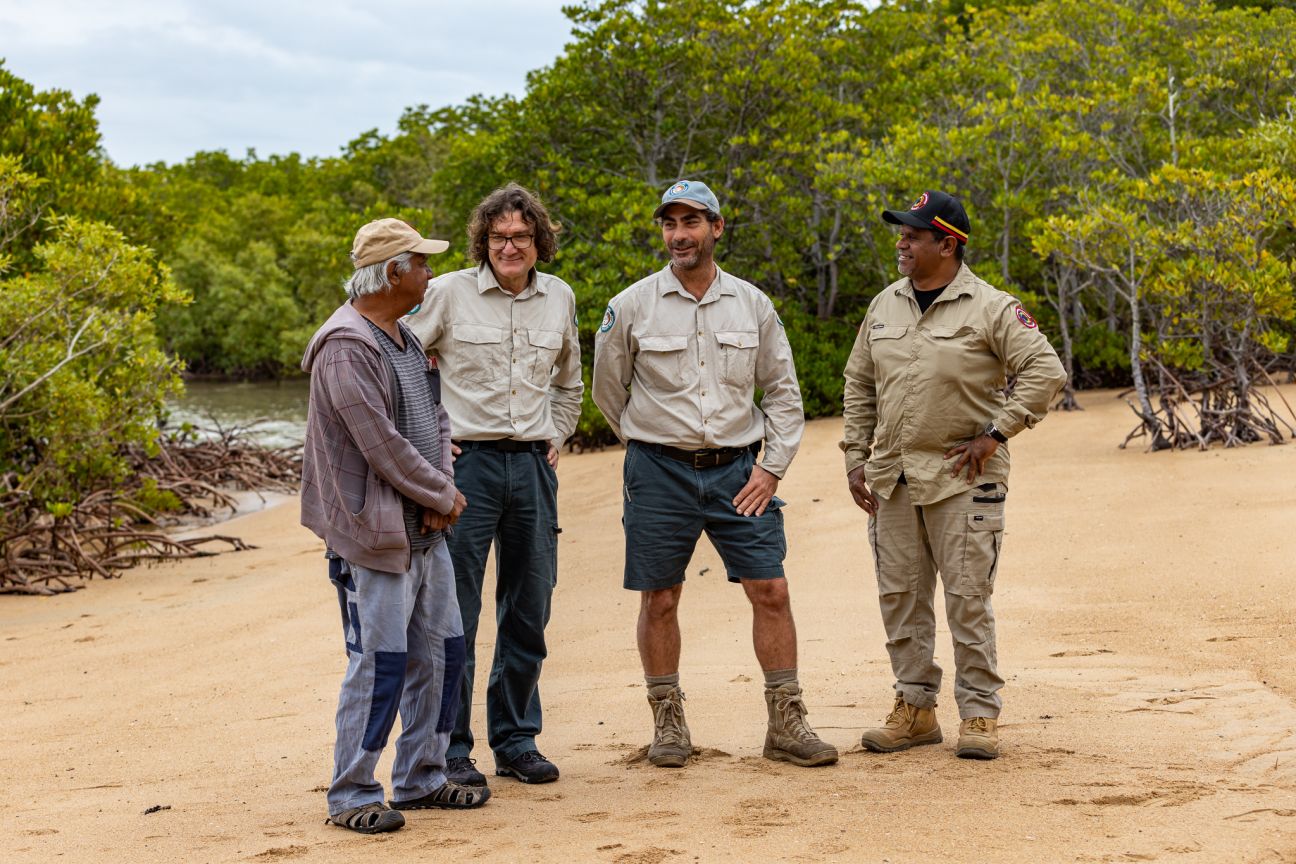
Since 1996, Wulgurukaba Rangers have worked alongside QPWS Rangers, sharing knowledge with each other over time.
Photo credit: Phil Crop © Queensland Government
We walk side by side because there’s shared passion and interest—the park, the landscape. It all impacts us. Working with national parks allows us to express our values for the Land and Sea.
Brian Johnson, Wulgurukaba Elder (pictured far left)
It’s sharing—this is how I feel. This opening, this sharing, is teaching us how to look at the country differently.
Patrick Centurino, QPWS Senior Ranger (pictured second from the left)
Persistent effort has seen the Wulgurukaba people gain increasing recognition as custodians of Yunbenun. In 2009, an Indigenous Land Use Agreement (ILUA) was established with the State of Queensland, recognising that the Wulgurukaba people have interests in the management of national park on Yunbenun. The agreement provides a foundation for the Wulgurukaba people to work with the State and QPWS to protect more of Yunbenun. More than three quarters (78%) of the island is now designated as protected areas.
In 2022, a Memorandum of Understanding was formalised between QPWS and the Wulgurukaba people. It defines a working partnership for the ongoing management and protection of Yunbenun, now and into the future.
We were lucky to get the ILUA with parks. The park is here so then we know they’re not going to be blasting the boulders and putting up high rise. That’s been a great blessing.
Virginia Wyles, Wulgurukaba Elder
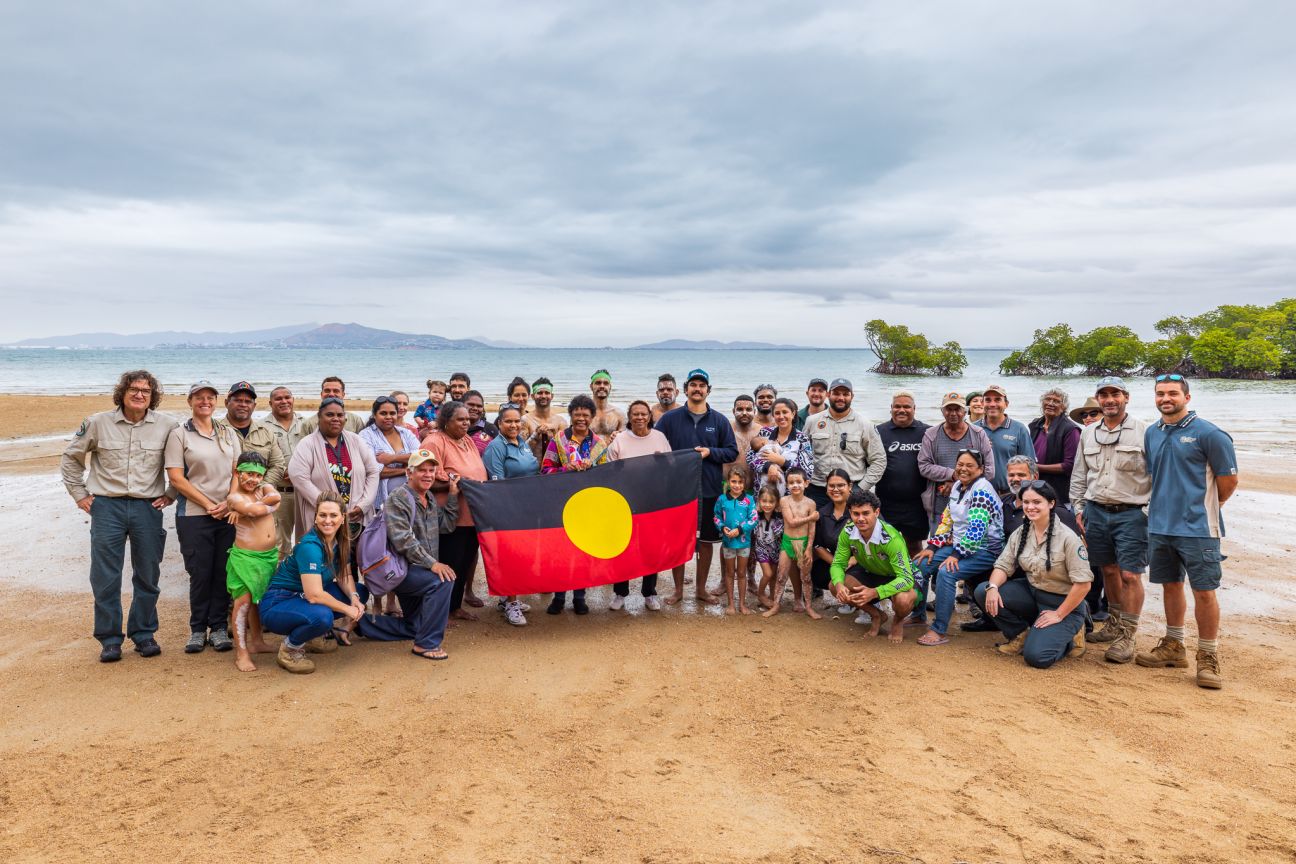
Since 1996, Wulgurukaba Rangers have worked alongside QPWS Rangers, sharing knowledge with each other over time.
Photo credit: Phil Crop © Queensland Government
Historical events
| 1988 | Over 1,500 Aboriginal artefacts are found in Nelly Bay. |
|---|---|
| 1989 | Construction begins on the Magnetic Quays development in Nelly Bay. Wulgurukaba people join the fight to stop the destruction of their Country. |
| 1994 | The Wulgurukaba Aboriginal Corporation is officially established to represent the rights and interests of Wulgurukaba people. This group is incorporated under the Registrar of Indigenous Corporations set up under Commonwealth legislation. |
| 1996 | The first Wulgurukaba person to be employed as a Ranger starts work with Queensland Parks and Wildlife Service on Yunbenun. |
| 2000–2001 | Wulgurukaba people and their supporters continue protests to stop the Magnetic Quays development and protect a significant cultural living site from destruction. |
| 2001 | Wulgurukaba people successfully fight to pause excavation at Magnetic Quays development to retrieve their ancestors' remains. |
| 2003 | The Aboriginal Cultural Heritage Act is passed in Queensland to recognise, protect and conserve Aboriginal cultural heritage. |
| 2009 | After a 10-year battle through the Native Title Process, the Wulgurukaba People established their rights to Country under Australian law and entered into an Indigenous Land Use Agreement (ILUA) with the State of Queensland regarding the use and management of protected area on Yunbenun. |
| 2012 | The Wulgurukaba Yunbenun Aboriginal Corporation is officially established under the Registrar of Indigenous Corporations to implement the Indigenous Land Use Agreement. |
| 2011–2019 | Protected area is increased from 54% to 78% of the island as a result of the ILUA process. Wulgurukaba people become the trustees of new conservation parks on Yunbenun. |
| 2020 | The Yunbenun Advisory Group is established to enhance the working partnership between the Wulgurukaba people and Queensland Parks and Wildlife Service. |
| 2021 | The first Yunbenun Wulgurukaba Land Sea Rangers work alongside Queensland Parks and Wildlife Service Rangers to manage and protect Yunbenun Country. |
| 2022 | A Memorandum of Understanding between the Wulgurukaba People and Queensland Parks and Wildlife Service formalises an ongoing partnership to manage and protect Yunbenun’s national and conservation parks. |
| 2025 | The Yunbenun Advisory Group and Queensland Parks and Wildlife Service Rangers co-design a Yarning Circle and the first Wulgurukaba interpretation and truth telling project, strengthening kinship relationships and ongoing partnerships. |
Unwavering leadership
Many Elders and other Wulgurukaba people have been passionate advocates for Wulgurukaba Country and community. They have fought for recognition, dedicating countless hours to documenting knowledge, shaping decisions and improving the livelihoods of Indigenous people. With remarkable energy and effort, each leader in the community has worked to give Wulgurukaba people a voice on Yunbenun.
Celebrating the return of The Sticks lease
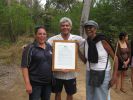
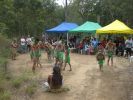


In 2012, a bushland block known as The Sticks was returned to the Wulgurukaba from the State of Queensland. The block, nestled on the island’s west, is surrounded by national park. Wulgurukaba people are now helping restore the area’s natural values.
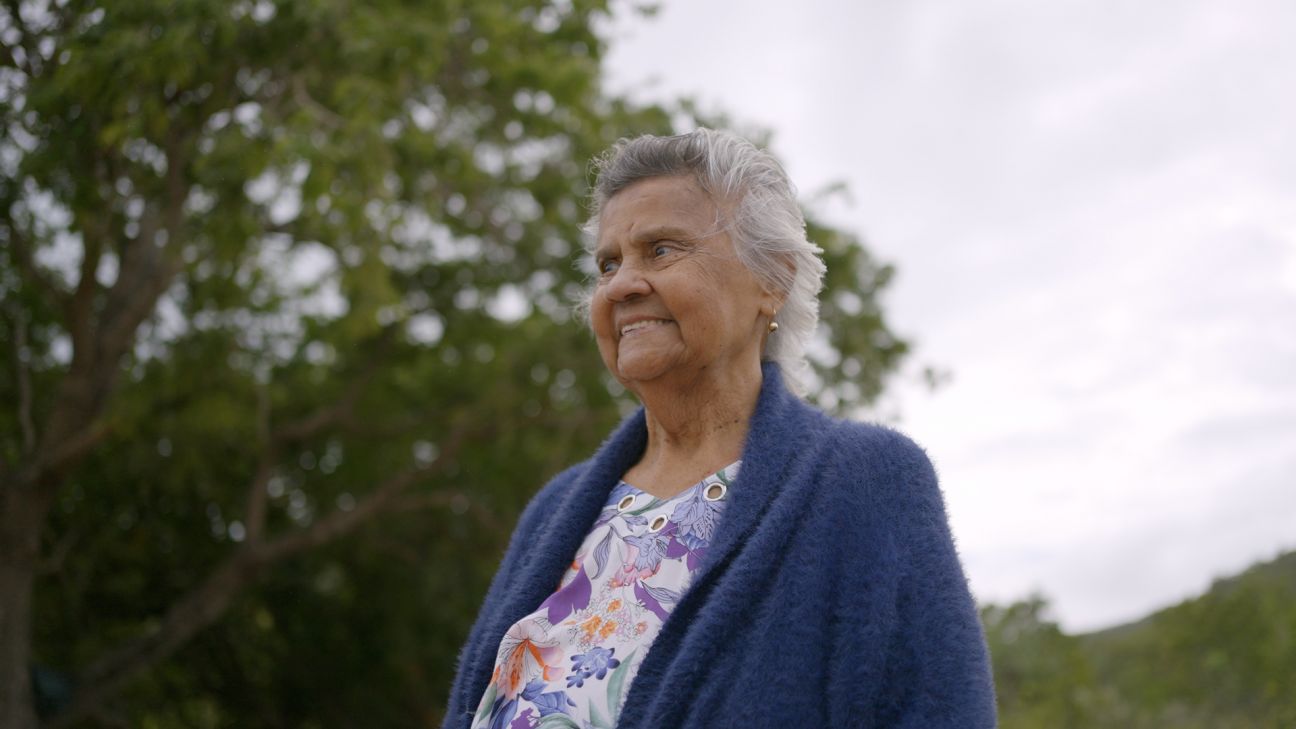
Iris Glenbar, Wulgurukaba Elder.
Photo credit: Styledia © Queensland Government
When The Sticks’ lease was handed over to us, I felt a connection straight away. You know you’re somewhere you belong.
Iris Glenbar, Wulgurukaba Elder
Honouring apical ancestors
Today, Wulgurukaba people trace their family lineage to one of four apical ancestors. Each of these ancestors grew up on Yunbenun and was later forcibly removed from the island. The strength of apical ancestors is honoured and respected by all Wulgurukaba people.
The White family
The White family tree can be traced back to apical ancestor Jimmy White. Jimmy White was removed from Yunbenun and taken to the Aboriginal camps at Rowes Bay in Gurambilbarra (Townsville).
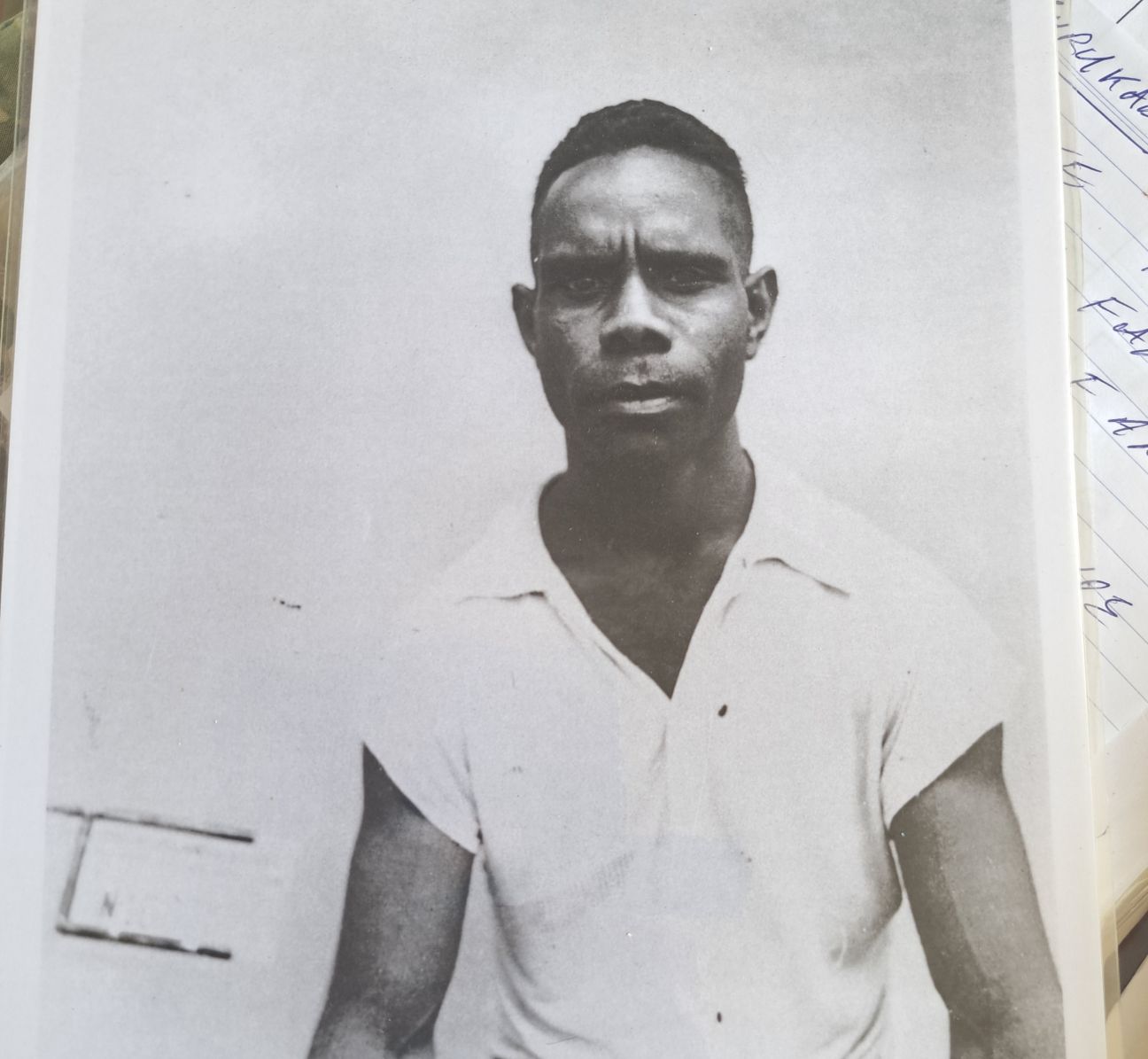
Alec White, Wulgurukaba Elder.
Photo credit: © Queensland Government
Alec White (pictured), born to Jimmy White was forcibly taken from Townsville and relocated to a reserve on Palm Island in the late 1930s.
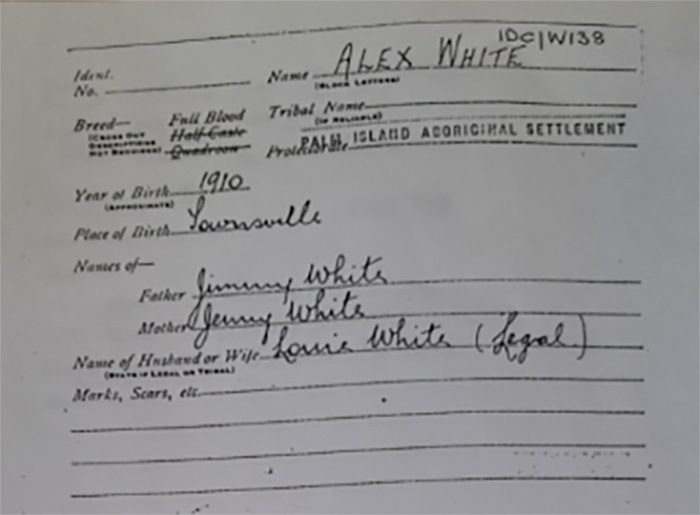
Photo credit: © Queensland Government
During his time on Palm Island, Alec White lived alongside the Manbarra People, reinforcing a connection between the Wulgurukaba People and Manbarra that remains today.
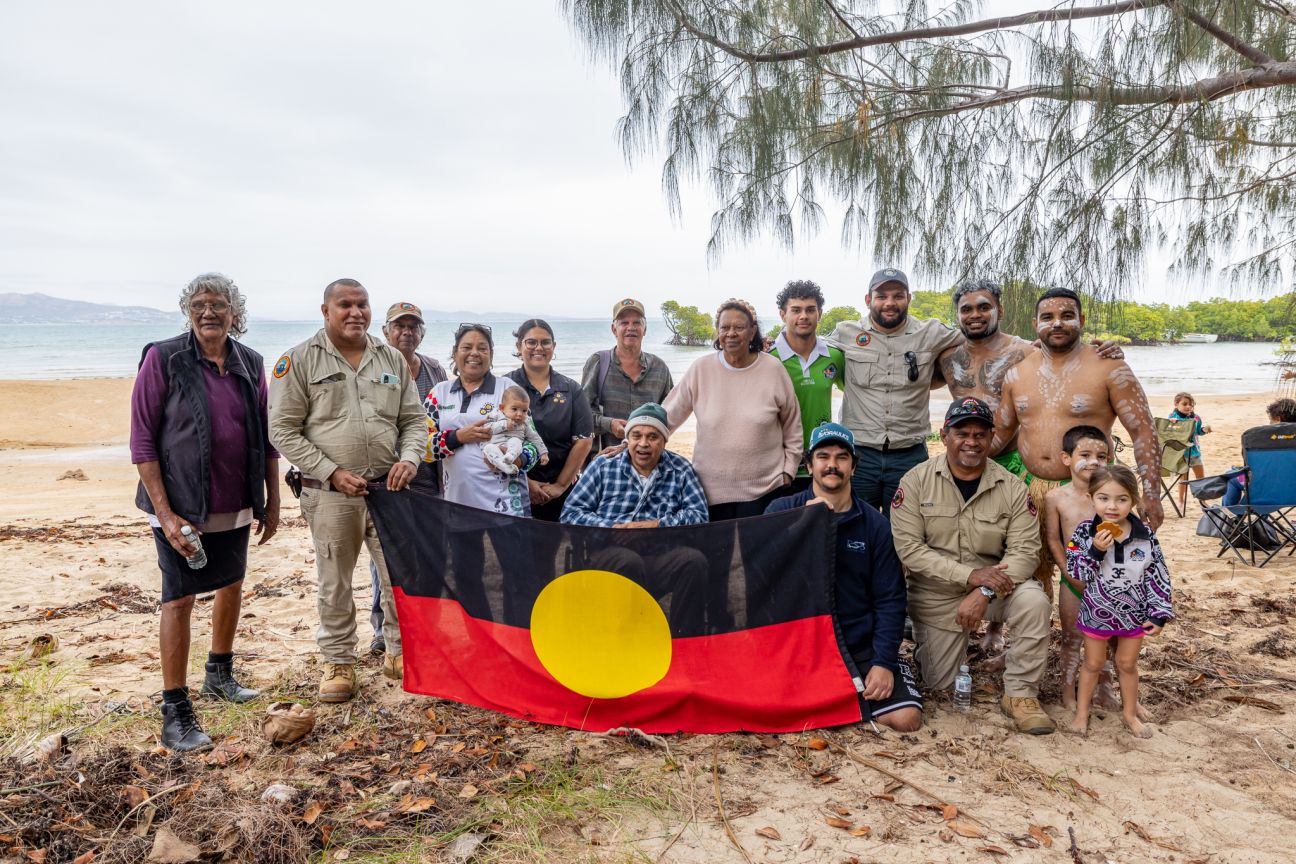
Members of the White family lineage proudly remember their ancestors.
Photo credit: Phil Crop © Queensland Government
The Underwood family
Emily Magnetic is the apical ancestor of the Underwood family. She grew up on Yunbenun, and later married James, a lighthouse keeper on the island. She and her family moved to Lizard Island, where they were separated and forcibly moved to other Country. Some were sent to Cooktown and overseas. Others, including Emily, were sent by boat to the coastal mission reserve in Yarrabah.
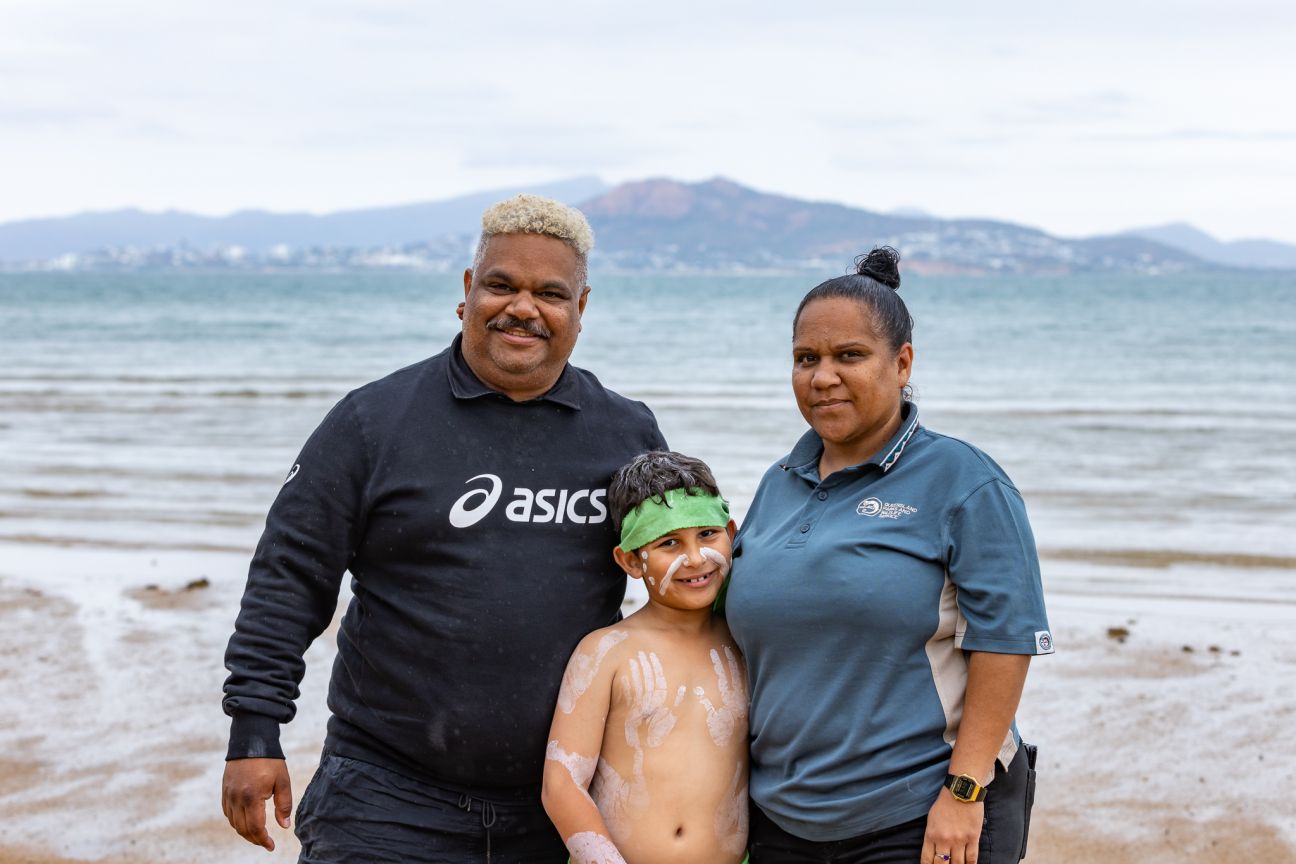
Members of the Underwood apical family line celebrate on Country.
Photo credit: Styledia © Queensland Government
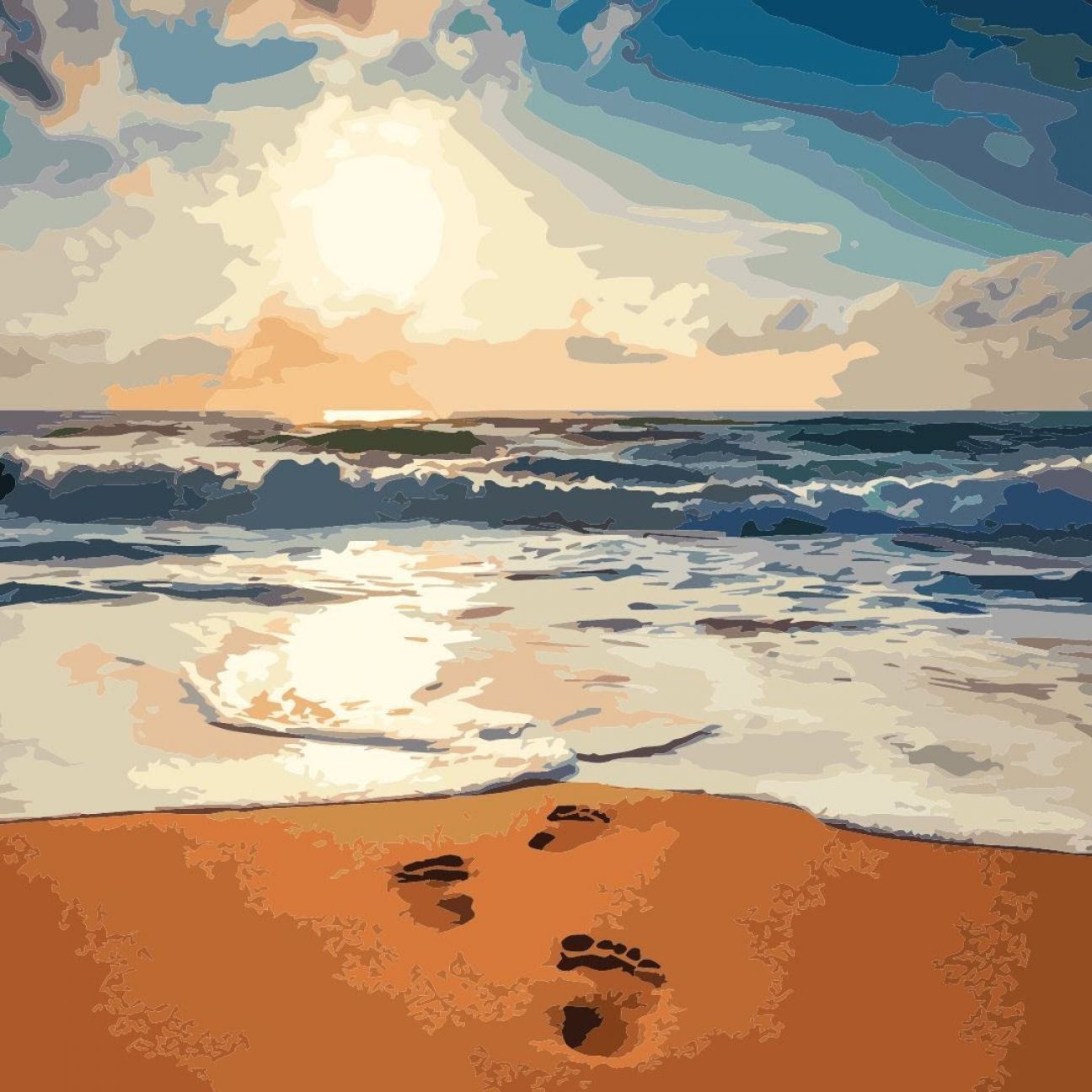
“Although Emily is gone, Yunbenun Magnetic Island is where her memories lie.” Paulene Burns, Wulgurukaba artist
Photo credit: © Artist, Paulene Burns 2023
The Ambrym family
The Ambrym family are the descendants of Hilda Ambrym. Hilda and Emily Magnetic were sisters. Hilda Ambrym was taken from Country and sent to mission settlement in Yarrabah. She was one of the few Aboriginal people granted an exemption to leave Yarrabah and return to Country. She spent the rest of her life in Gurambilbarra (Townsville) and is remembered by her great-great-grandchildren today.
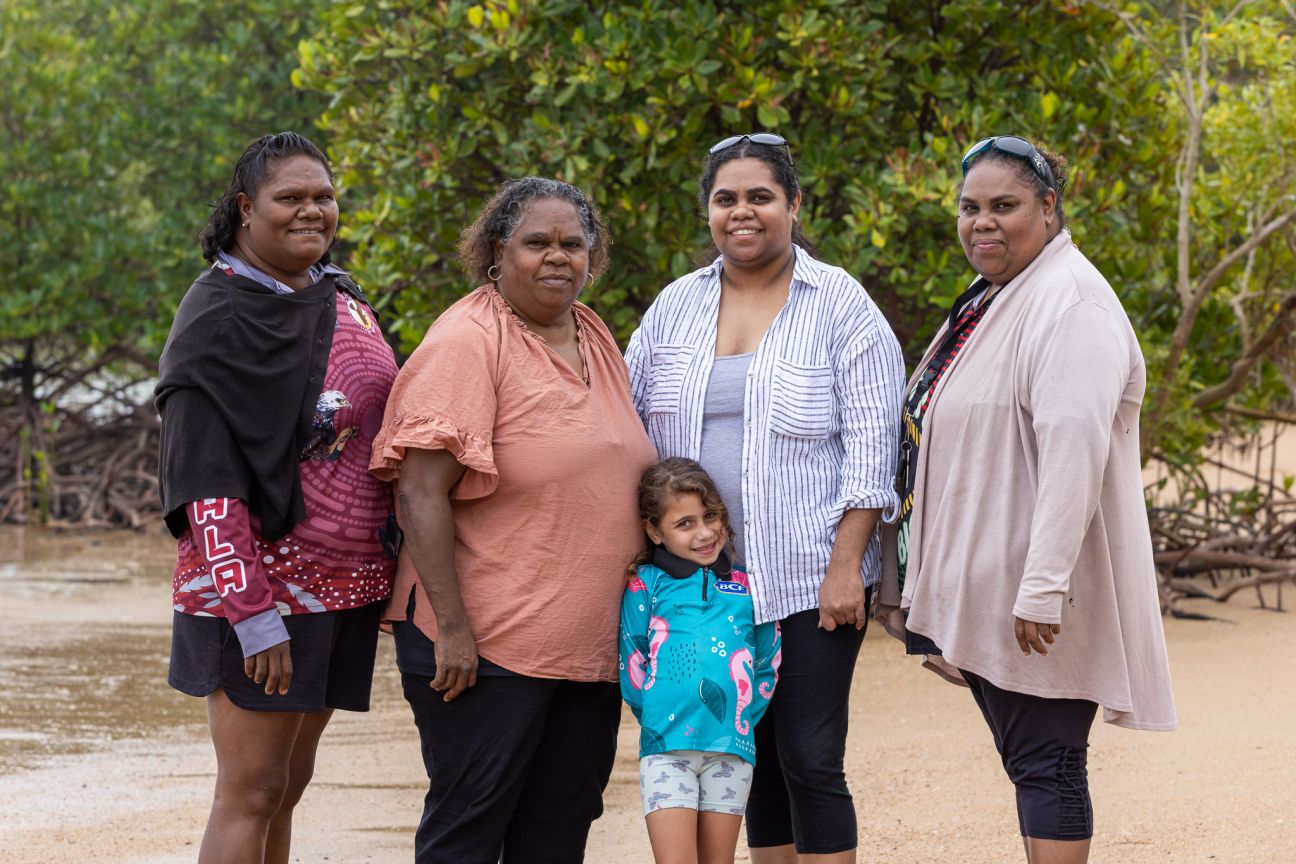
Members of the Ambrym family line.
Photo credit: Phil Crop © Queensland Government
The Hegarty family
The Hegarty family can be traced back to apical ancestor Peter Hegarty who was from the Townsville area. Peter moved to the Bowen and Burdekin areas, living near the Burdekin River, where he married his wife.
He then moved back to Townsville with his family. He was removed from Townsville in 1911, with his family including his wife and children. They were sent by boat to Maryborough, then onto Barambah (Cherbourg).
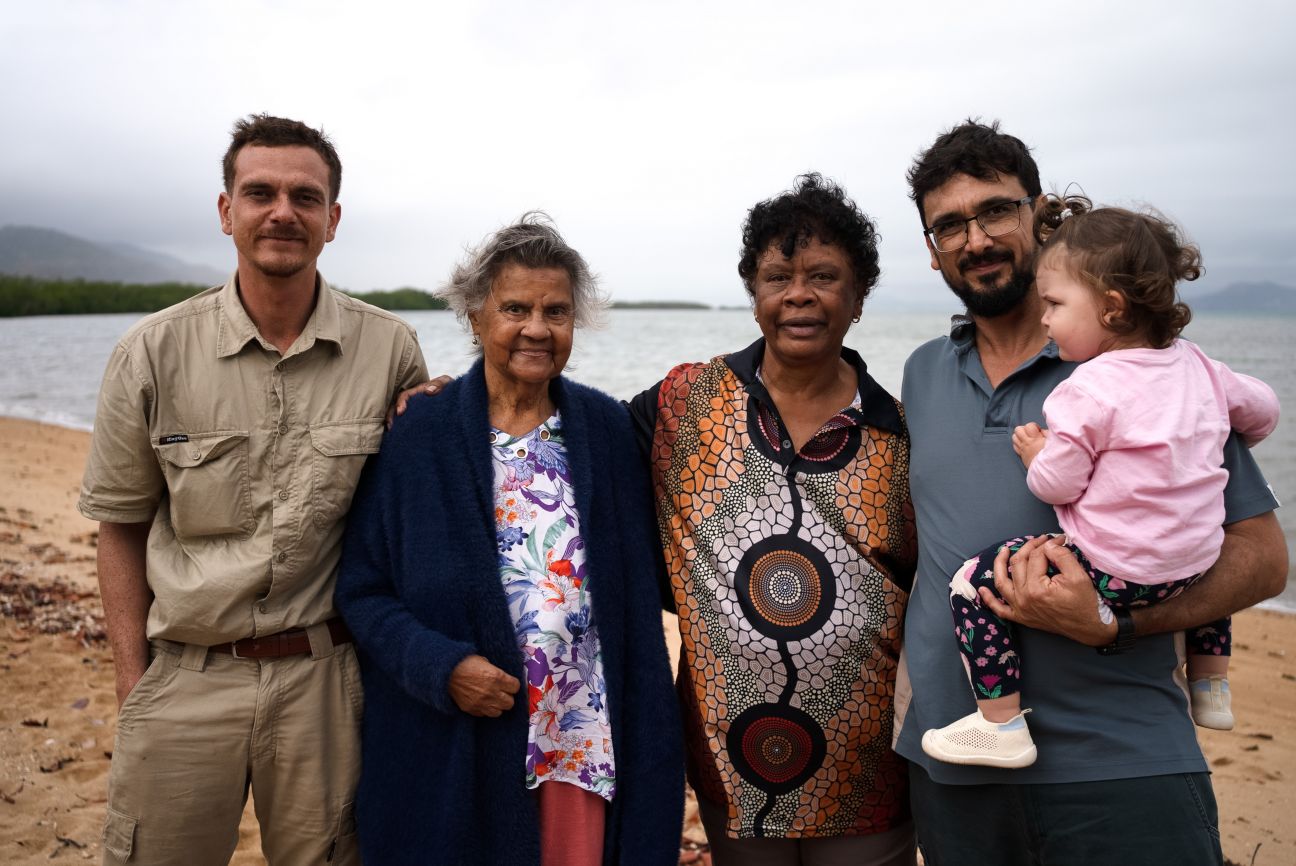
Members of the Hegarty family.
Photo credit: Styledia © Queensland Government
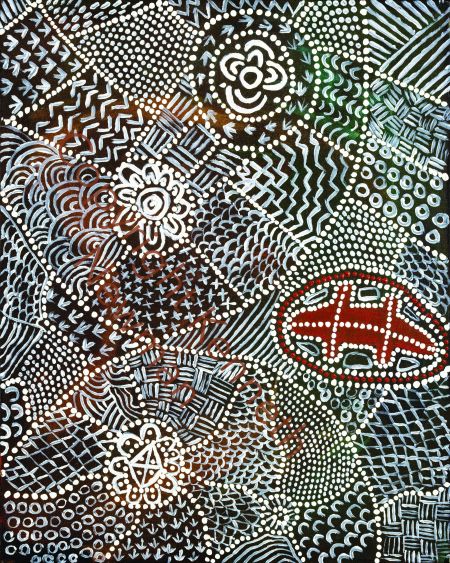
Family ties
Photo credit: Artist © Kenneth Newman
Artwork acknowledgement
Family ties’ © Artist Kenneth Newman
It’s a bond that connects us as family, even when we may live far apart, unaware of each other’s existence. When our paths finally cross, the stories of our journeys unfold, revealing similarities in our experiences, shared coincidences, failures and successes.
“I thank the Wulgurukaba Elders who shared their stories with me. Elders are important to keep the story going.”
Kenneth Newman, Wulgurukaba artist
Information on this web page embodies the cultural knowledge of the Wulgurukaba people, included with the consent of the custodians of this community.
Related stories
-
The Wulgurukaba people were forced to leave their Country and kin, being moved to missions and reserves across Queensland.
-
Wulgurukaba people’s perspectives of spiritual and cultural connection to County.
-
Wulgurukaba ethnobotanic and cultural understanding of flora and fauna of Yunbenun.