- Issued
- 28 February 2025
- Region
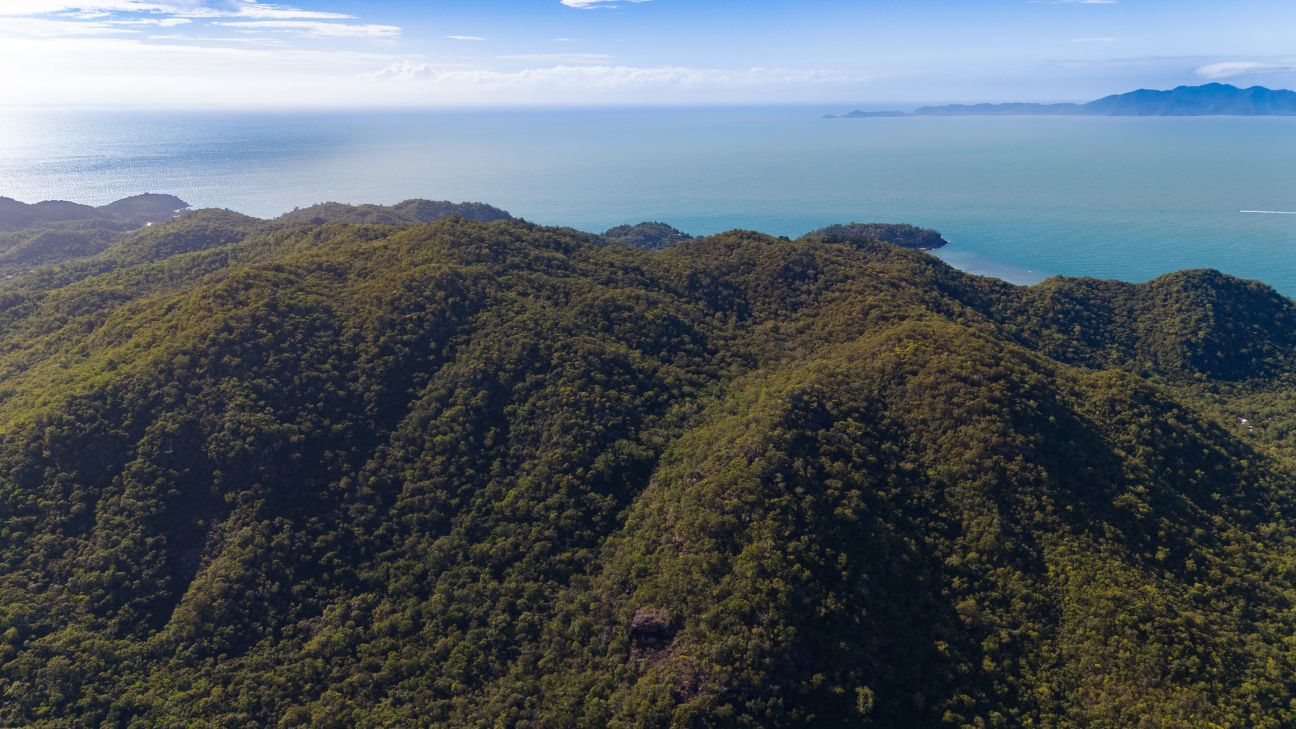
Traditional knowledge reveals insights into Yunbenun today
With a deep understanding of nature’s resources and cycles, Wulgurukaba people take only what is necessary, ensuring no waste or overharvest. Today, land managers and natural resource scientists work with Wulgurukaba people to improve their understanding of contemporary ecosystems.

Brian Johnson, Wulgurukaba Elder.
Photo credit: Styledia © Queensland Government
There has been a huge shift in recognition and respect for Aboriginal ecological knowledge. There’s always more to improve.
Brian Johnson, Wulgurukaba Elder
Wulgurukaba seasons are different from the conventional Western calendar. There are two broad seasons—the Wet and the Dry—defined by changing signs in the environment rather than by dates. Seasons are marked by the timing of animal breeding and life cycles, the movement of birds and sea animals and the flowering and fruiting of plants.
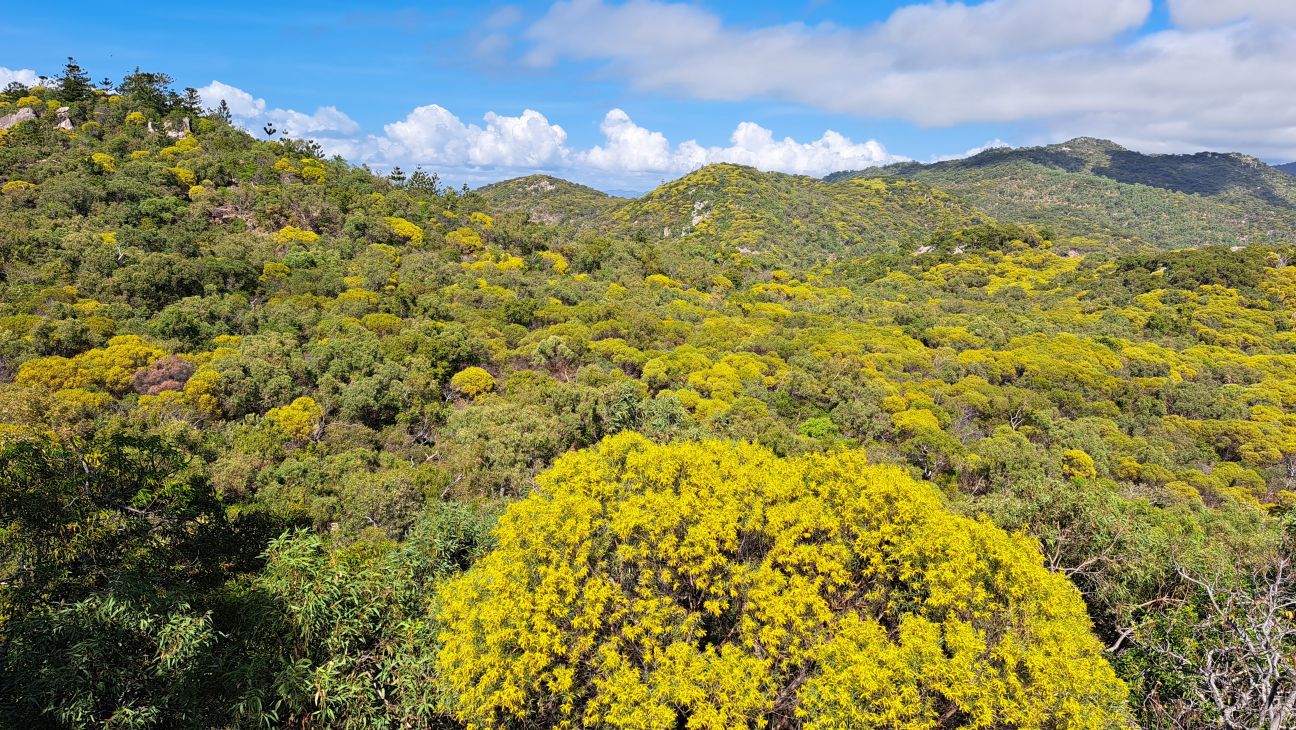
Acacia trees flowing across the woodland landscape of Yunbenun.
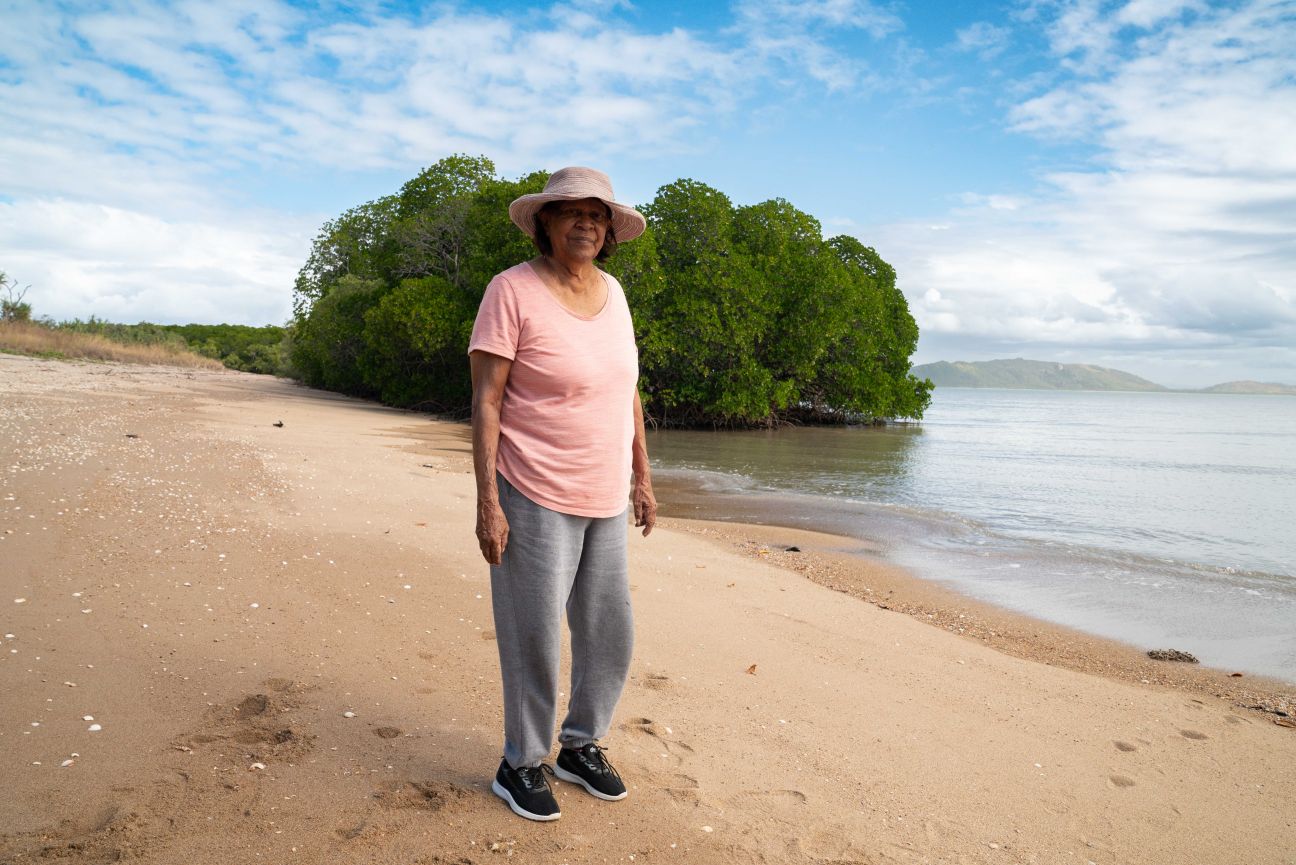
Chris George, Wulgurukaba Elder.
Photo credit: Styledia © Queensland Government
With the high tides and the low tides, Dad would say don't go fishing on a high tide. Wait till the tide goes out and you’ll catch plenty.
Chris George, Wulgurukaba Elder

Creation Carpet Snake Gabul surrounding Yunbenun.
Photo credit: Artist © Kenneth Newman
Birds and mammals nest and have babies before heavy rain events, readying for the ensuing abundance of resources.
Chris George, Wulgurukaba Elder
Guided by nature
Wulgurukaba people use their deep knowledge of Country to hunt, fish and collect food at the best times. They observe when to harvest and prepare food for the following year. This knowledge is passed down to generations through oral history, song, dance and ceremony.
Gigari Red-tailed black-cockatoos
Calyptorhynchus banksia
As they fly above, the unmistakable calls of red-tailed black-cockatoos herald incoming rain.
When you see gigari (black-cockatoos) flying overhead, it heralds the rain—usually two days later.
Chris George, Wulgurukaba Elder
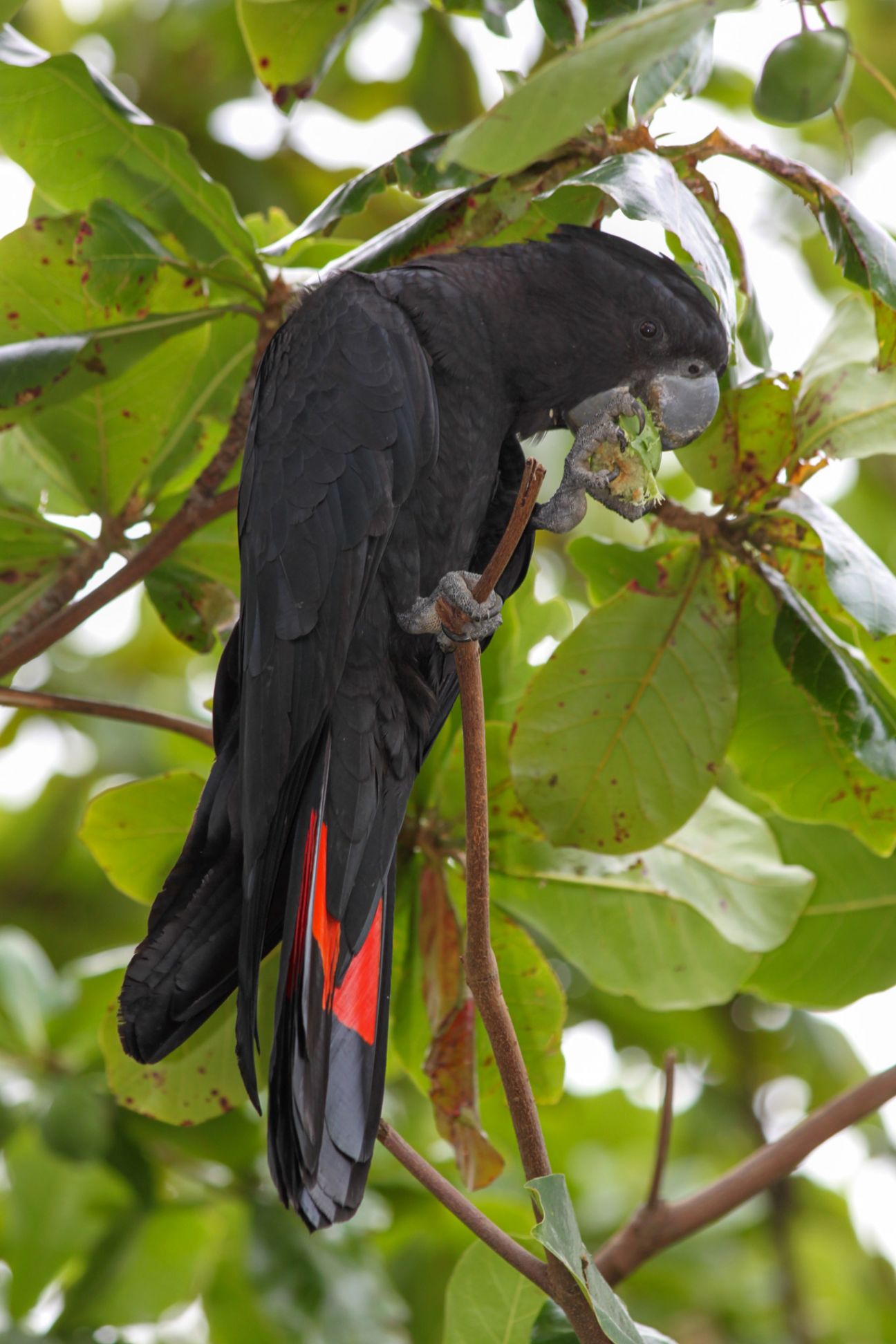
Gigari (red-tailed black-cockatoos)
Photo credit: © Anders Zimny
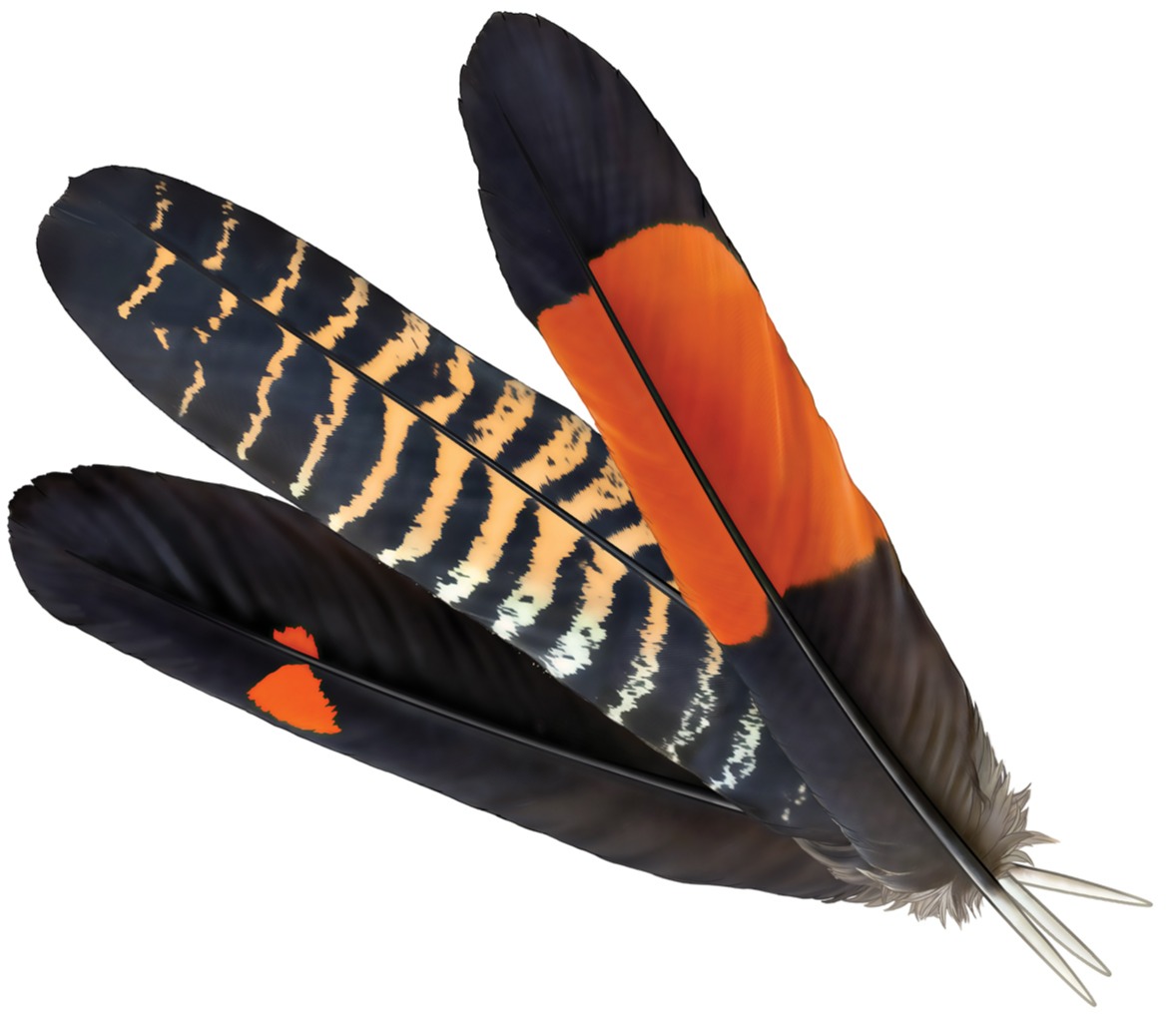
Gigari (red-tailed black-cockatoo) feathers
Photo credit: Illustration Mari Loi © Queensland Government
Beach almond
Terminalia catappa
Beach almonds grow an edible nut kernel. Cockatoos use their powerful beaks to break open the outer shell and feast on the tasty almond inside.
“Cockatoos pick the green (unripe) fruits and hide them under fallen leaves, returning two weeks later to retrieve the ripened fruit.”
Chris George, Wulgurukaba Elder
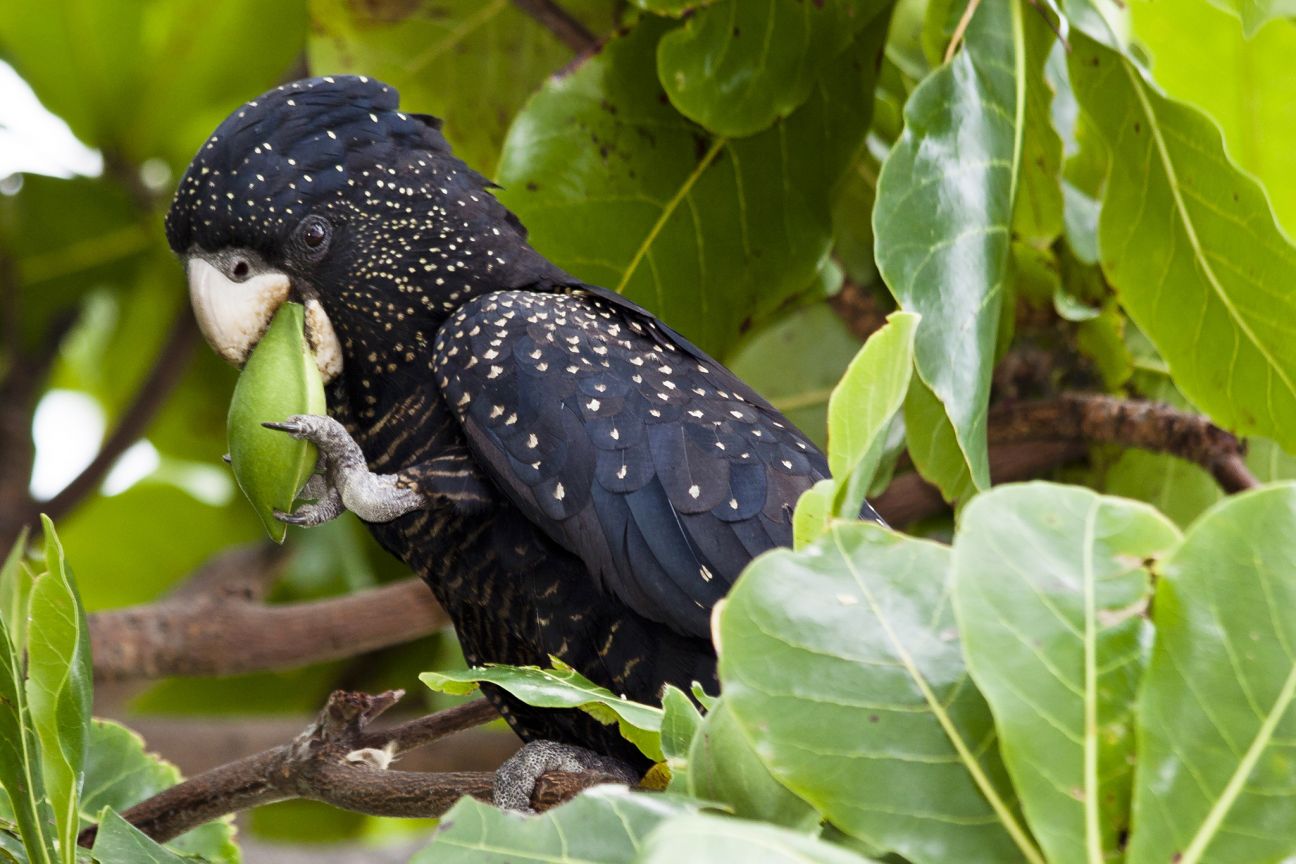
Cockatoo eating a beach almond.
Photo credit: © Anders Zimny
Melaleuca
Oil from Melaleuca species is used to remedy bruises, insect bites and skin infections. Leaves from the tree are mashed and applied under a warm compress.
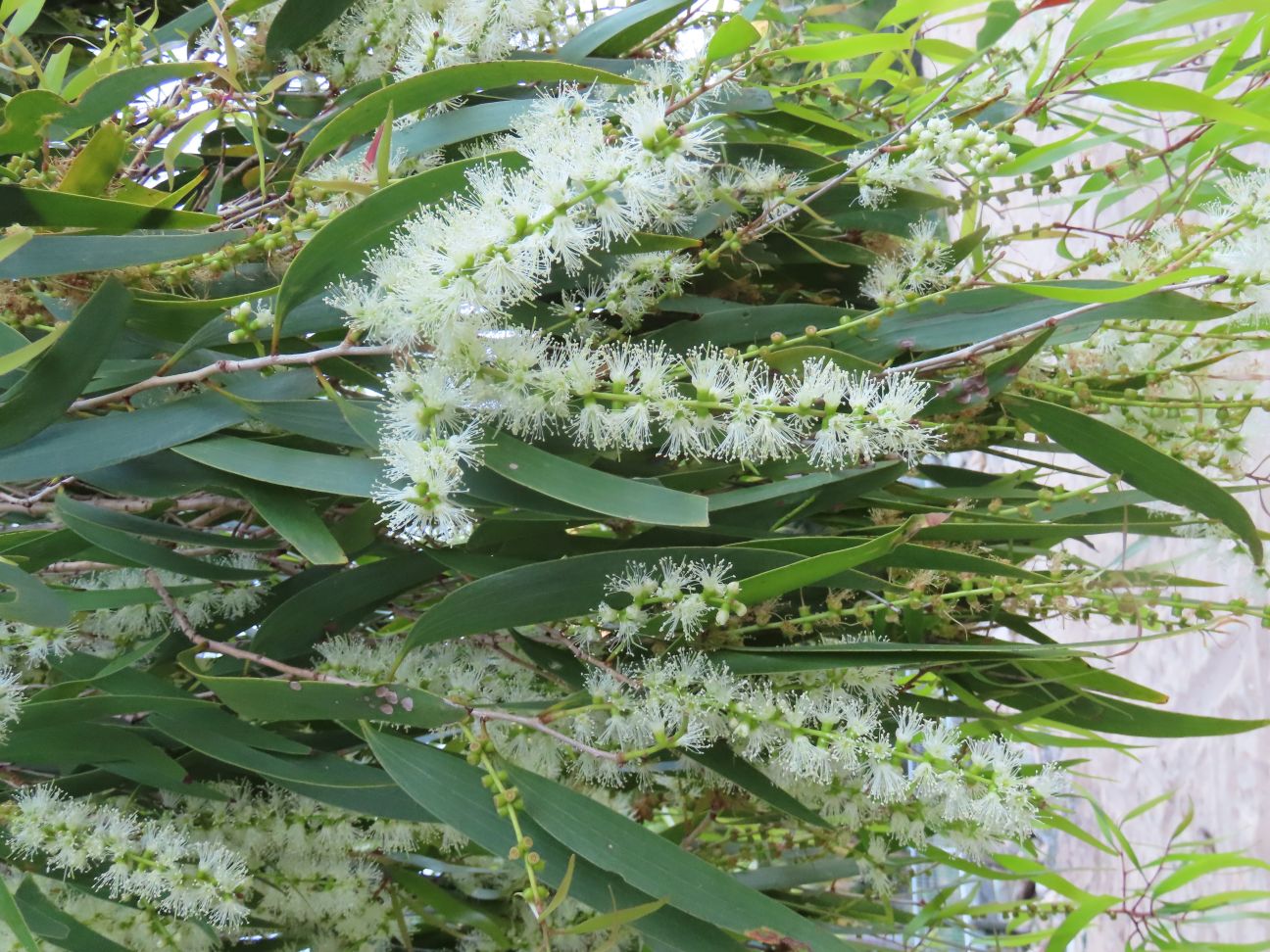
Melaleuca leaves and flowers.
Photo credit: © Queensland Government
Garwun Green ants
Green ants build ball-shaped nests in the foliage of trees and shrubs. The worker ants pull leaves close to each other and weave them together with the silk spun by larvae. The abdomens of green ants are high in protein and vitamin C with a sweet and distinct citrus taste. Aside from being a zesty snack, an infusion of crushed ants and water makes a potent remedy for colds.
“We’d throw green ant nests in hot water in a bucket or a coolamon—get the steam to treat colds and flu. Cough mixture back in the day was expensive—parents couldn’t afford it. So, we’d try that, and it worked—those little health practices that your mother used.”
Brian Johnson, Wulgurukaba Elder
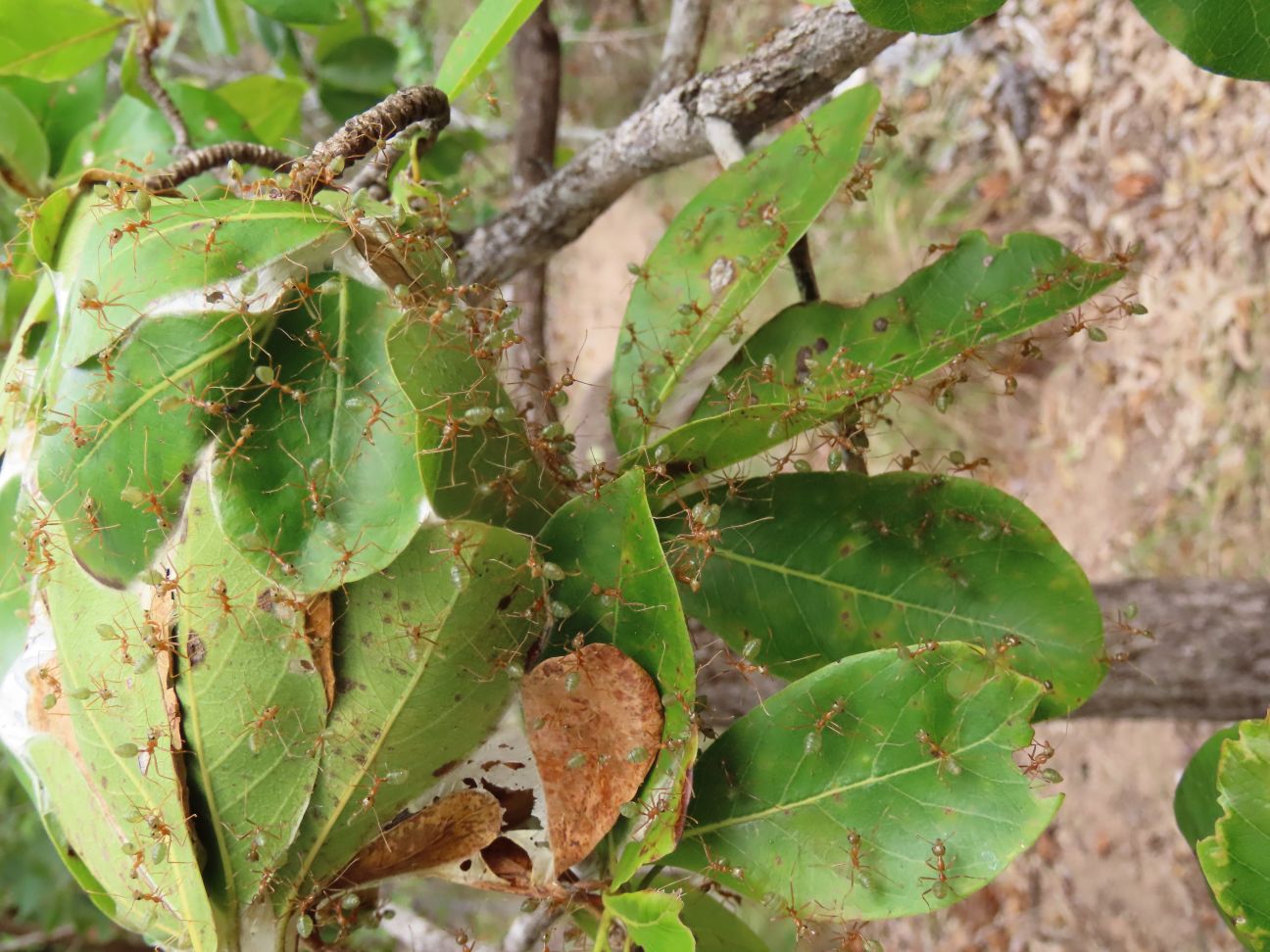
Garwun Green ant nests.
Photo credit: © Queensland Government
Coastal she-oak
Casuarina equisetifolia
Coastal she-oak branches make handy switches for fending away mosquitos. The inner bark and needles also contain medicinal properties. Needles from the casuarina tree are chewed in a ball to numb toothache. The inner bark is smashed and mixed with water to make a gargle for sore throats.
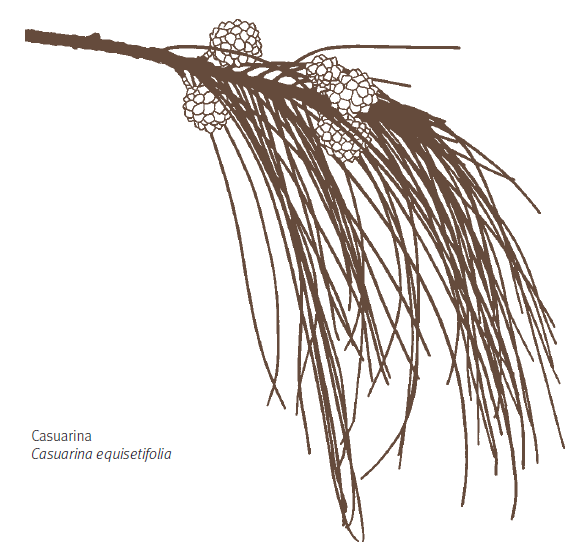
Coastal she-oak
Photo credit: Illustration Mari Loi © Queensland Government
Mu(u)gar Coral reef
Yunbenun sits within the Great Barrier Reef World Heritage Area. The biological diversity of these mu(u)gar is unmatched by any other World Heritage area. Fringing reefs and tidal flats around the island are an important place to find food.
I love the fringing reef. My old grannies used to take me out on the reef. They’d walk with all the other kids on the island and study shells. Shells were used for digging—all shells are fascinating to me.
Chris George, Wulgurukaba Elder
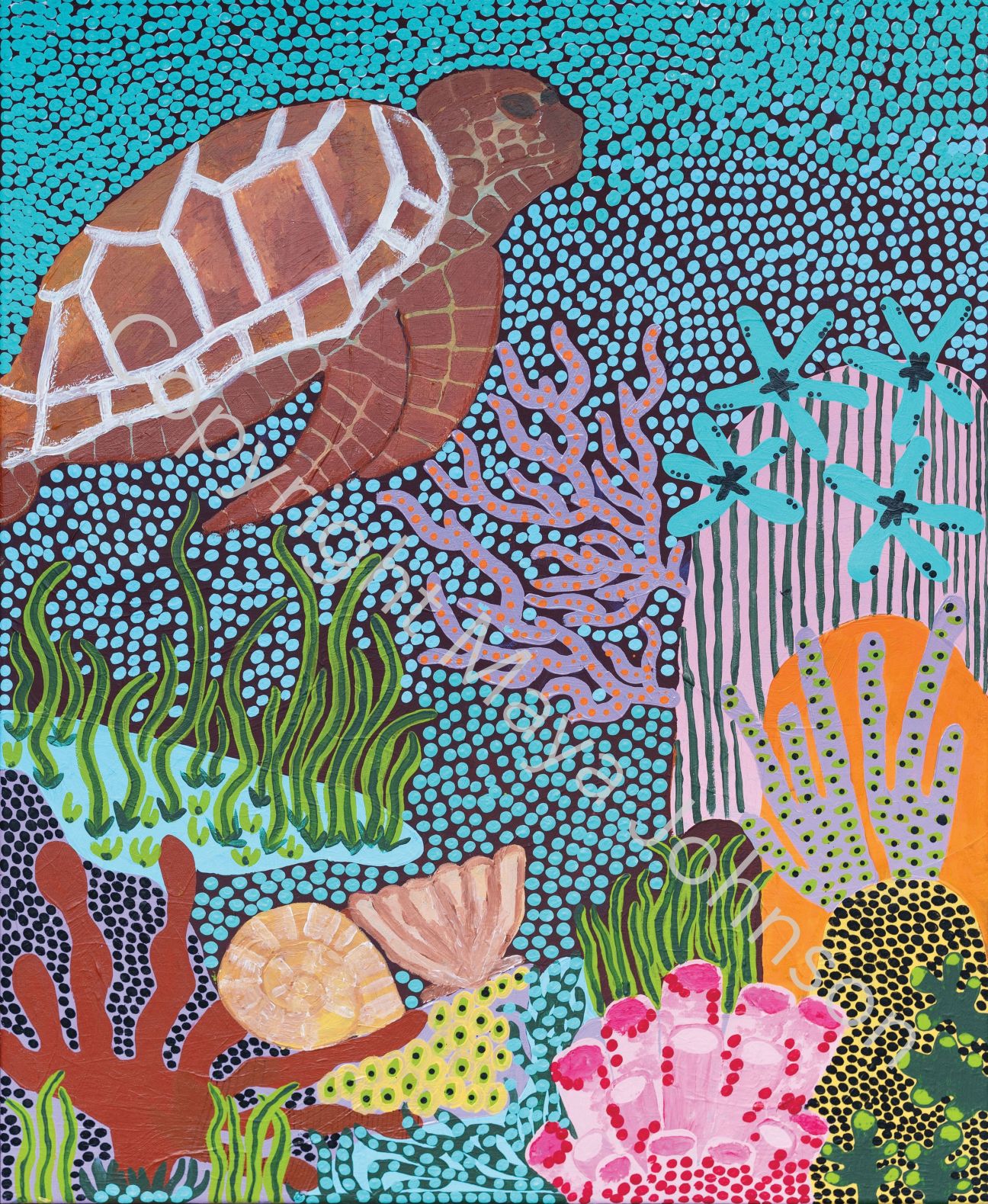
Country under Yunbenun. © Artist, Maya Johnson 2023
Photo credit: © Artist, Maya Johnson 2023, Photo© Dylan Buckee
Townsville wattle
Acacia leptostachya
Flowering Acacia trees blanket the canopies of Yunbenun’s woodlands during winter. This is a time when fish start to run within the surrounding waters.
“When the Acacias flower, it means that the grunters are running. That the fish are fat and ready to eat.”
Christina George, Wulgurukaba woman
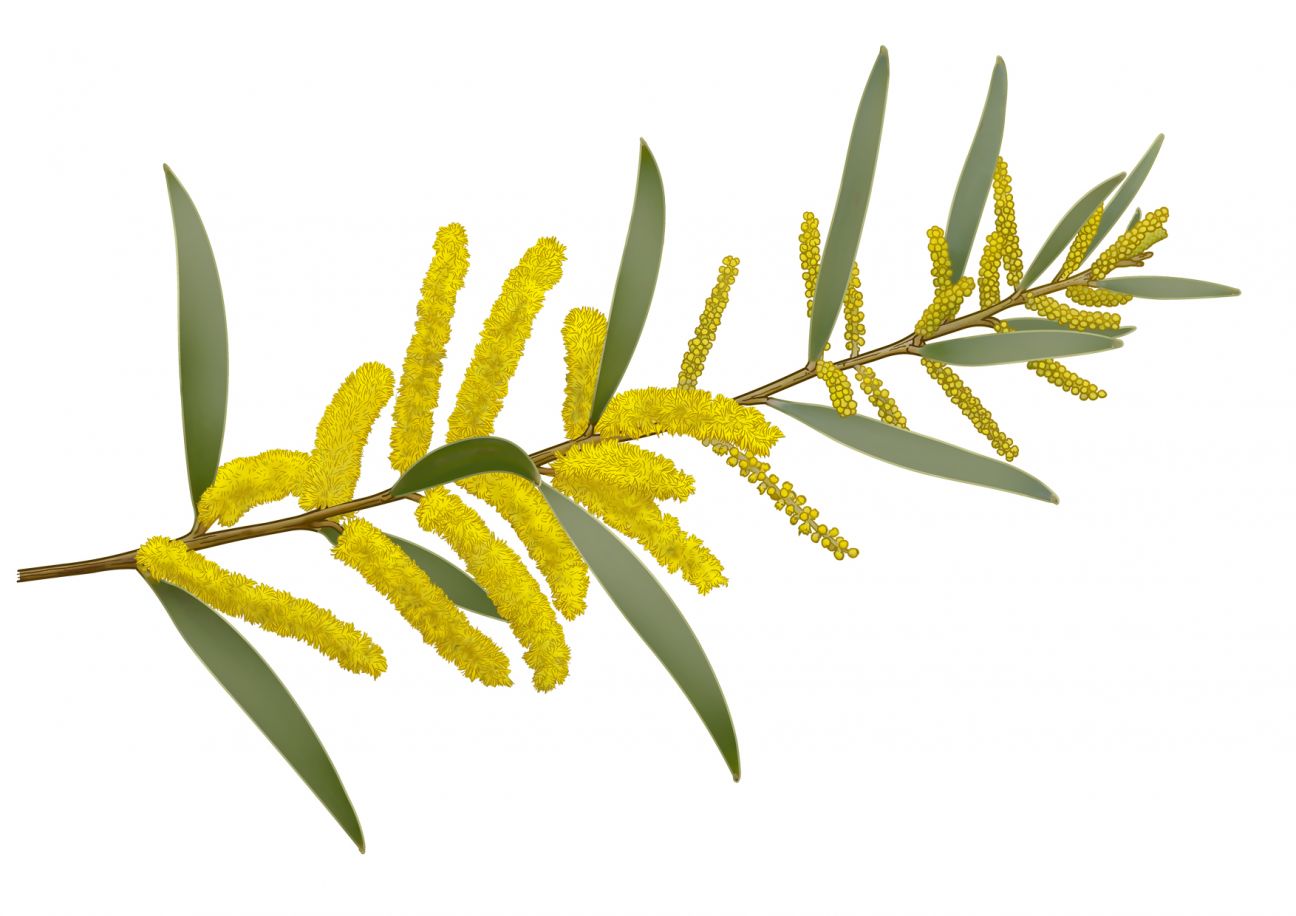
Acacia branch and nuts.
Photo credit: Illustration Mari Loi © Queensland Government
Naguba Burdekin plum
Pleiogynuim timoriense
Naguba is a treasured bush tucker staple. The fruits are extremely acidic when picked straight from the tree. Wulgurukaba people ripen the plums by burying them in sand until they soften.
On the island, there are quite a number of Burdekin plums. You can get white, purple, red and creamy ones. When they are in season, I’ll go around and collect them for jams and to eat. I reckon the best way to have them is straight from the tree. You have to take them off and they ripen before you eat them.
Chris George, Wulgurukaba Elder
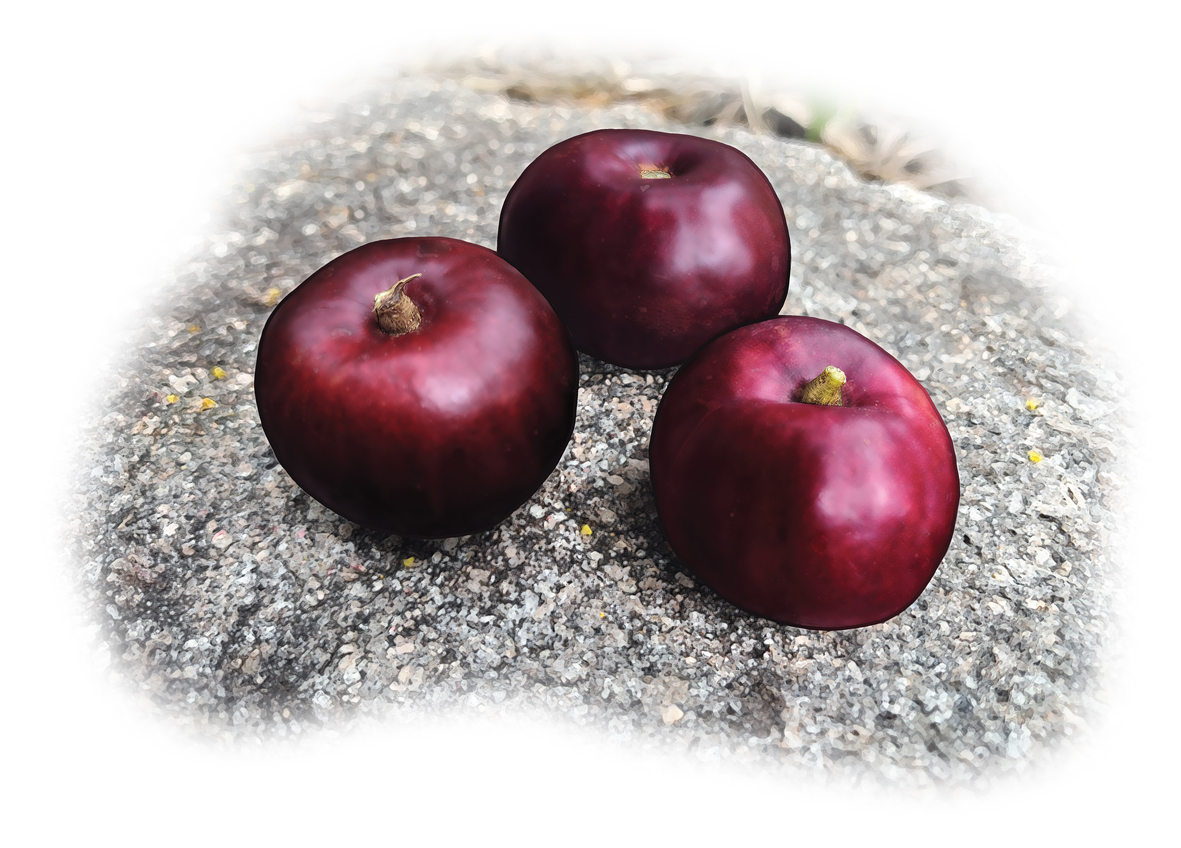
Naguba Burdekin plum.
Photo credit: Illustration Mari Loi © Queensland Government
Bush stone-curlew
Burhinus grallarius
With their haunting call, bush stone-curlews are a harbinger of bad news in Wulgurukaba culture.
Curlews are a warning bird. When you hear a particular unearthly call, sung over and over, it signals that one of your family has passed.
Chris George, Wulgurukaba Elder
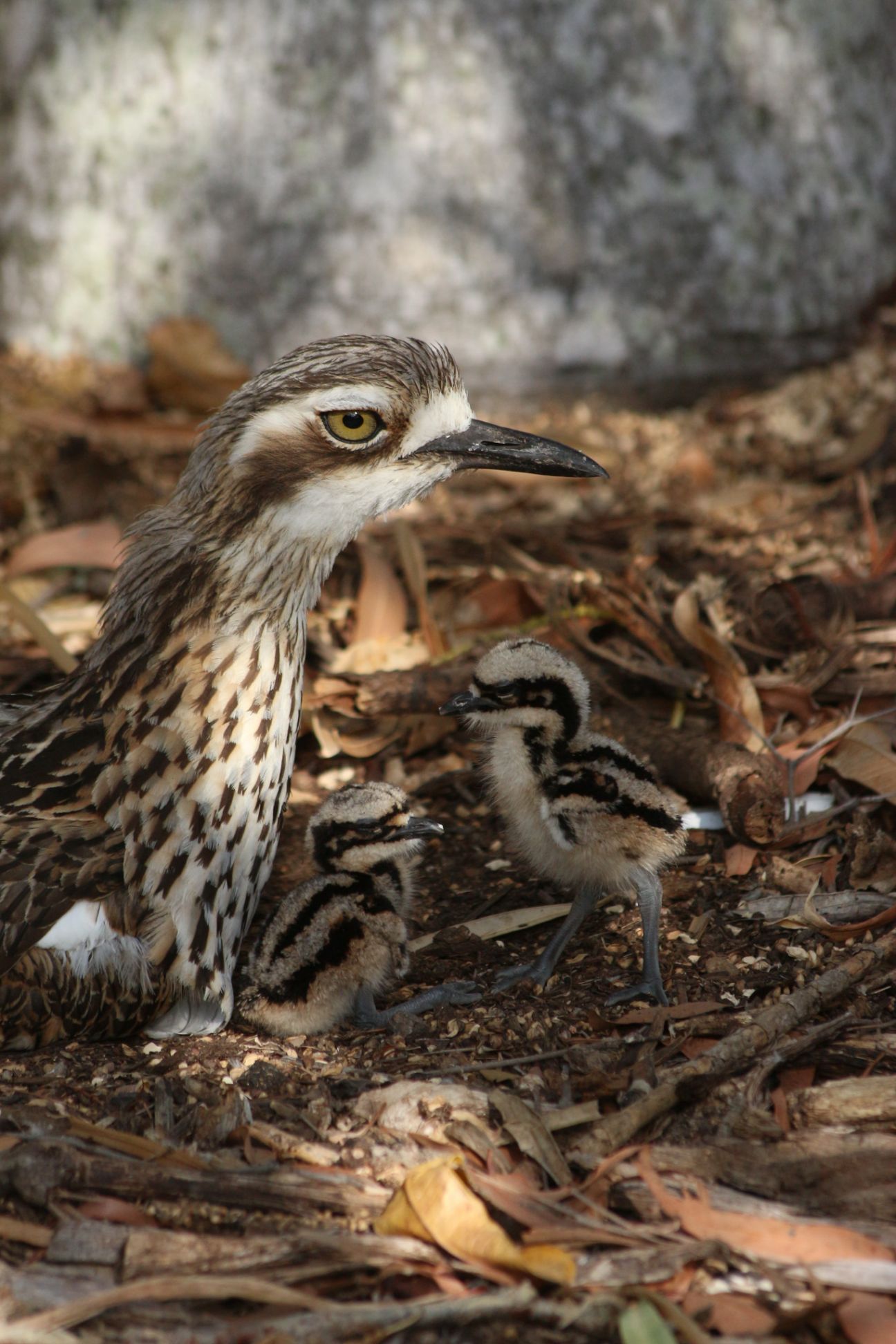
Bush-stone Curlew with chicks.
Photo credit: © Andres Zimny
Beach bean vine
Canavalia rosea
Beach bean vine is a vigorous creeper that blankets the dunes and beaches on Yunbenun.
We crush young leaves to stun fish in the water. Crushed leaves are also used to treat jellyfish stings.
Chris George, Wulgurukaba Elder
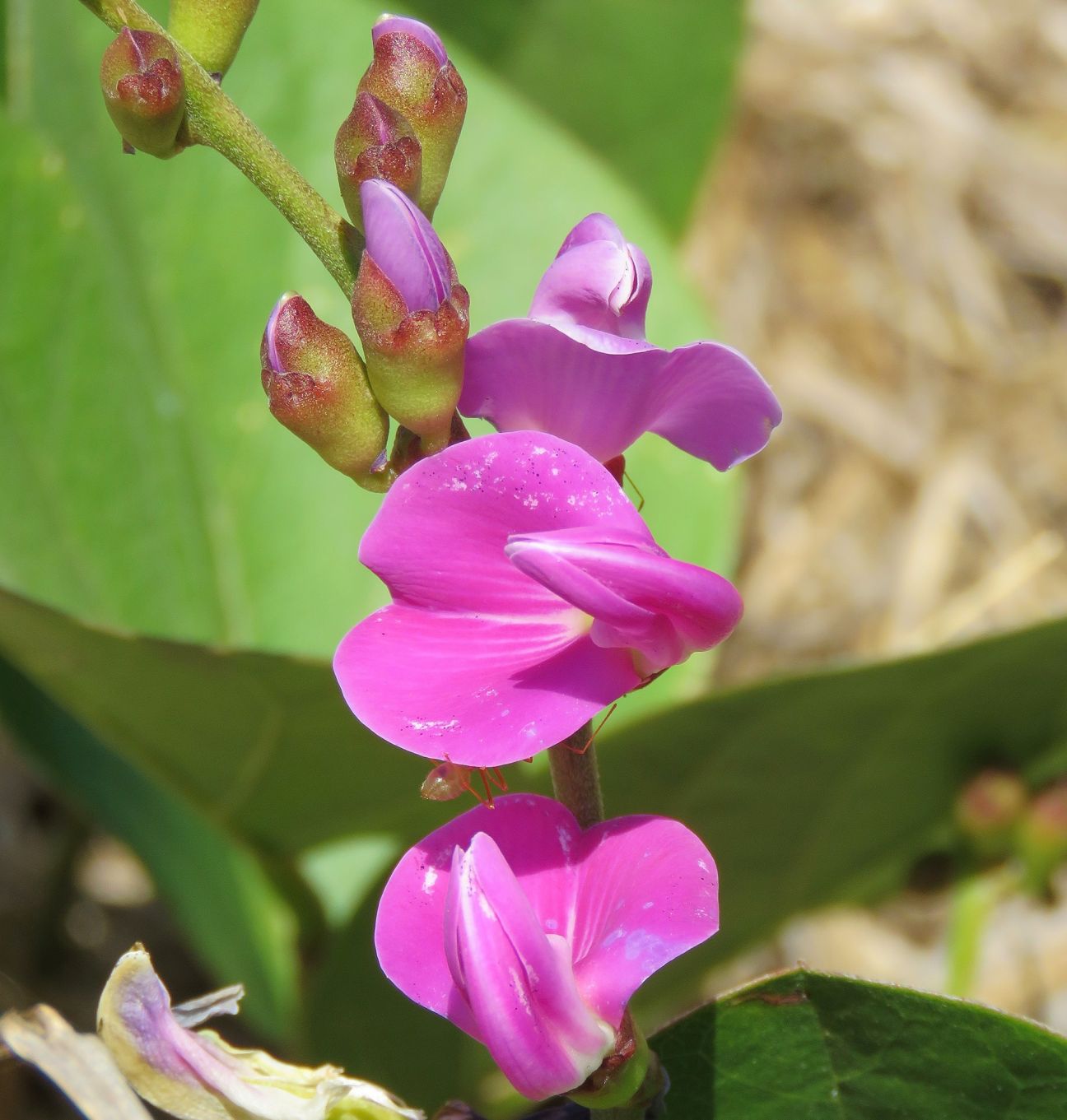
Beach bean vine flower.
Photo credit: © Tim Dickson
Mudhuun and gumunbaygan Crabs and oysters
The bush tucker on the island is plentiful. You can get sand crabs, mud crabs from the mangroves and mangrove oysters.
Chris George, Wulgurukaba Elder
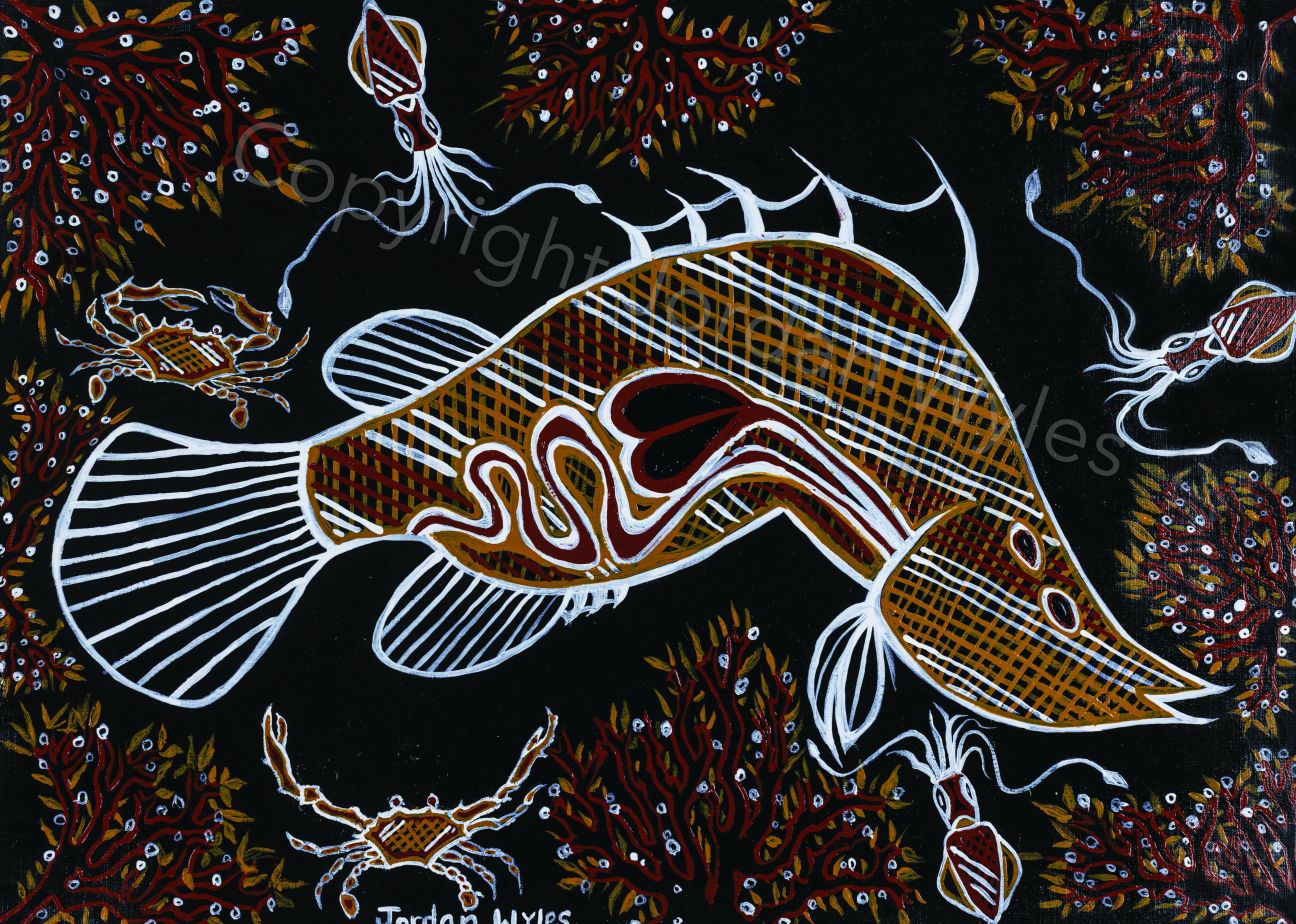
Mujurra and Bugurga.
Photo credit: © Artist, Jordan Wyles 2024
Noni fruit
Morinda citrifolia
Also known as rotten cheese fruit for its smell, noni fruit packs a powerful medicinal punch. The fruit, juice, seed, leaf, bark and root have antioxidant, antimicrobial, anti-cancer and anti-inflammatory properties.
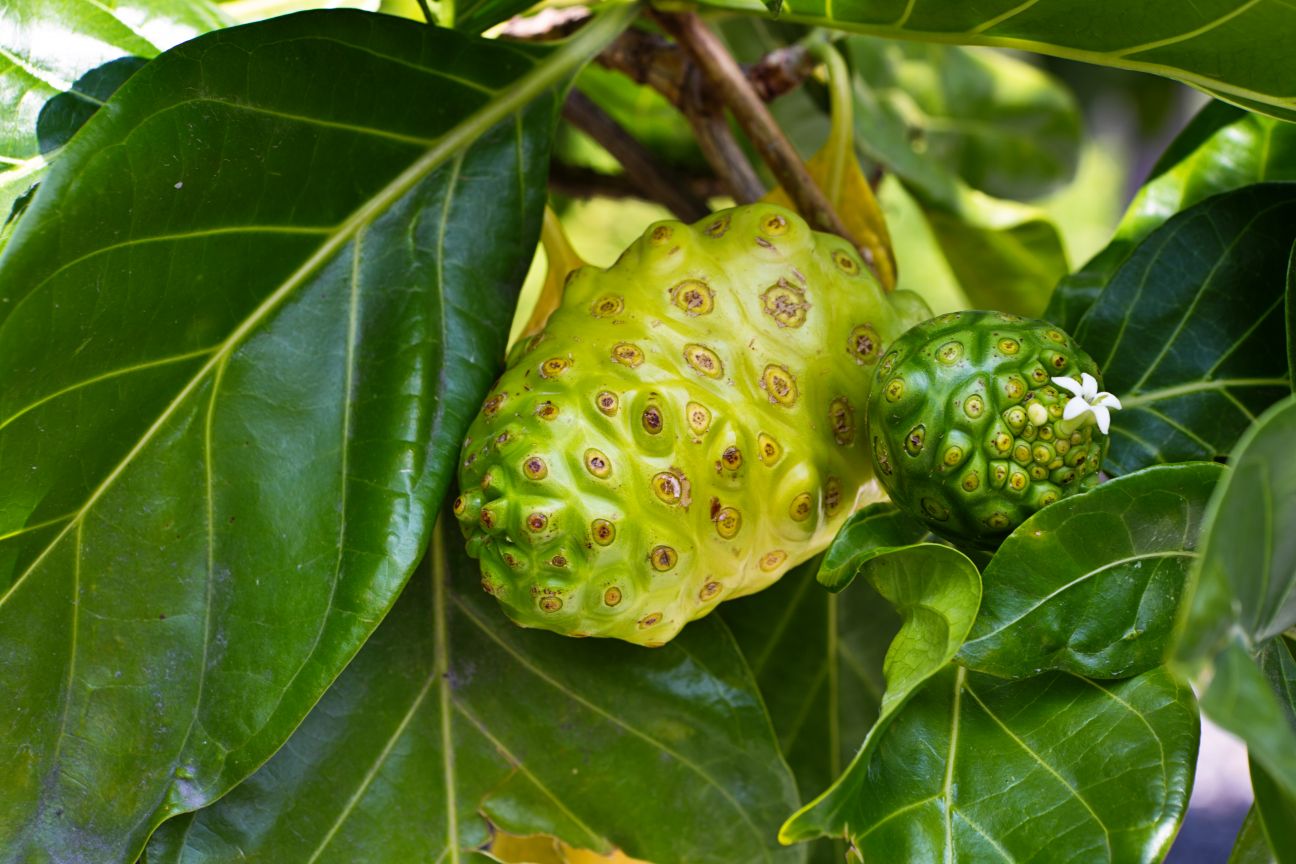
Noni fruits.
Photo credit: © YinYang
Gubul Short-beaked echidna
Tachyglossus aculeatus
Gubul was a highly prized food. Spear barbs were made from the quills of echidna, as well as bones from stingrays, emu, kangaroos and wallabies.
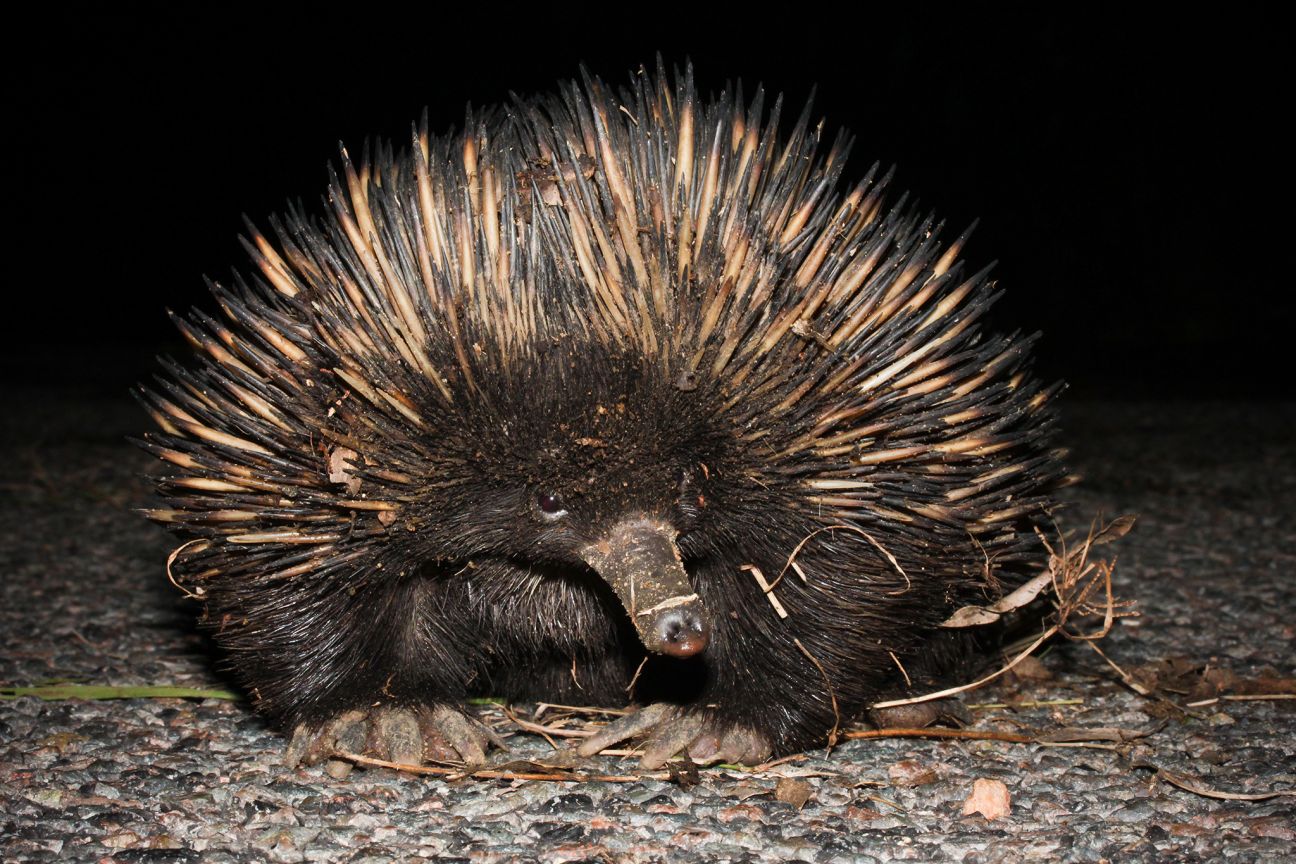
Echidnas are most active at night time.
Photo credit: © Anders Zimny
Gagabara Grass tree
Xanthorrhoea johnsonii
Gagabara is a plant for many purposes. The lightweight flower spikes were used as spear shafts. Flour is made from grinding the seeds, and the small white flowers make a sweet drink when soaked in water.
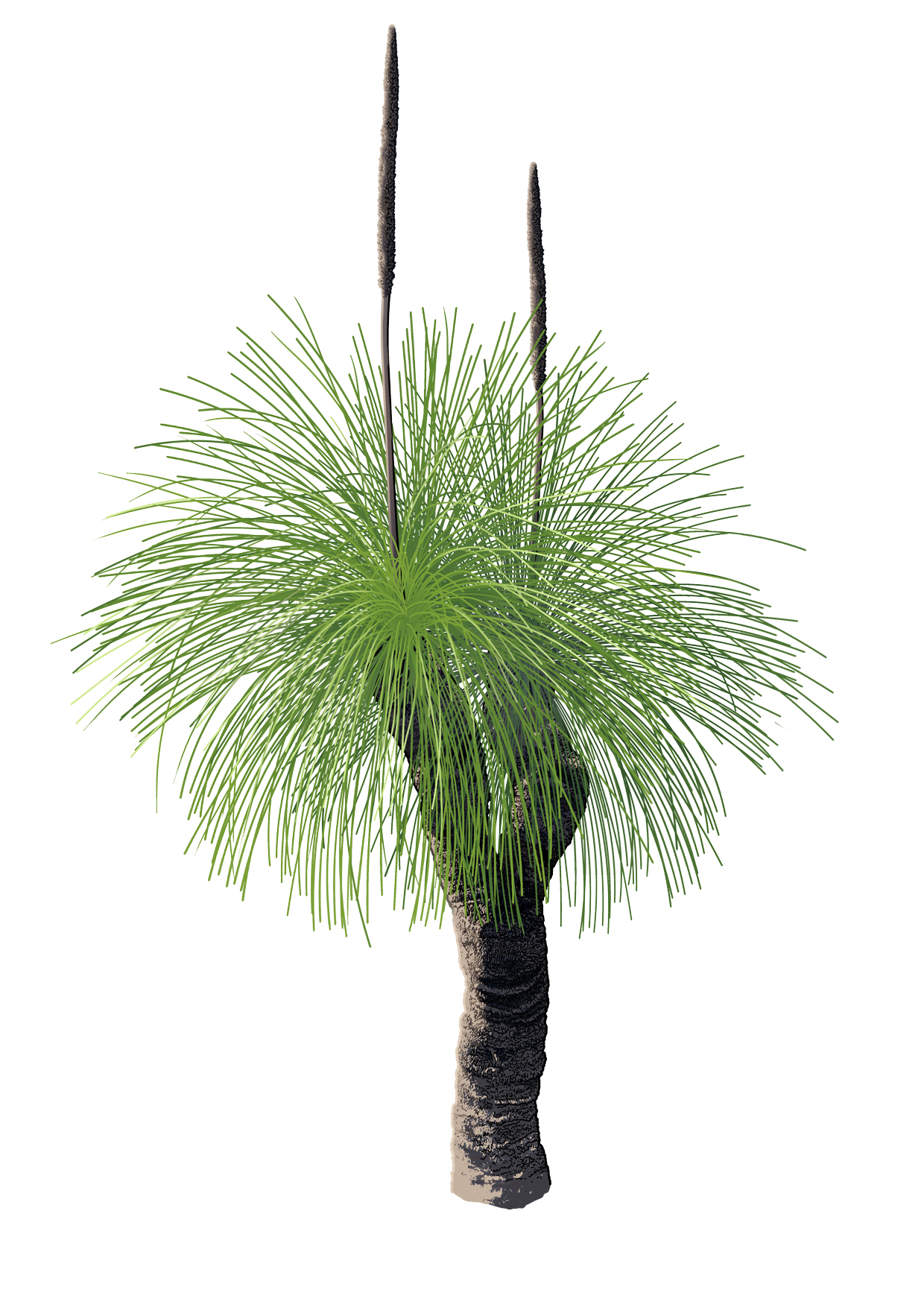
Gagabara Grass tree.
Photo credit: Illustration Mari Loi © Queensland Government
Barul Bush peanut
Sterculia quadrifida
With a taste similar to commercial peanuts, barul is a tasty snack. Bright orange-red pods open to reveal small black seeds, which are peeled and eaten raw.
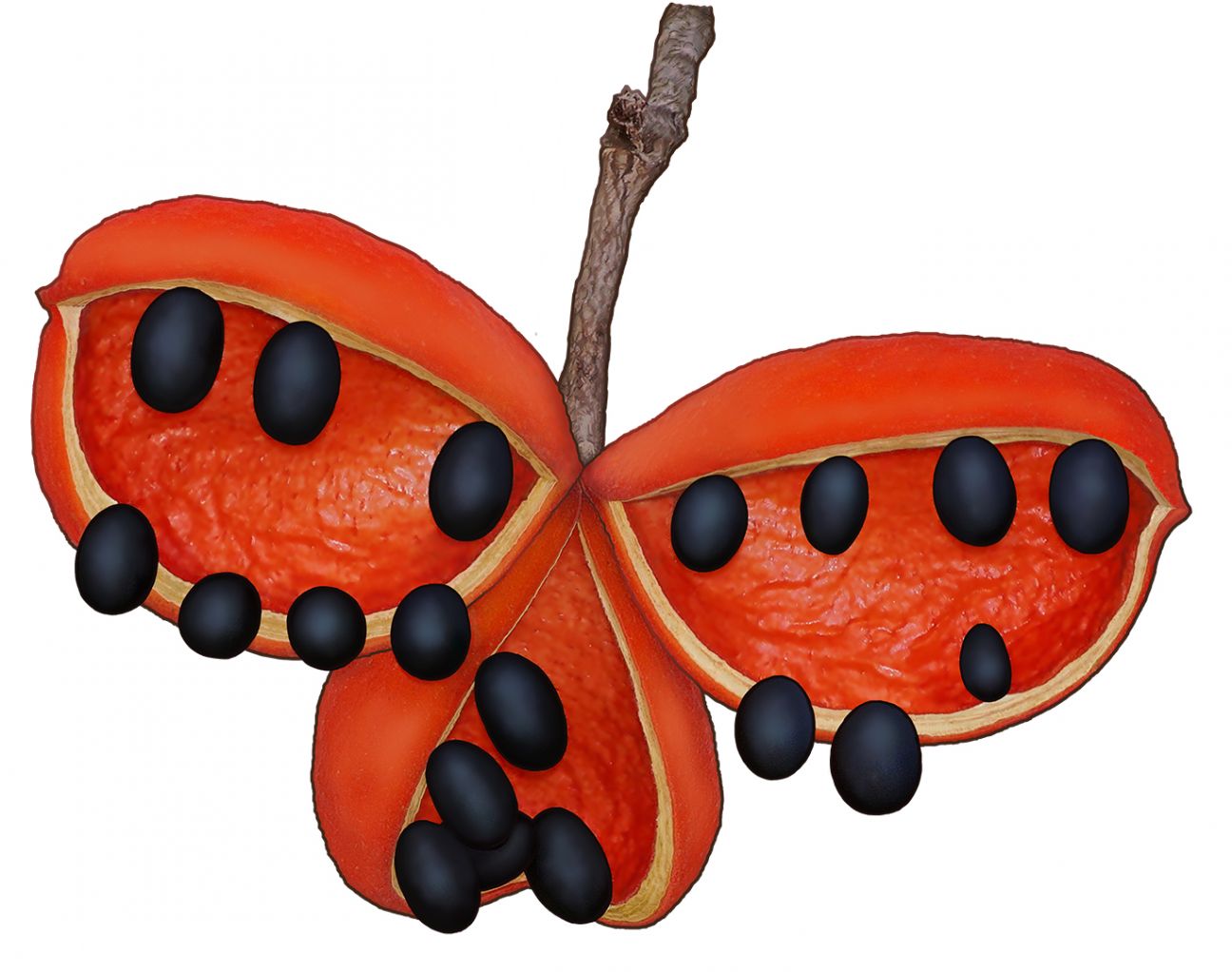
Barul Bush peanut.
Photo credit: Illustration Mari Loi © Queensland Government
Gingila Moreton Bay ash
Corymbia tessellaris
The hard wood from Gingila is used to make a range of wooden tools, including boomerangs, shields, spears, nulla-nullas, coolamons and woomeras.
People who come to this Country should show respect for this Country and look after it, care for it and make sure that they're going make it better.
Gail Ambrym, Wulgurukaba Elder
Information on this web page embodies the cultural knowledge of the Wulgurukaba People, included with the consent of the custodians of this community. Some information has been sourced from the Garabarra ethnobotanical trail at Jezzine Barracks.
Artwork acknowledgements
‘Creation Carpet snake Gabul’ © Artist, Kenneth Newman 2023
The creation story of the serpent is woven throughout the country. The serpent descended through the north tropical coastlands and the sea, shaping the landscape by creating rivers, hills, mountains and valleys. In its journey, its body left a lasting imprint, with its head now residing on Magnetic Island – Yunbenun.
‘Country under Yunbenun’ © Artist, Maya Johnson 2023
In the fabric of Yunbenun Country, this piece unfolds a vivid portrayal of sea life, a dance beneath the ocean where our Wulgurukaba sea animals hold secret cultural knowledge.
“I would like to acknowledge all Wulgurukaba Ancestors and Elders, who have passed down our cultural knowledge in art, culture, language and belonging. This artwork is dedicated to my grandparents, Arthur (Gungu) and Olive Johnson.”
Maya Johnson, Wulgurukaba artist
‘Mujurra and Bugurga’ © Artist, Jordan Wyles 2024
“I’m very proud to have my artwork used by QPWS on Wulgurukaba Country.”
Jordan Wyles, Wulgurukaba artist
Related stories
-
The Wulgurukaba people were forced to leave their Country and kin, being moved to missions and reserves across Queensland.
-
The Wulgurukaba people’s long journey for recognition and protection of their Country.
-
Wulgurukaba people’s perspectives of spiritual and cultural connection to County.