Counting Blackdown Tableland’s silver-headed antechinus
- Issued
- 14 May 2026
A QPWS survey checks in on one of Australia’s rarest carnivorous marsupials.
High on Blackdown Tableland lives one of Australia’s rarest carnivorous marsupials—a small, silver-faced animal the world didn’t even know existed until 2013.
It is about the size of a small rat. It has a soft silver-grey head and shoulders, large ears, dark alert eyes, and a face that can look either deeply serious or quietly unimpressed, depending on the angle.
This is the silver-headed antechinus (Antechinus argentus)—one of Australia’s rarest mammals, and one of the most remarkable little predators living in Queensland.
 Open larger image
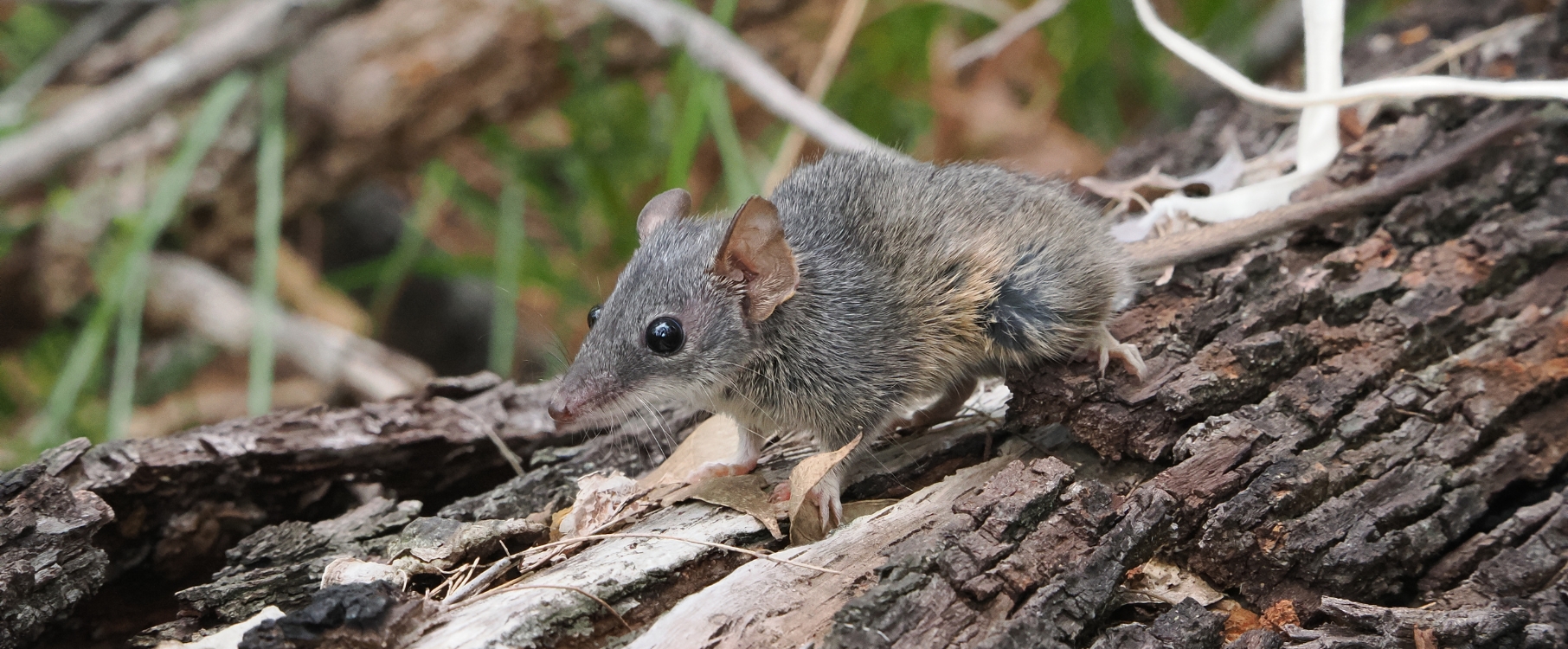
A silver-headed antechinus pauses among leaf litter and fallen wood, exactly the kind of intact ground-layer habitat the species depends on for cover and foraging.
Photo credit: Andrew Colvill © Queensland Government
Until 2013, the rest of the world did not know it existed as a distinct species.
Today, it is known from only three places on Earth: Kroombit Tops, Bulburin and Blackdown Tableland. All three are in central-eastern Queensland, and Blackdown marks the western edge of the species’ known range.
This March, Queensland Parks and Wildlife Service Rangers spent a week at Blackdown Tableland National Park checking in on this endangered marsupial.
The news is encouraging.
A case of mistaken identity
For decades, the silver-headed antechinus was grouped with its more common cousin, the yellow-footed antechinus.
But fresh eyes—and DNA evidence—told a different story.
Researchers from the Queensland University of Technology (QUT) recognised the silver-headed antechinus as a separate species, one of five new antechinuses named by the same lab in just four years. It was a reminder that even in a country as well studied as Australia, some native mammals can still be hiding in plain sight.
By 2018, only a few years after it had been formally described, the silver-headed antechinus was listed as Endangered under the Commonwealth Environment Protection and Biodiversity Conservation Act 1999 (EPBC Act).
It had barely been given a name before it was recognised as being at risk.
That makes every confirmed population important.
What the 2026 survey found
The 2026 monitoring survey was the first time Blackdown’s silver-headed antechinus population had been counted entirely from within the national park, building on a longer history of QUT-led research.
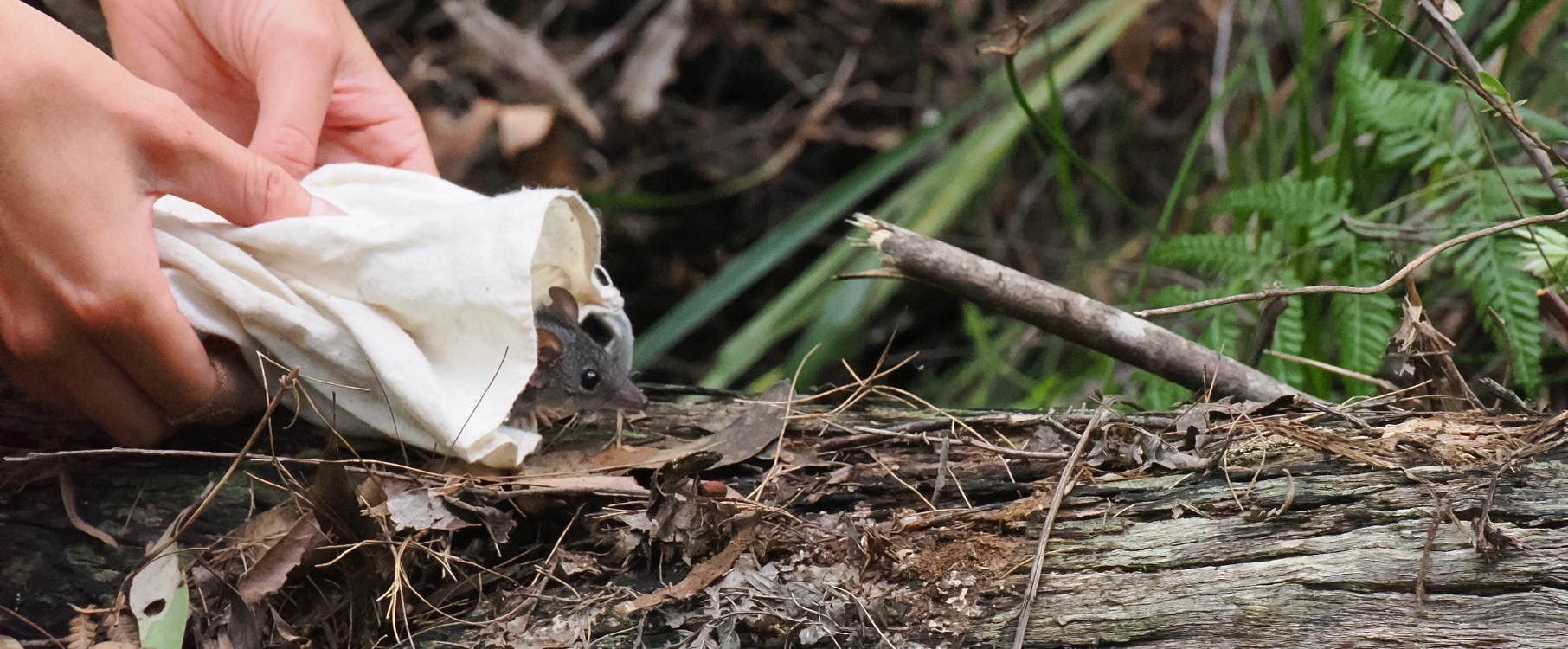
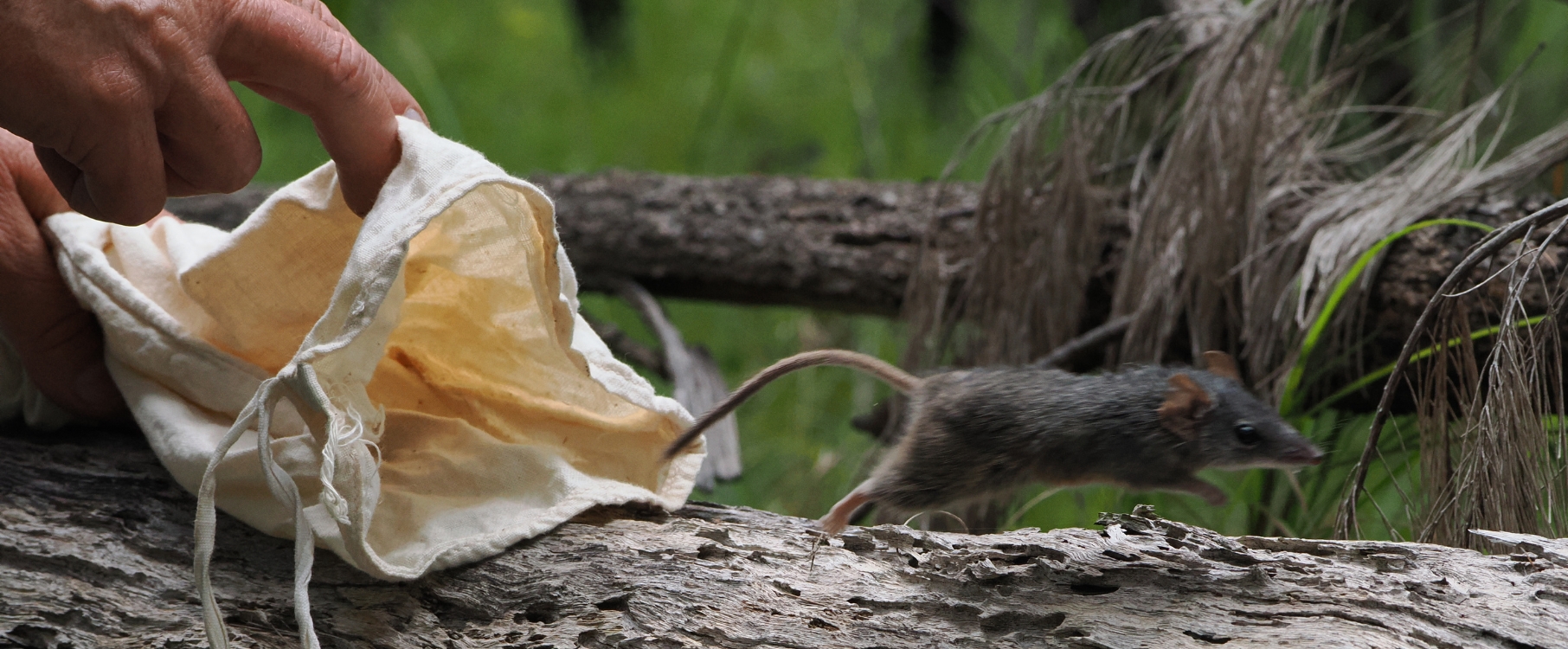
Over the course of the week, animals were briefly weighed and sexed where possible, then released at the same location where they were found.
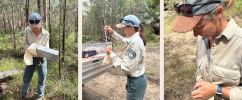
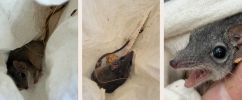
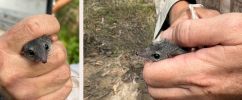
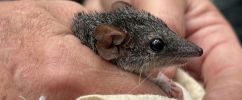
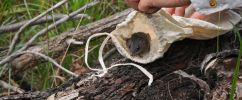
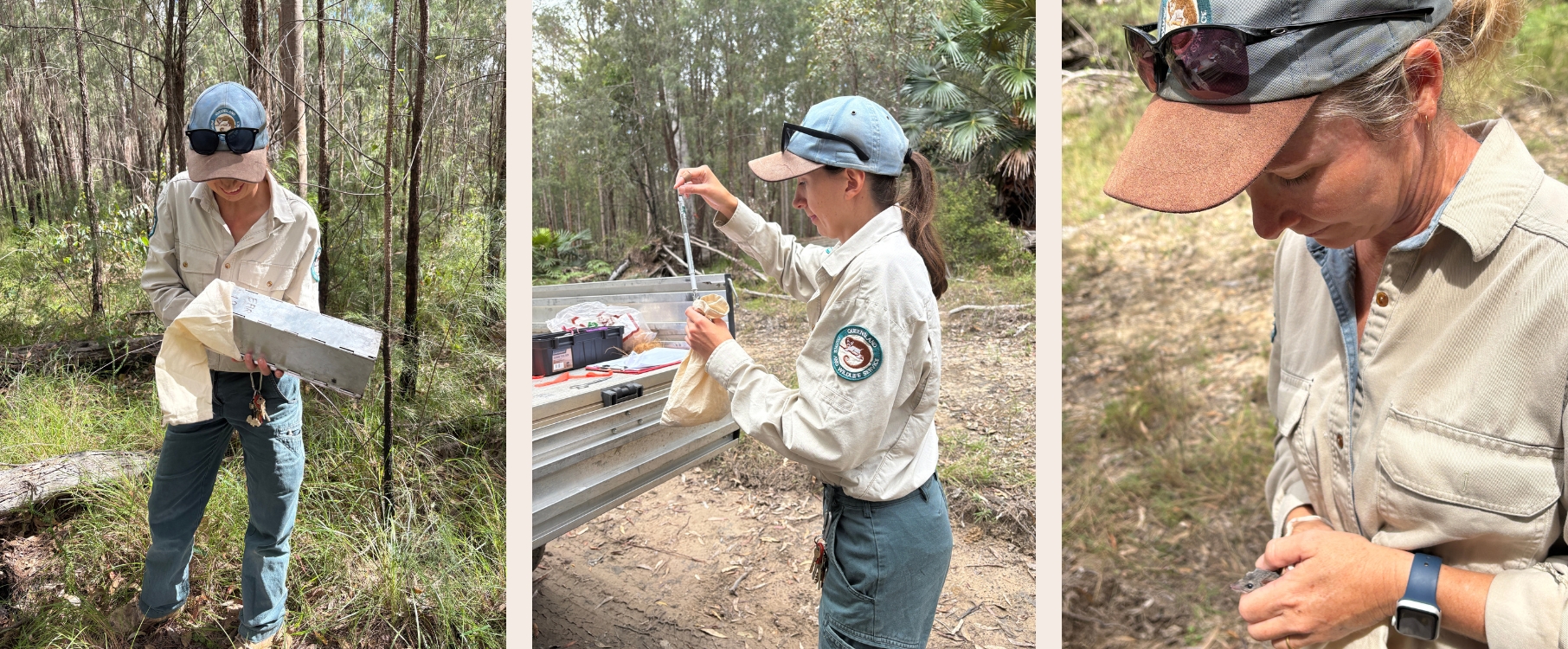 Photos showing adult silver-headed antechinus (Antechinus argentus) being carefully handled by Rangers for a quick weight, sex and photograph before being released back at the point of capture.
Photo credit: Leanne Henry & Kira Young © Queensland Government
Photos showing adult silver-headed antechinus (Antechinus argentus) being carefully handled by Rangers for a quick weight, sex and photograph before being released back at the point of capture.
Photo credit: Leanne Henry & Kira Young © Queensland Government
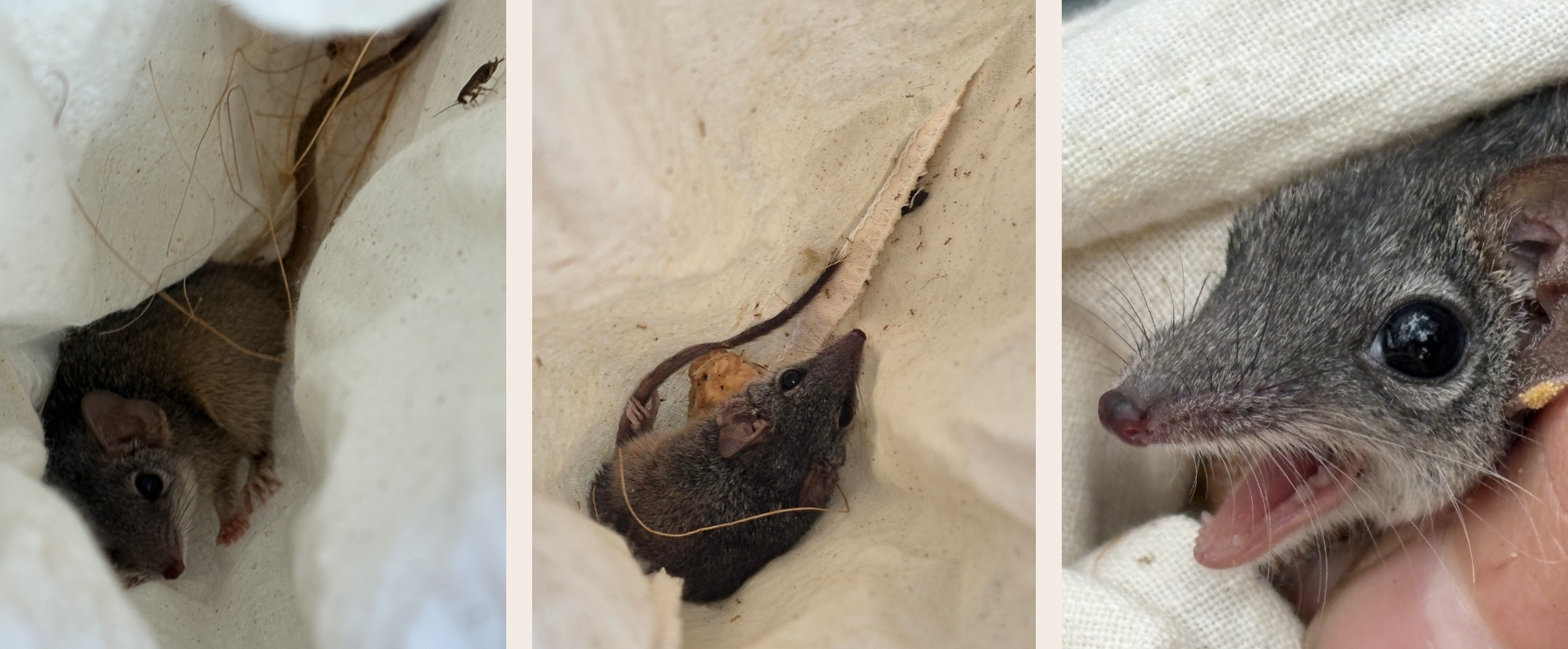 Photo credit: Leanne Henry & Andrew Colvill © Queensland Government
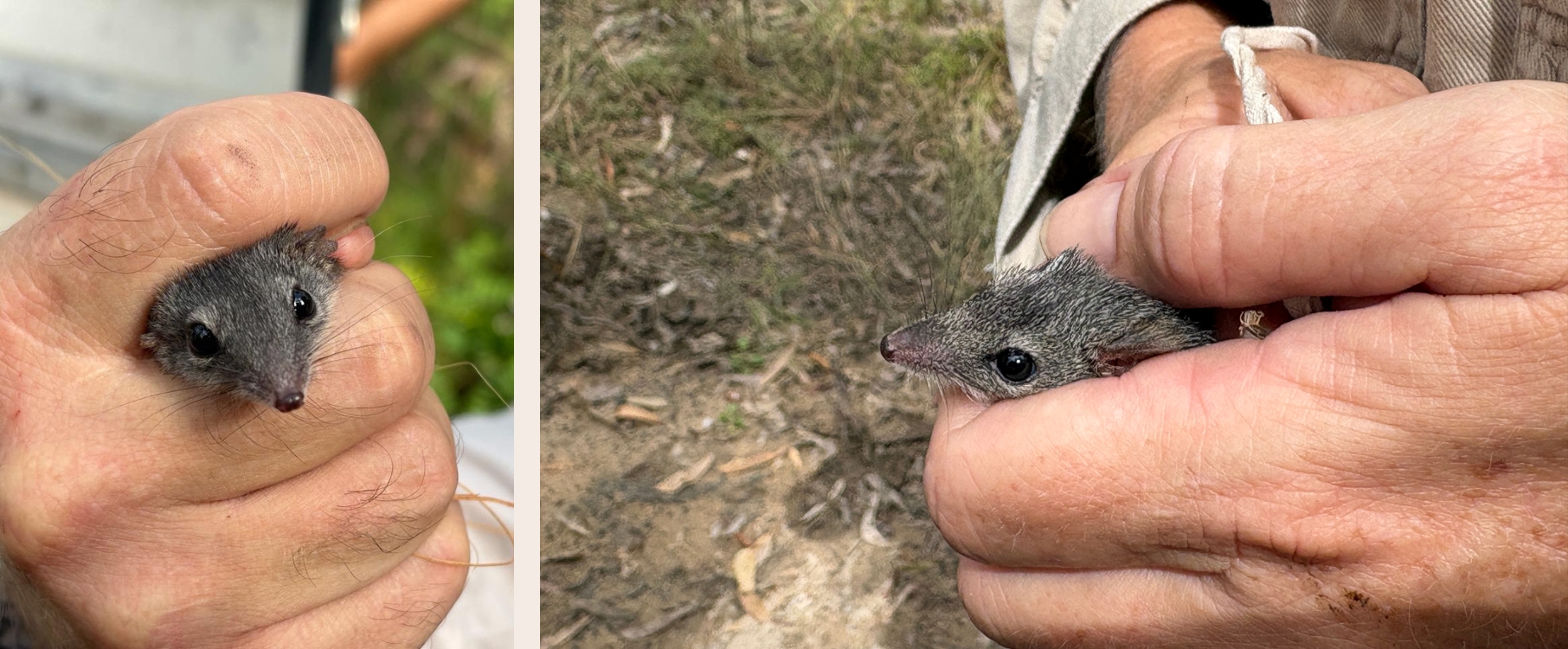 Photo credit: Leanne Henry & Andrew Colvill © Queensland Government
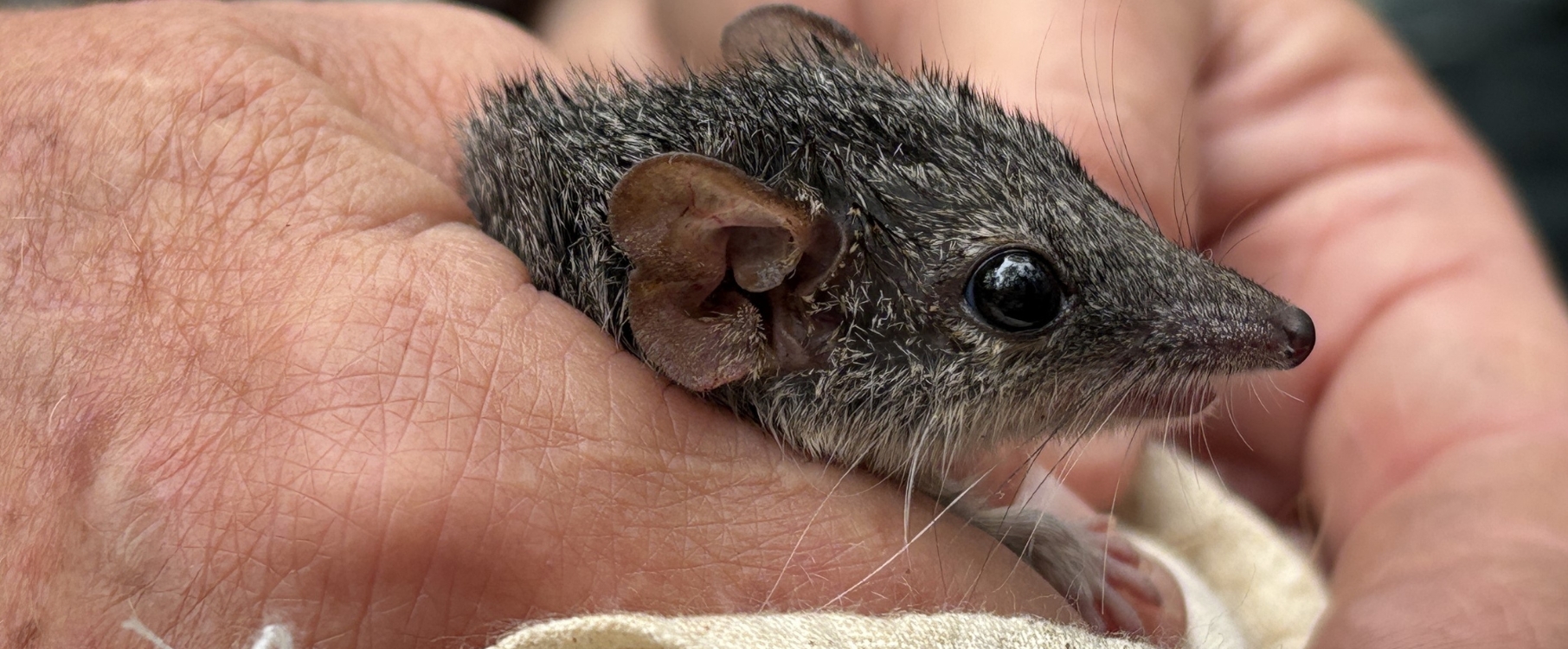 Photo credit: Leanne Henry © Queensland Government
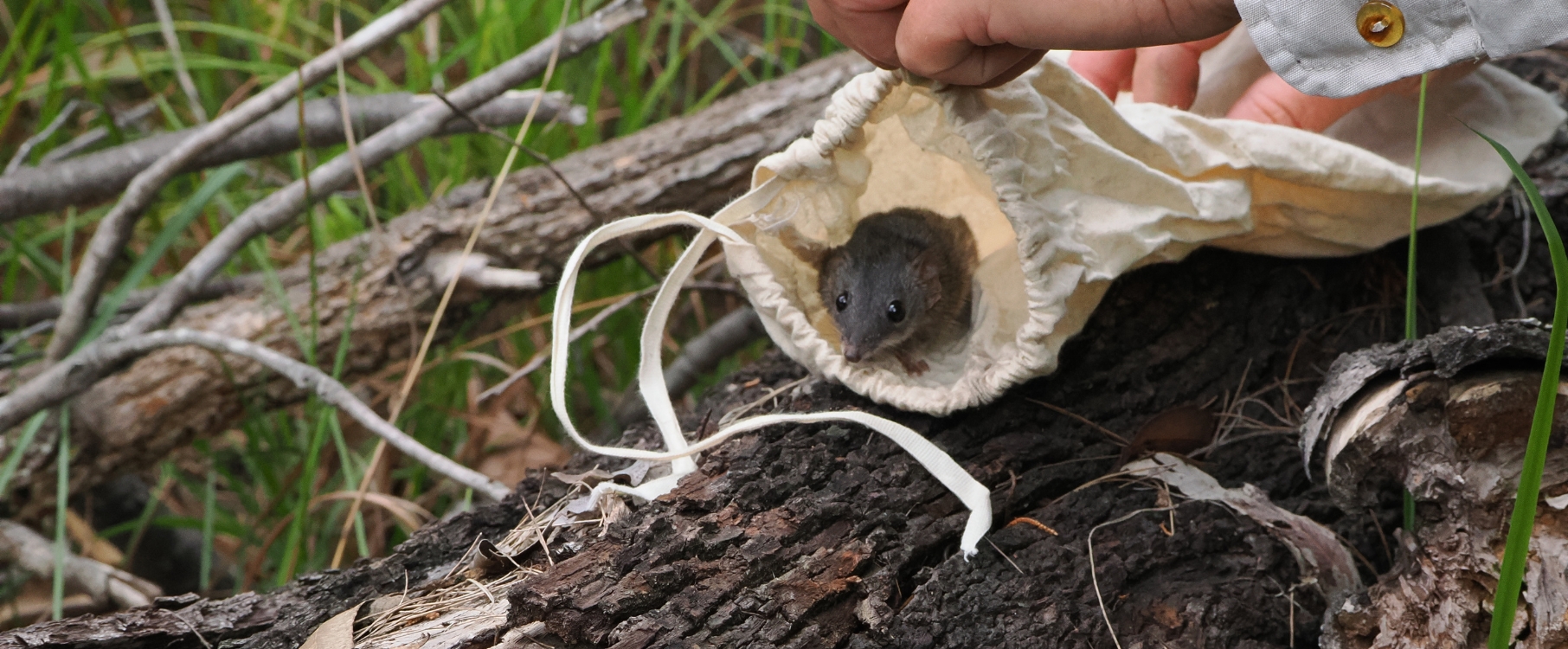 Photo credit: Andrew Colvill © Queensland Government
In total, Rangers recorded 16 new individuals across the survey:
- 9 males
- 6 first-year females
- 1 animal that escaped sexing
Importantly, the species was confirmed as present and breeding at both main survey sites.
For a rare, endangered mammal with such a limited known range, that matters.
A small marsupial with an extreme reproductive strategy
The silver-headed antechinus is not just rare. It is biologically extraordinary.
Antechinuses have one of the most extreme reproductive strategies in the mammal world.
Each year, they enter a short and intense breeding period. For the silver-headed antechinus, this occurs in late winter. Over roughly two to three weeks, males pour everything they have into reproduction.
Then, once the breeding event is over, all the males die.
Every single one.
Their bodies essentially collapse under the effects of stress hormones after this frantic reproductive effort. Biologists call this strategy semelparity—a one-shot approach to reproduction, where an animal breeds once and then dies.
It is extremely unusual among mammals. Antechinuses are one of the only mammal lineages in the world known to live this way.
Once the breeding event is over, the future of the population rests entirely with the females, now pregnant and carrying the next generation.
While most females will also die after weaning their young, a small proportion of them may survive and breed for a second time if conditions are favourable enough.
Why timing is everything
For antechinuses, breeding is tightly linked to the seasons.
Their breeding window is triggered by day length, which means it happens at the same time each year regardless of whether conditions are ideal.
Females need to wean their young at the exact time insect abundance peaks. But insect numbers are driven largely by rainfall.
When the rains arrive at the right time, females wean their young into a forest full of food.
When they don’t, a generation can be lost in a single bad season.
Climate, fire, flood and the need to keep watching
Central Queensland has had a remarkable run of weather in recent years — big wildfires, recurring floods, and the dry-then-wet whiplash that is becoming a more common pattern.
For a species whose breeding date is fixed by day length, but whose food supply depends on rainfall, climate variability presents a particular threat.
If the breeding calendar and the insect boom stop lining up reliably, weaning success will suffer. Long-term monitoring is how we'll know.
 Open larger image
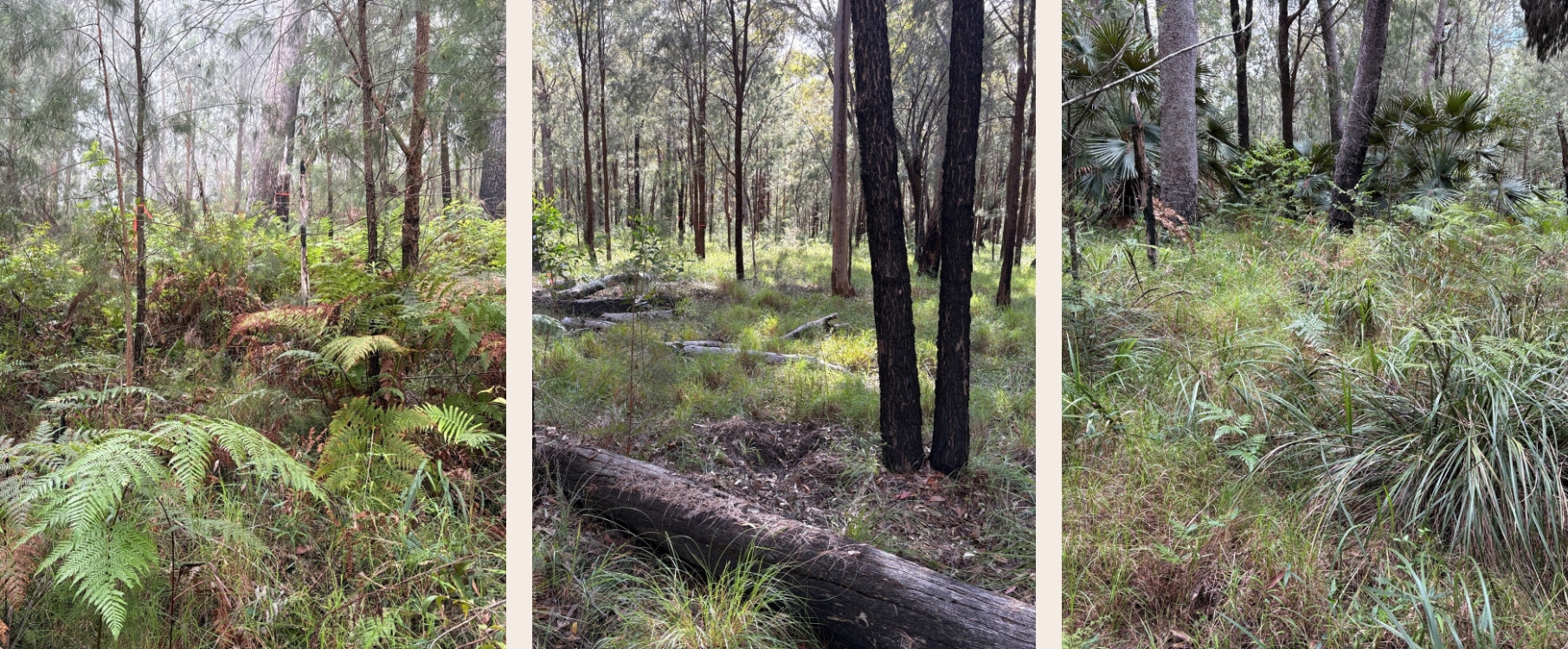
Three views of silver-headed antechinus habitat at Blackdown Tableland. The forests look different—denser fern thickets here, palms and grasstrees there, more open eucalypt with fallen logs in the third—but they share what matters: a structurally complex ground layer of cover, refuge and foraging space. That layered understory is what an antechinus needs to live and persist.
Photo credit: Leanne Henry © Queensland Government,
That is why the work at Blackdown Tableland is about more than counting small mammals. It is about understanding whether the systems they rely on are still working in time with them.
Annual monitoring will continue, alongside ongoing invasive pest management across the park.
Together, these actions give Rangers and researchers the information they need to track the species, protect its habitat and respond to emerging threats.
A quiet conservation win
For a species nobody knew existed 13 years ago, the silver-headed antechinus is doing better than it might be.
It now has a long-term plan to monitor it, a growing photographic record, and Rangers who have got to know one of Australia's rarest mammals up close.
A quiet kind of conservation win.
But it counts.
Read more about:
Recent articles
-
Image credit Lindie Pasma © Queensland Government![An aerial view of the Channel Country between Bedourie and Boulia after two big wet seasons — greener than it has been in years.]() The fire after the flood in Munga-Thirri National Park
The fire after the flood in Munga-Thirri National Park
Issued 15 July 2026
Green and lush views of Munga-Thirri National Park show how much heavy rain has transformed it in the last couple of years. But that abundance…
-
Issued 19 June 2026
To implement planned burns effectively in diverse environments, QPWS uses aerial ignition to reach large or inaccessible areas at optimal times for burning.
-
Image credit Steve Browne © Queensland Government![]() 5 things you didn’t know you could do at David Fleay Wildlife Park
5 things you didn’t know you could do at David Fleay Wildlife Park
Issued 19 June 2026
Tucked away in the heart of Burleigh Heads, just 15 minutes from Gold Coast Airport, 25 minutes from Surfers Paradise, and a little over an…