For thousands of years, First Nations peoples have proactively introduced fire into the Queensland landscape to achieve a range of desired outcomes.
For many First Nations people, fire is a teacher, a healer, and an important tool used to connect to Country.
We acknowledge the significant history of First Nations people's management of fire across their Country for over millennia and the intrinsic relationship between Traditional burning practices and Queensland’s landscapes and ecosystems .
Culturally-informed fire management
The continuation of First Nations culture, knowledge and practices is essential for effective land and fire management in Queensland.
This sentiment is woven into strategies, policies, guidelines and frameworks to ensure that Indigenous culture, heritage, knowledge, and values are respectfully and effectively considered in all aspects of QPWS fire management.
The Department’s bioregional planned burn guidelines have been informed by the shared knowledge and experience of First Nations peoples, and the principals of burning for ecological purposes outlined in the guidelines align with Traditional ecological burning practices.
The department’s Gurra Gurra Framework 2020-2026, provides the basis for co-designing the management of parks and forests, including culturally responsible and appropriate fire management.
As outlined in Queensland’s Protected Area Strategy 2020-2030, we are committed to supporting Connection to Country through genuine partnerships with First Nations peoples that remove barriers and supports First Nations peoples leadership in protecting and caring for Country. This includes all aspects of protected area fire management.
Working with our First Nations partners
We engage with Traditional Owners, Indigenous rangers and land managers to inform fire strategies and burn plans, including identifying culturally significant places in parks and forests and implementing plans to protect them.
We often work with Traditional Owners and Indigenous rangers to carry out planned burns and bushfire response operations in parks and forests, and undertake post-fire recovery and value assessment activities.
We support First Nations partners to lead joint and independent fire management activities through training opportunities and grassroots programs including the Queensland Indigenous Land and Sea Ranger Program.
QPWS partnered with the Queensland Fire Department to jointly deliver the Australian Women in Fire Training Exchange (AUS WTREX). with support from the Australasian Fire and Emergency Service Authorities Council (AFAC), WTREX and Fire Networks, as well as research partners Natural Hazards Research Australia and National Indigenous Disaster Resilience.
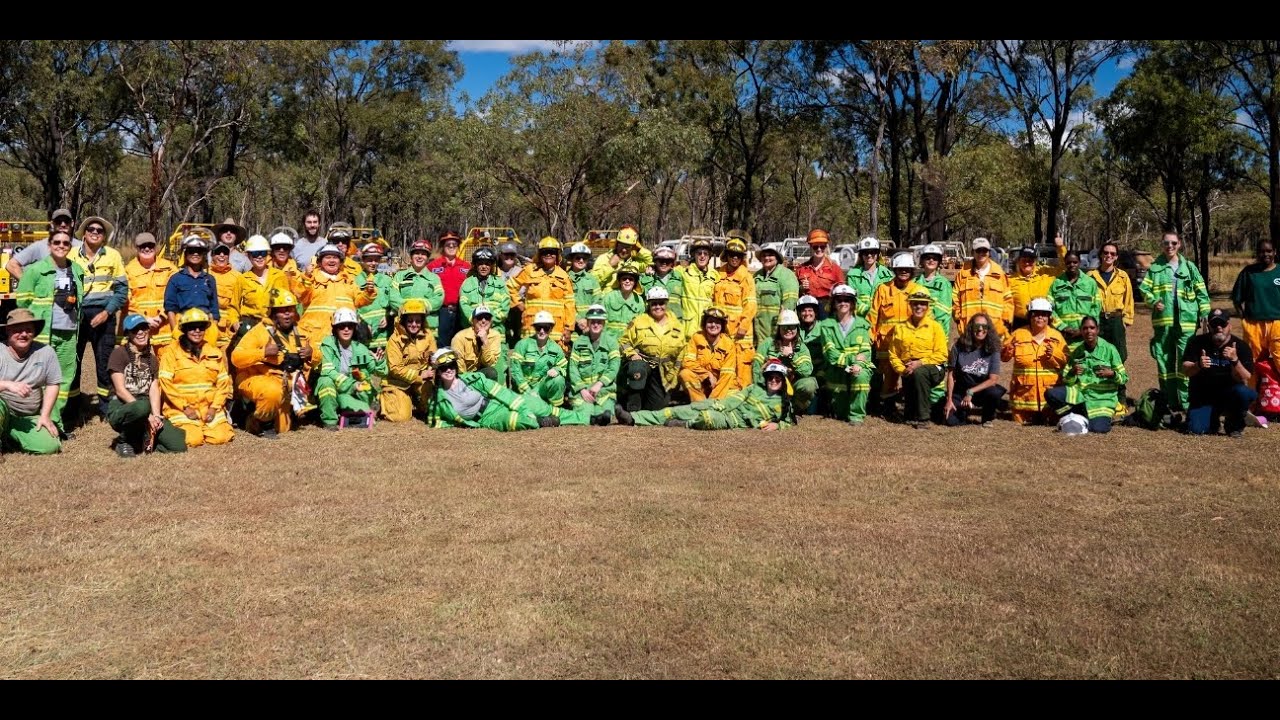 Australia's first WTREX event took place in beautiful Far North Queensland.
- 02:39
- Transcript available
After flying halfway across the world to California to participate in the Indigenous Women in Fire Training Exchange (WTREX) in 2022, Alex, Chloe and Kylee knew immediately they wanted to bring it back to Australia.
Joint management areas
Queensland has more than 2.5 million hectares under formal joint management between the State and the respective First Nations people.
Under these arrangements, First Nations people are freehold landowners under the Queensland Aboriginal Land Act 1991. The State maintains responsibility for protected area outcomes consistent with the Nature Conservation Act 1992, including fire management.
In these areas, joint decisions are made between QPWS and the respective Traditional Owner group or groups regarding when, where and how planned burns are done to achieve the best outcomes for the environment, cultural values and the community.
Supporting Cultural burning in national parks and State forests
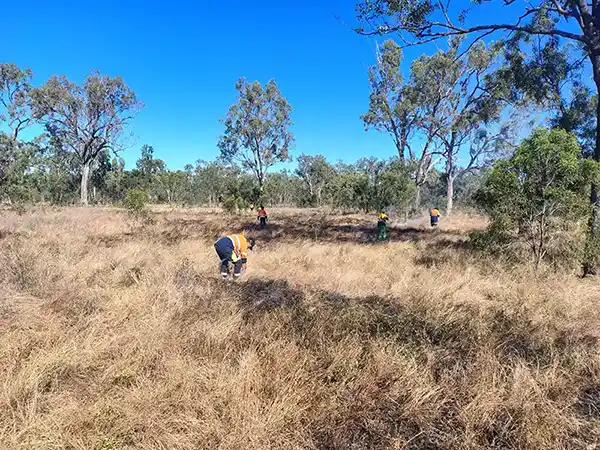
Traditional Owners from Barada Barna Aboriginal Corporation carry out cultural burns in Dipperu National Park (Scientific), near Mackay
Cultural burning is a form of planned burning, and the Gurra Gurra Framework promotes cultural fire management on parks and forests, for all purposes.
Cultural burns can be done for many different reasons including ceremonial, environmental and educational, and play an important role in continuing some of the oldest Traditional practices in the world.
We support cultural burns and Traditional fire management through a broad range of activities from consultation and sharing knowledge, interests and values, to increasing access to Country, to providing additional resources and notification about the implementation of burns by First Nations partners.
Partnering for better burn outcomes
Whether it’s a cultural burn, a planned burn for ecological purposes, or a hazard mitigation burn, collaboration leads to better fire management outcomes.
QPWS works collaboratively with a range of dedicated partners to deliver effective fire management and planned burns, ensuring the safety and health of Queensland’s unique landscapes, wildlife, and communities.
Read more about our partners in fire.