Not all fire is destructive
We’ve all seen the devastating impacts that intense bushfires can cause, wiping out habitats, threatening wildlife, and leaving ecosystems struggling to recover.
Planned burns, on the other hand, are different.
These carefully managed, low-intensity fires are designed to reduce the risk of bushfires and benefit the environment, rather than harm it. Conducted during favourable conditions , they move slowly, giving animals and even insects time to escape, while the flames remain low to the ground and cool enough to leave the roots of grasses, shrubs and trees unharmed.
Unlike the unpredictable and damaging nature of bushfires, planned burns are an essential tool for maintaining healthy ecosystems, protecting biodiversity, and ensuring Queensland’s landscapes remain balanced and resilient.
How planned burns help animals
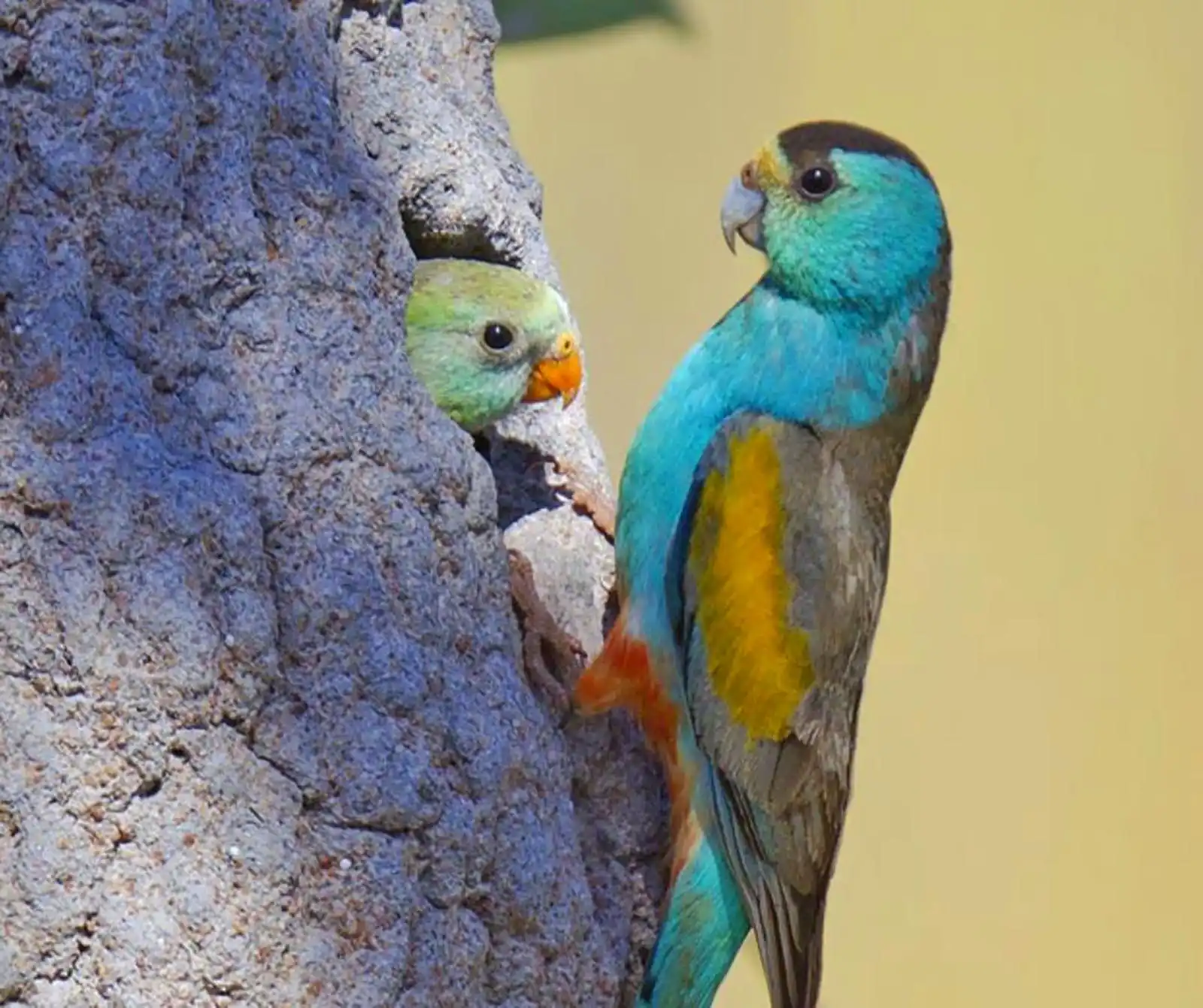
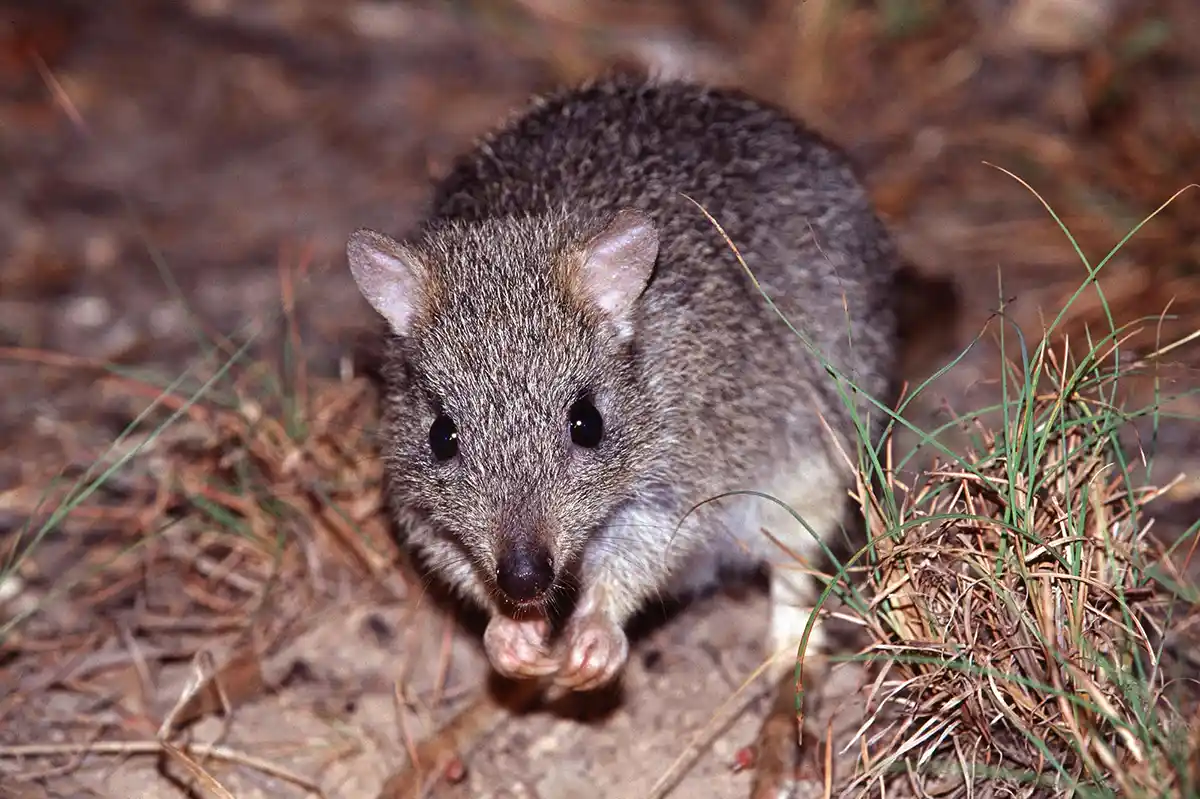
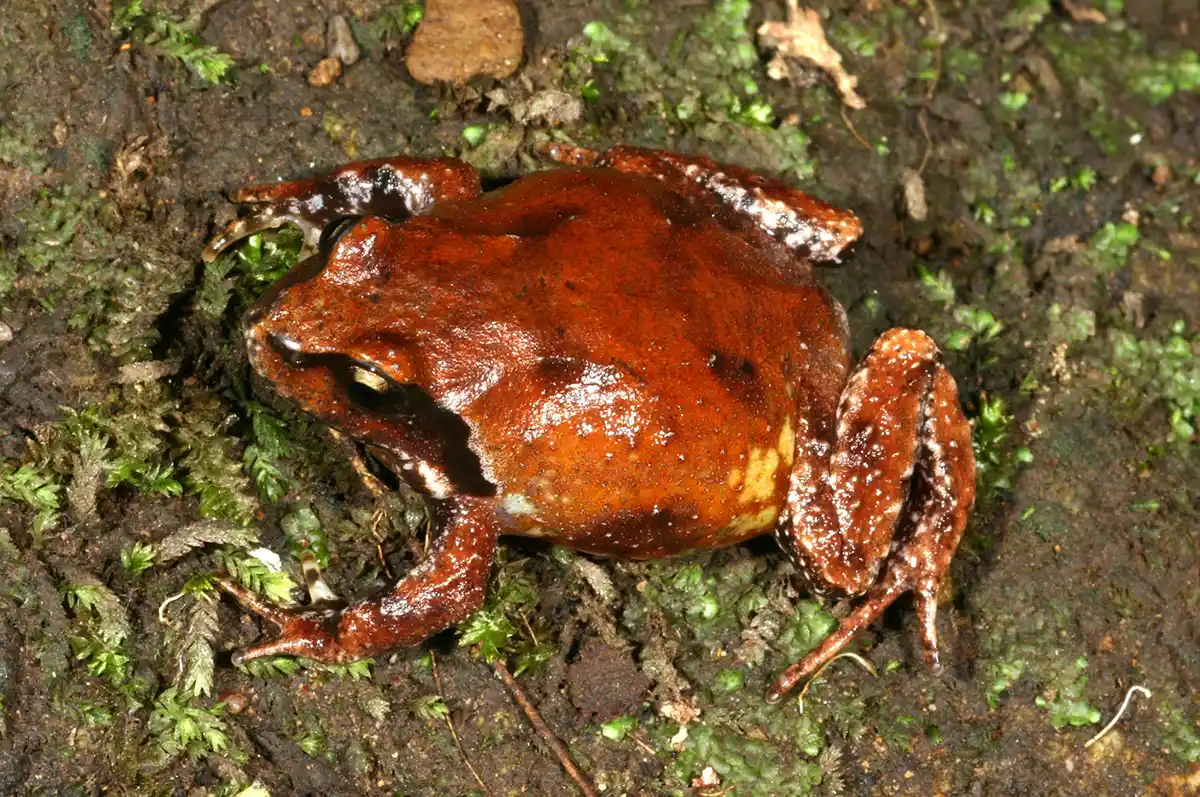
Did you know that planned burns can create safe havens for animals to find shelter and new habitats? Known as fire refugia, these are made possible through low-intensity burns, which create a mosaic of varying vegetation types and ages, supporting a wide range of native species, from ground-dwelling mammals to tree-dwelling marsupials and birds.
Without fire, some ecosystems, like grasslands and open woodlands, can become overgrown with invasive weeds, shrubs, and trees, reducing habitats for animals that rely on open spaces. By clearing dense vegetation, planned burns can reduce fuel loads that can make bushfires more intense and, in doing so, expose seeds and fresh growth that our native animals rely on for food.
Unburnt patches are always left as refuges, ensuring fire-sensitive vegetation and species are protected.
How planned burns help plants
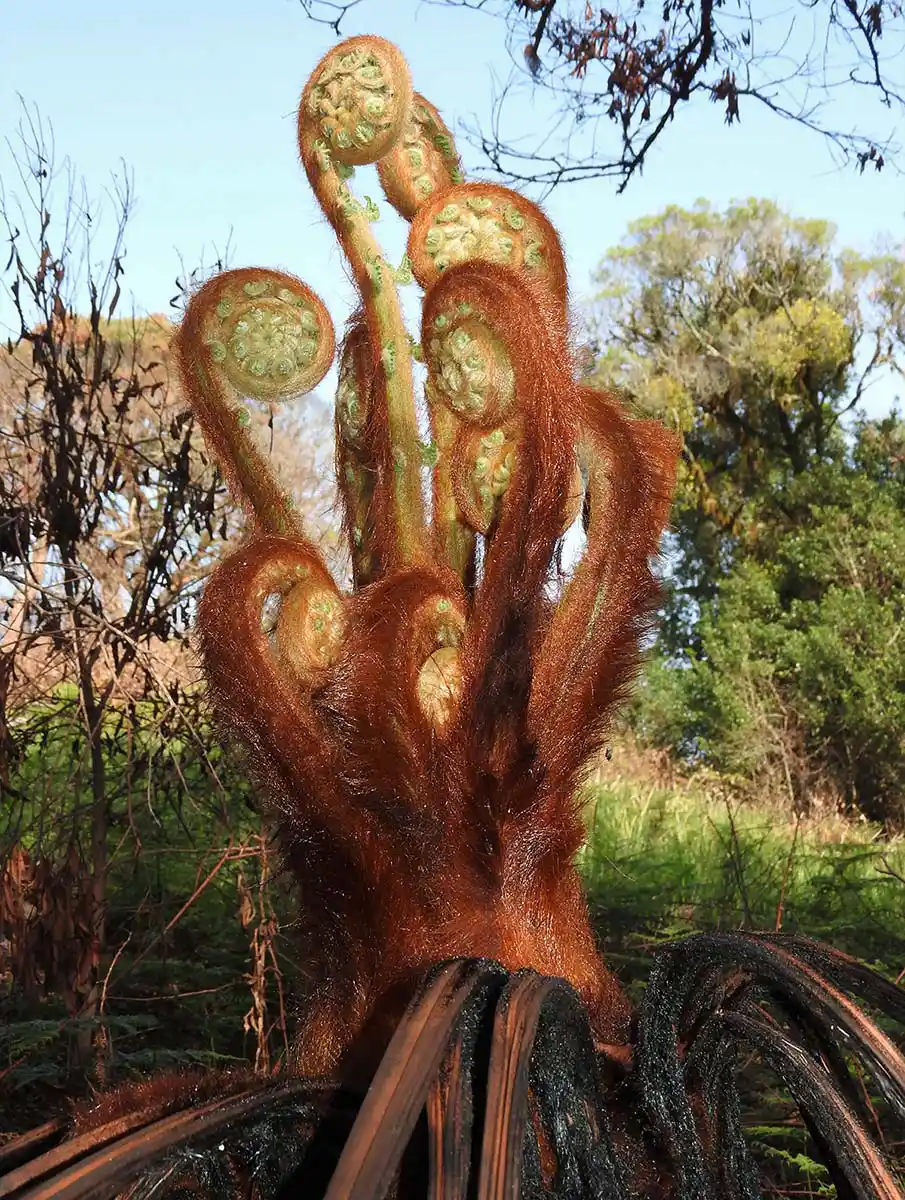
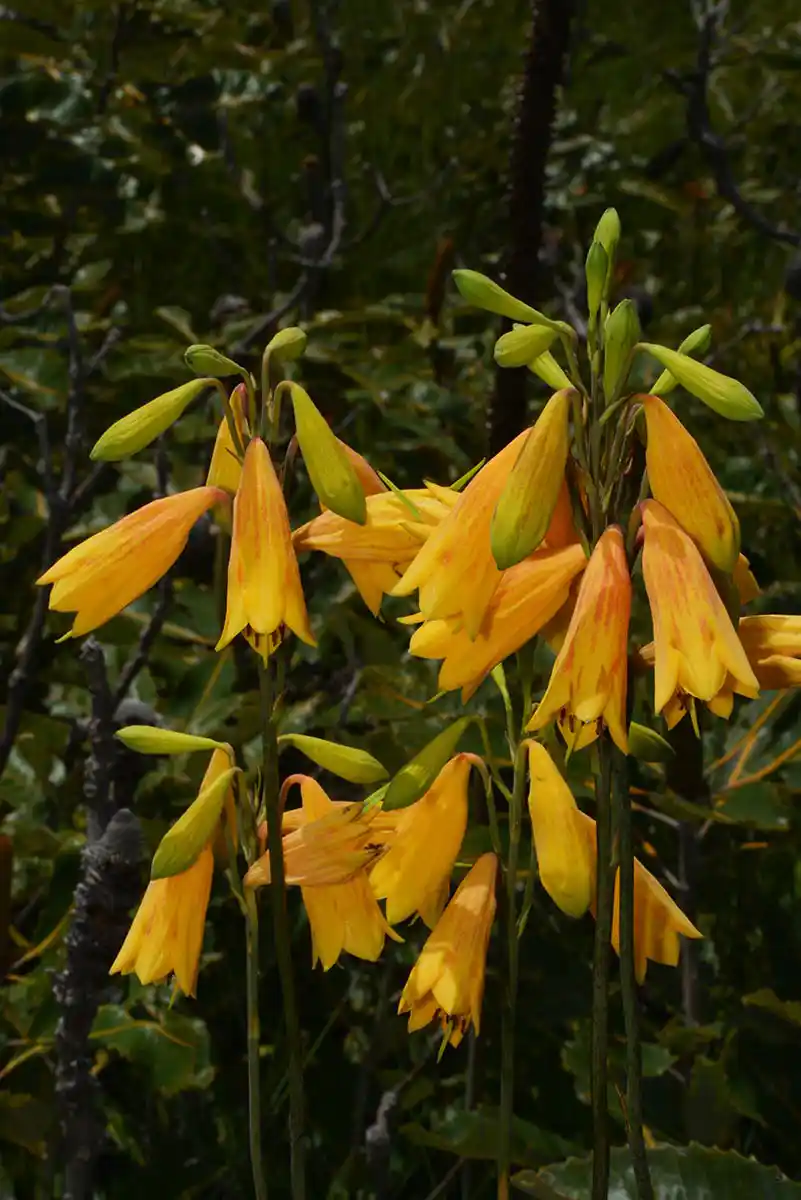
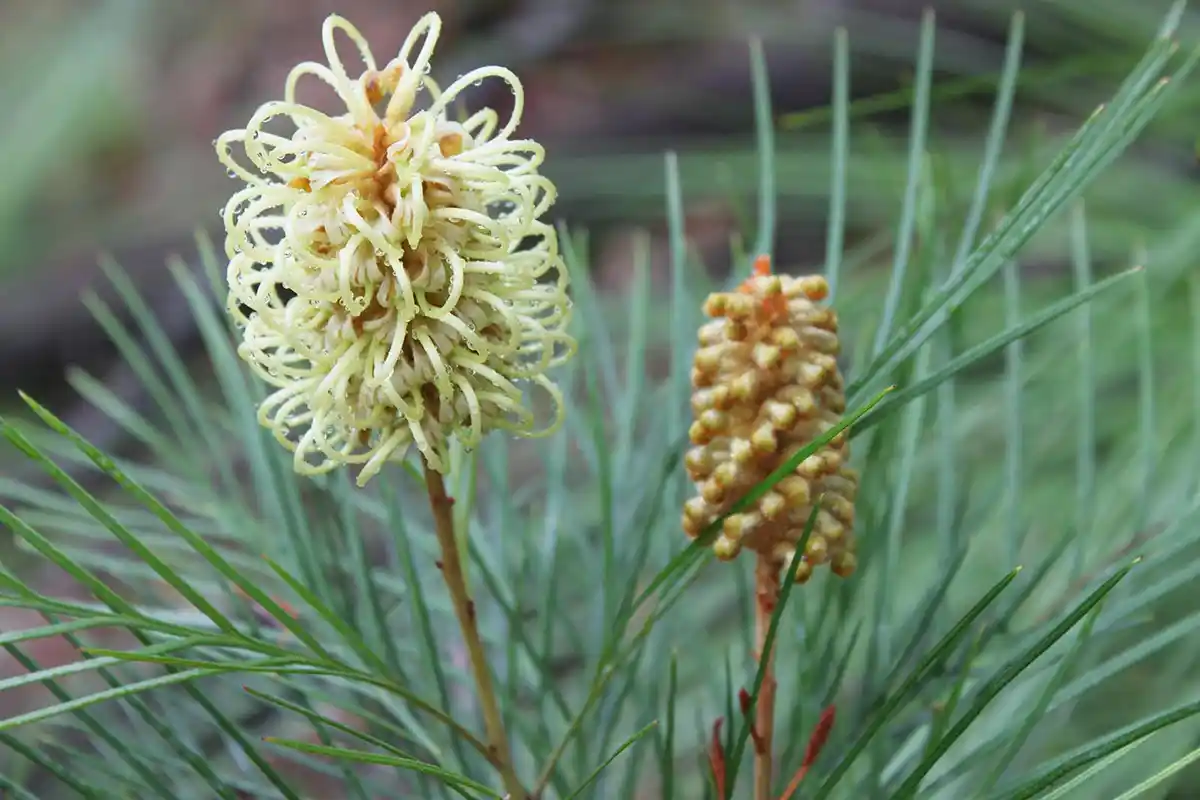
Most Queensland ecosystems have adapted to fire over time, with some of our native species even reliant on fire for survival.
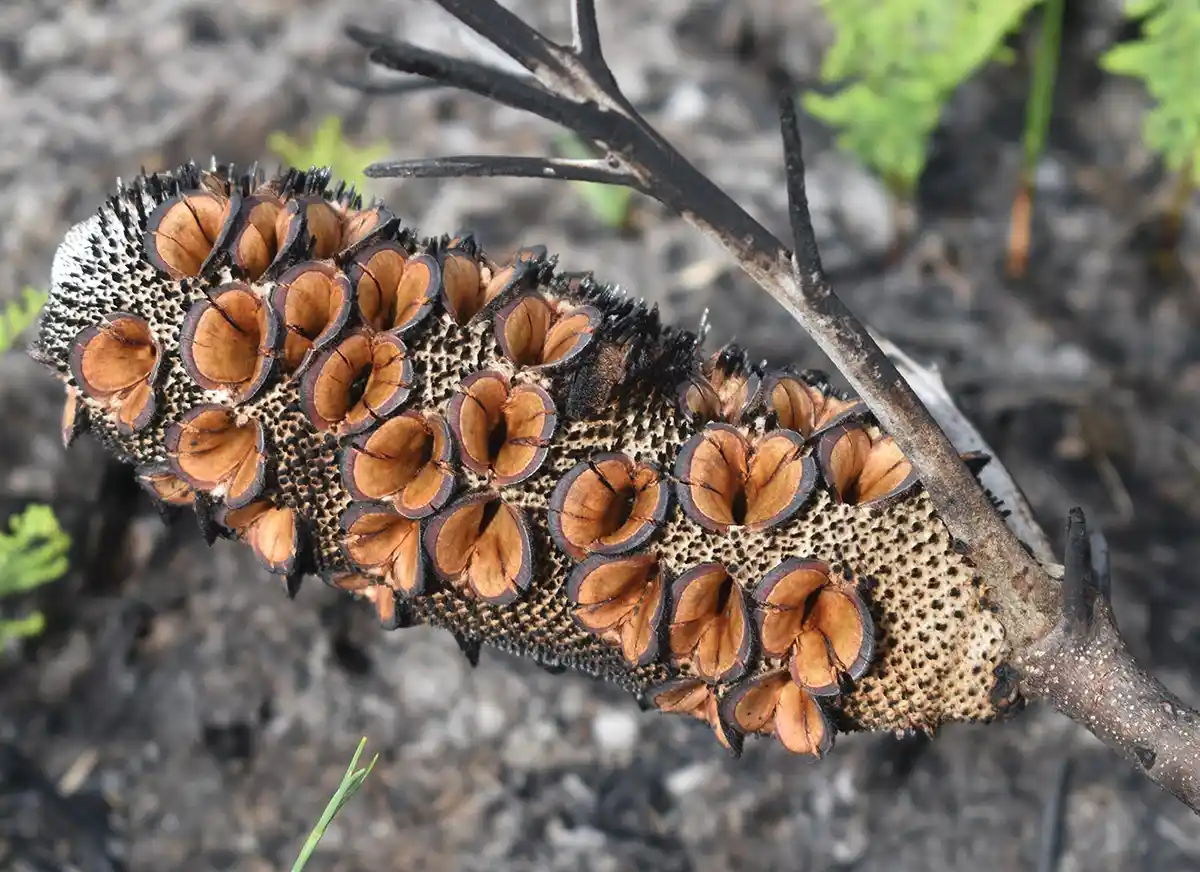
Low intensity fire can help regenerate plant species, restore and maintain ecosystems and can assist with pest management. The flush of nutrients left post-fire, along with sunlight and rain, make a perfect bed for seeds to germinate and perennial grasses to respond, providing food for wildlife. Many native plants have evolved seeds with hard outer shells to protect them during fire. The heat and/or smoke from the fire triggers their release or germination to take advantage of the suitable conditions.
Planned burns also help our ecosystems by clearing competing vegetation, weeds, and overgrown shrubs and grasses, creating space for new growth and reducing the risk of intense bushfires.
Mosaic burning patterns allow for the protection of the small number of species that are not fire adapted, particularly in highly fire-prone areas.
The role of fire in species and ecosystem conservation Carpentarian grasswren Amytornis dorotheae is an endangered species endemic to the southern Gulf of Carpentaria region in northern Australia. The species has declined, and populations are now fragmented due to extensive bushfires.
Carpentarian grasswrens are dependent on mature spinifex Triodia spp. hummock grassland. These communities are highly fire-prone and burn extensively without active fire management.
Carpentarian grasswrens can use habitat within three to four years post-fire. However, they probably require long-term fire refugia in the landscape for population persistence. Refuge areas likely provide the only reliable source for dispersal and recolonisation of burnt landscapes. Recolonisation of extensive areas that have experienced repeated homogenous fires is likely to be very slow because of the birds’ poor dispersal ability.
Active fire management is required to maintain unburnt refugia. This includes identifying likely habitat and applying fine-scale fire within it to prevent total combustion. Annual planned fire is also necessary in the broader landscape to provide a mosaic of age-classes and prevent broadscale, late dry season bushfires.
In Queensland, Boodjamulla National Park is the only protected area where Carpentarian grasswrens occur. The proactive late wet/early dry season burn program implemented since 2012 has created a mosaic of age-classes across the landscape, including relatively long unburnt refugia. Whilst bushfires still occur, they are now less extensive and add to the diversity of fire regimes occurring at the park. Ongoing monitoring of Carpentarian grasswrens shows the population at Boodjamulla is persisting and has the potential to increase in coming years.
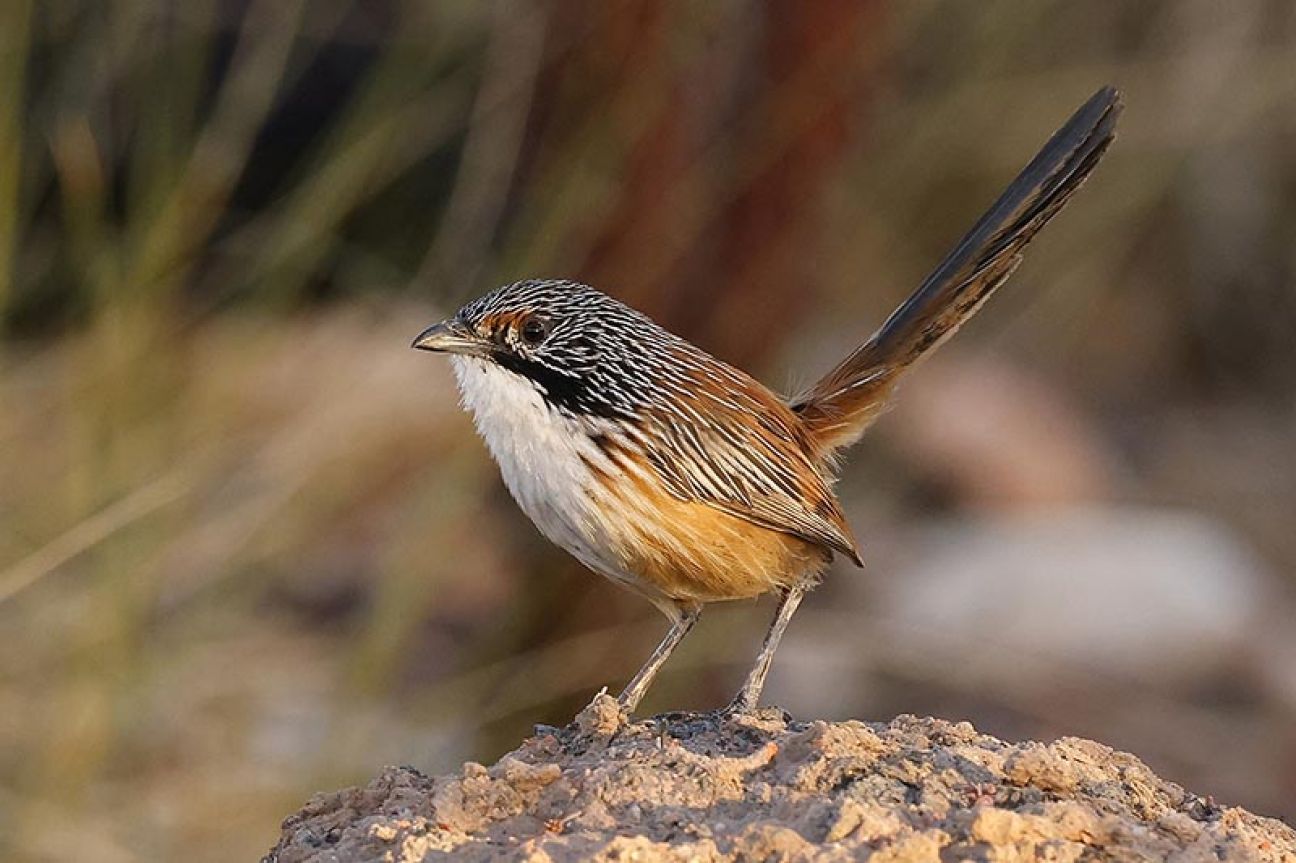
Carpentarian grasswren (Amytornis dorotheae )
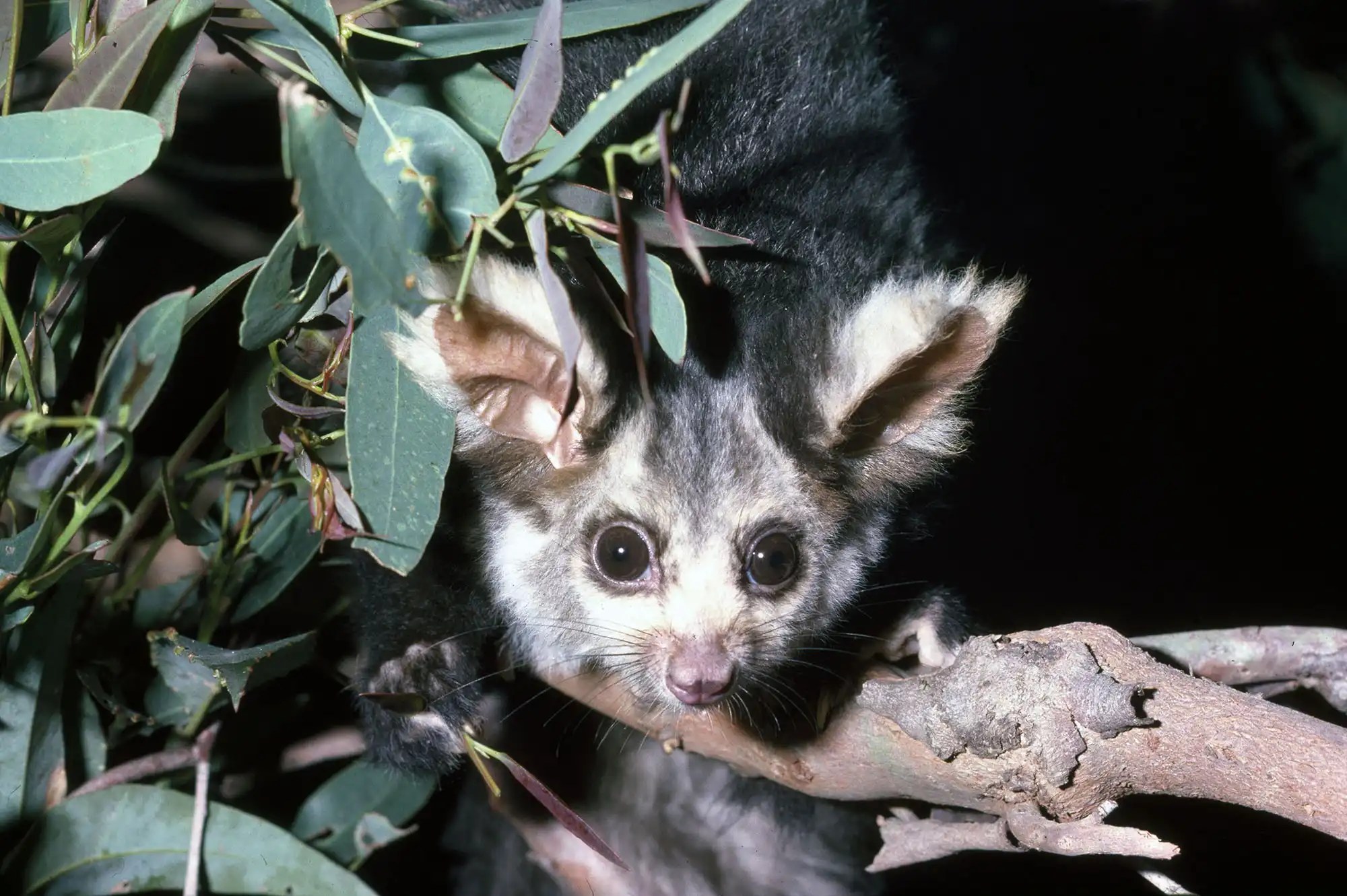
Two species of greater glider occur in Queensland’s eucalypt forests: the vulnerable northern greater glider Petauroides minor and the endangered central greater glider P. armillatus.
Greater gliders depend on hollow-bearing trees for shelter and breeding. The loss of this key resource has been closely linked to population declines. While vegetation clearing and timber harvesting are leading contributors to this threat, loss through planned burns and bushfires is also significant.
Fires that scorch or consume the canopy have at least short to medium-term negative impacts on greater glider occurrence. This is due to loss of food (i.e. eucalypt foliage) and reduced protection from predators (e.g. powerful owl Ninox strenua).
Post-fire recolonisation and repopulation by greater gliders can lag significantly behind the regeneration of their fire-adapted habitat. This is due to their low reproductive output (one offspring per year) and poor dispersal ability.
Understanding these threats to greater gliders reinforces the need to follow key principles of planned burning in forests, particularly:
- burning with sufficient soil and fuel moisture and appropriate prevailing weather to avoid canopy scorch and reduce the risk of fire at the base of hollow bearing trees
- raking litter away from the base of hollow-bearing trees may be warranted, especially along roads used for ignition and in small parks with a logging history.
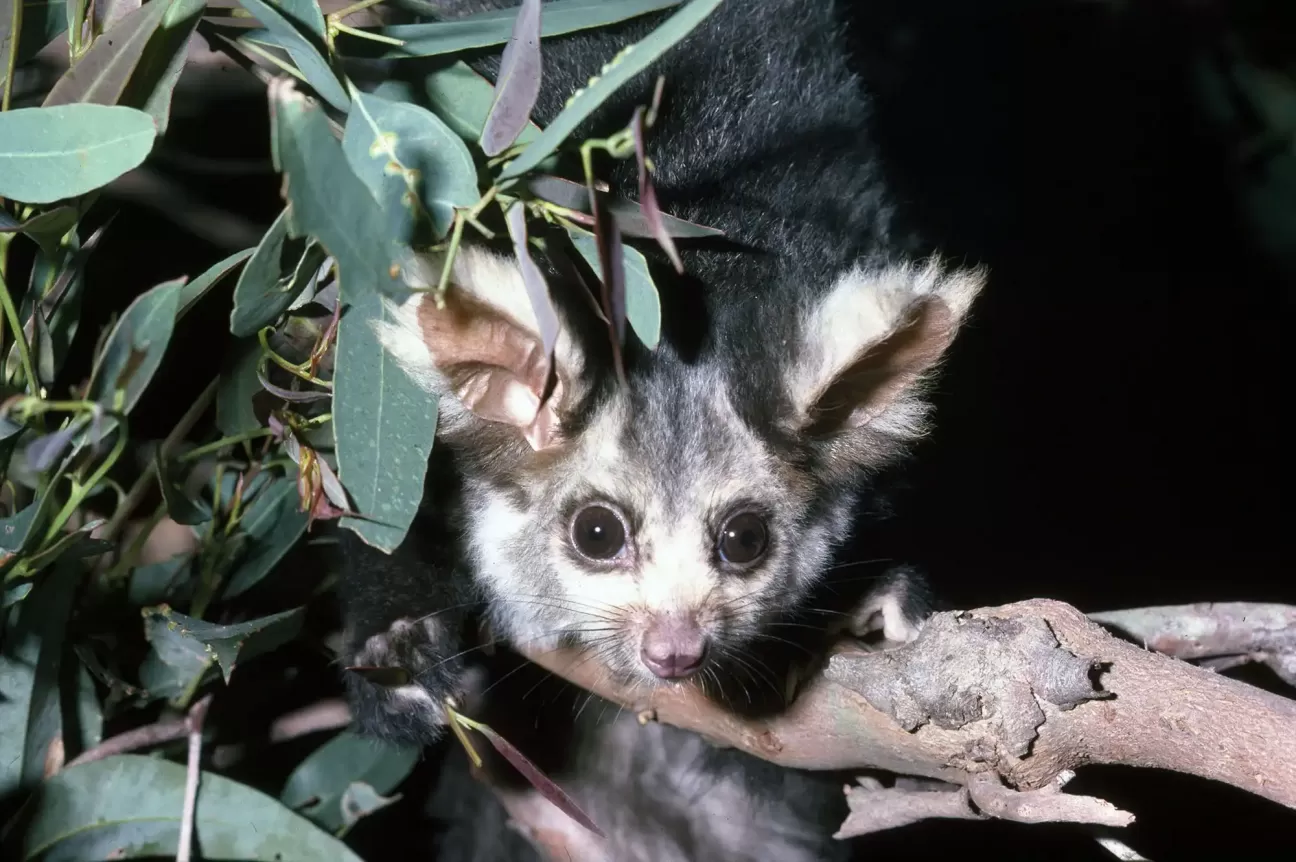
Greater gliders and koalas - Low intensity burns and raking help protect the hollowed logs, trees, and foliage that these marsupials rely on for shelter, food sources, and breeding.