Boodjamulla flood recovery
Boodjamulla Cooperative Management Council—the Waanyi People and Queensland Parks and Wildlife Service—are committed to managing Boodjamulla National Park (Aboriginal Land) together.
Boodjamulla National Park (Aboriginal Land) experienced widespread flooding in March 2023 resulting in a temporary closure of the national park due to extensive damage to visitor facilities and critical park infrastructure. This page has been created by the Boodjamulla Cooperative Management Council to provide updates on the progress of the recovery efforts to restore national park visitor facilities and infrastructure until such time as the national park re-opens fully.
Our number one priority is the safety and wellbeing of our staff and visitors. Areas of the national park (Aboriginal Land) will only be re-opened as recovery and improvement efforts make them safe to do so. We thank the local community, the visiting public and the tour group operators for their understanding during the temporary closure.
The flood impact
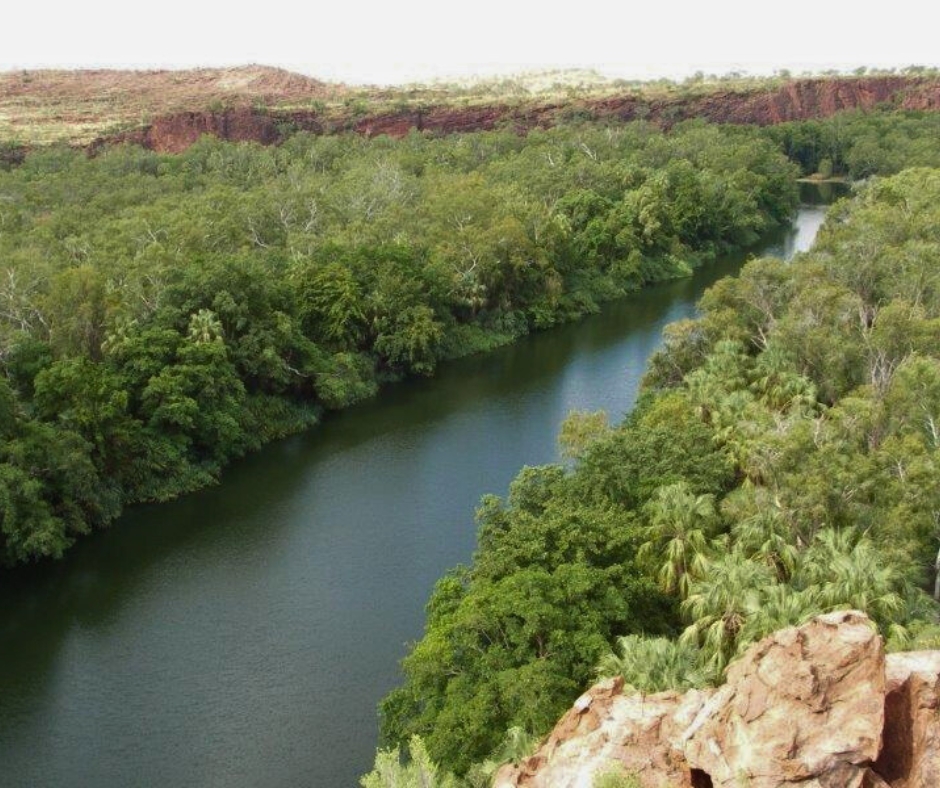
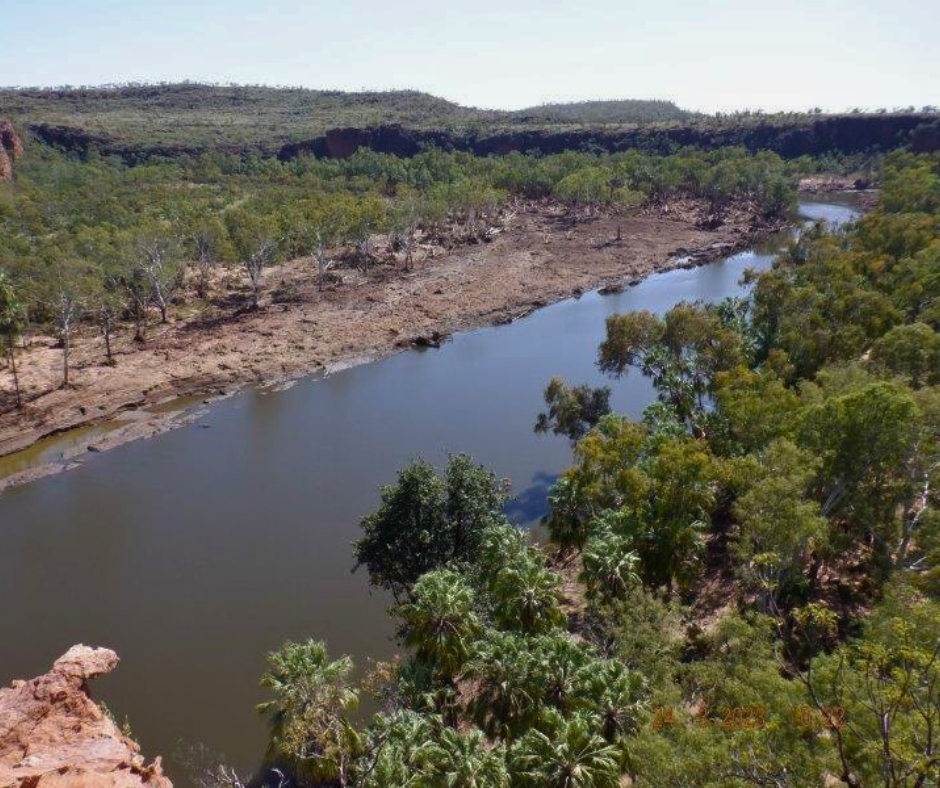
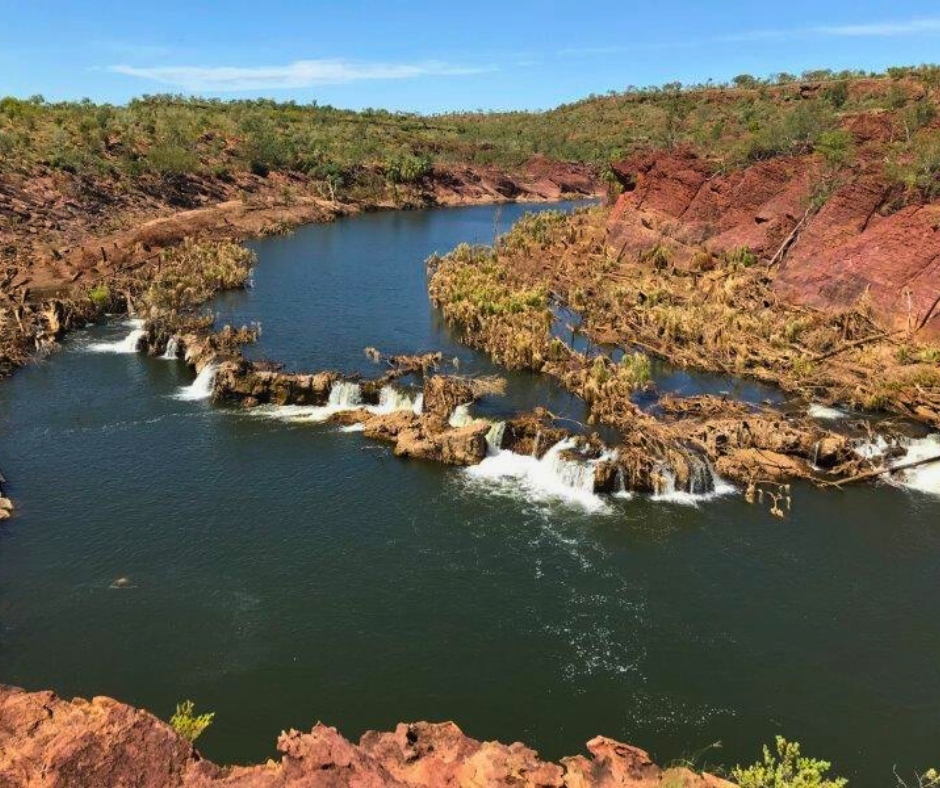
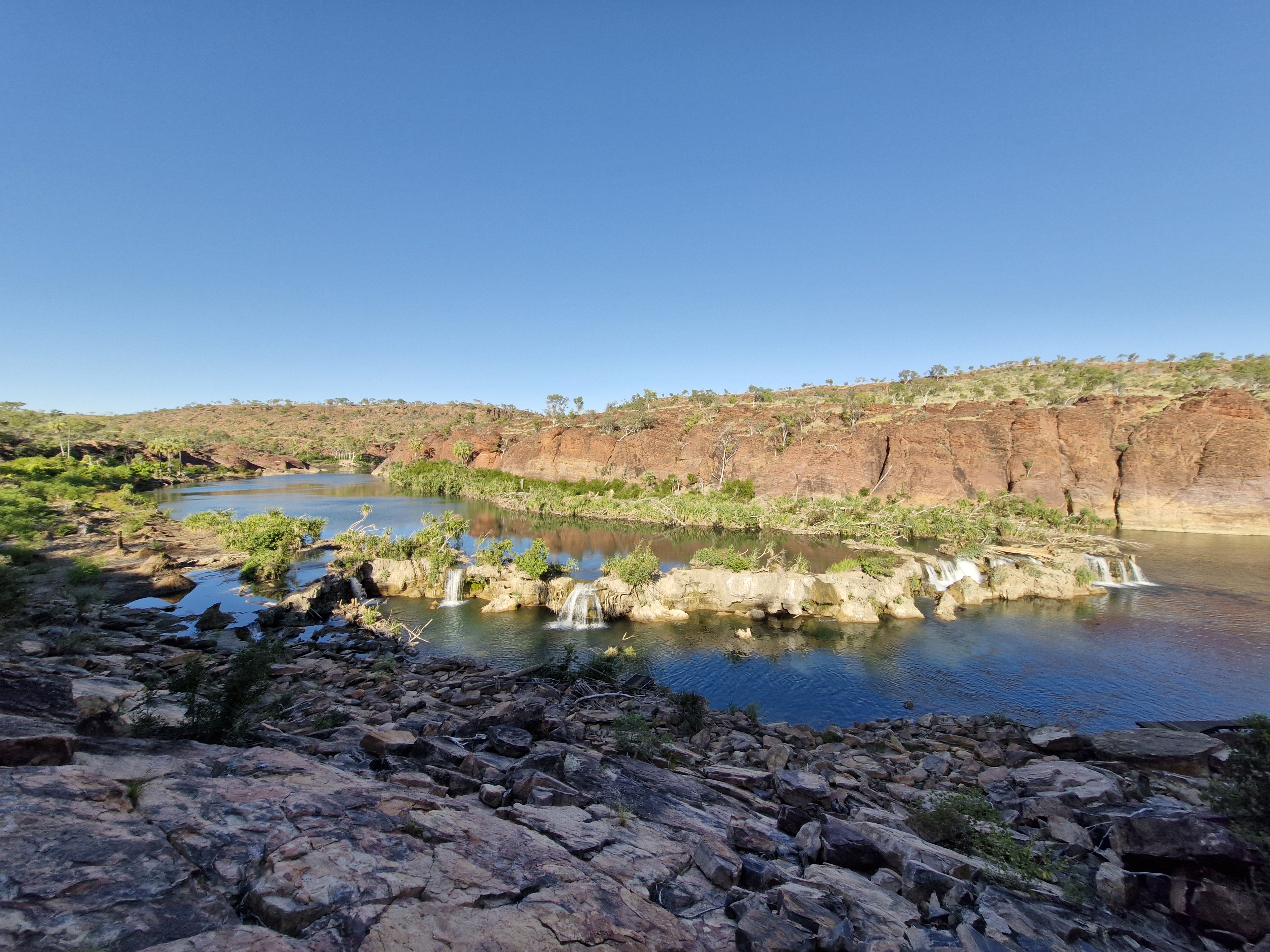
In early March 2023, unprecedented flood levels severely impacted Boodjamulla National Park. More than 1.3m of rain was dumped in the region, including 553mm of rain on 8–9 March—which is almost 15 times the median rainfall for the entire month of March! Floodwaters rose to 30m in Lawn Hill Gorge itself and the Gregory River rose to 18m at Riversleigh (breaking a previous record of 10.8m in 1971).
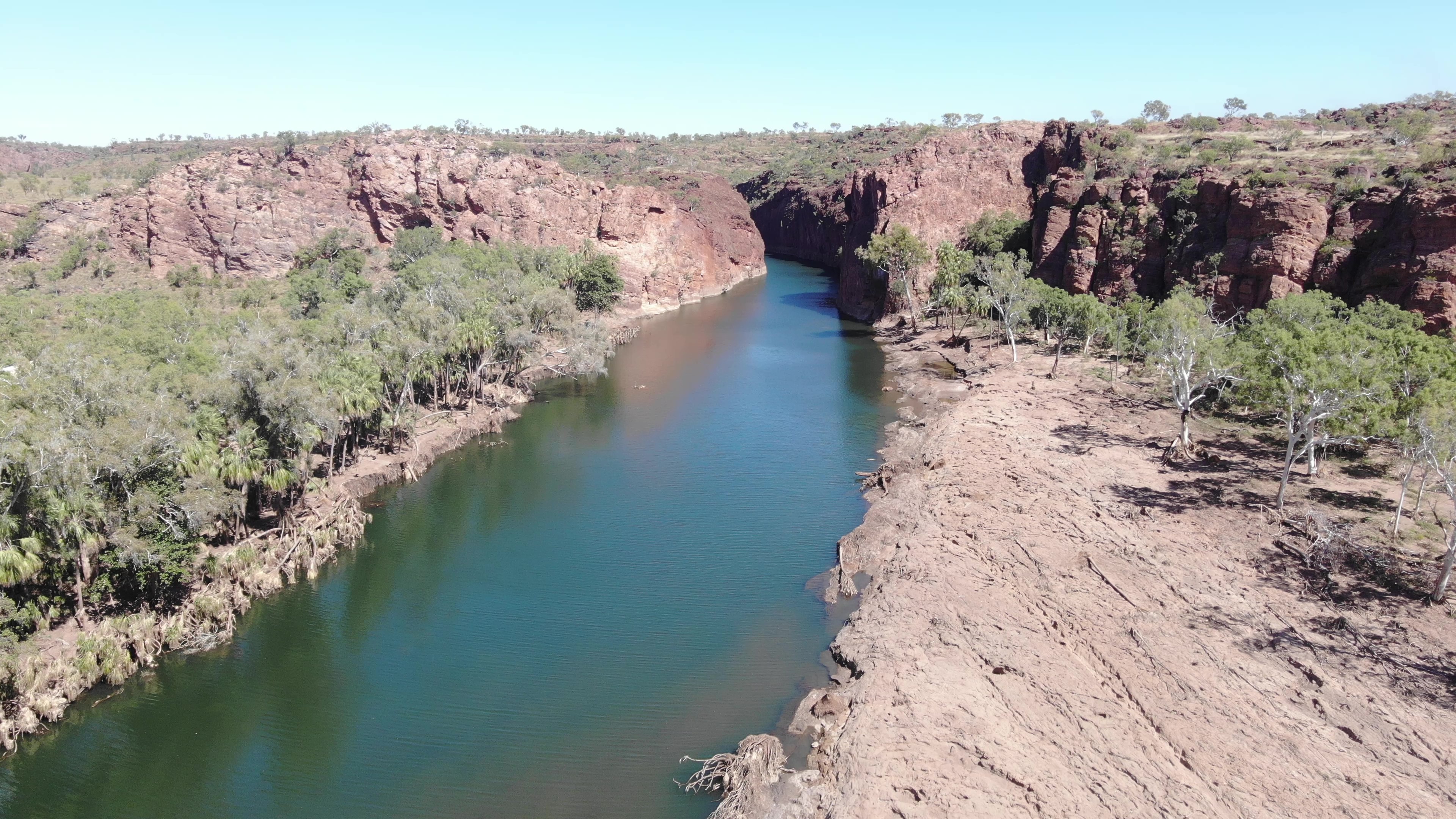
Ranger residences, the Lawn Hill Gorge visitor centre, building services, the Lawn Hill Gorge and Miyumba camping areas, walking tracks and trails were inundated with floodwaters, riparian vegetation was stripped from the banks of Lawn Hill Creek, and the roads leading to and within the national park suffered considerable damage.
Compounding the initial 2023 flood impact was another record-breaking flood event in January–February 2024. This was the second-highest flood on record and has protracted recovery efforts and set back ecosystem recovery.
Assessing the damage
Infrastructure assessments
Boodjamulla National Park (Aboriginal Land) was so impacted by the flooding that it wasn’t until late May 2023 that Queensland Parks and Wildlife Service and Ngumari Waanyi rangers were able to join engineers to safely conduct a site inspection of the accessible areas of the national park. During this inspection, the level of structural damage to national park assets was assessed and a flood study, that is informing the reconstruction project, was conducted.
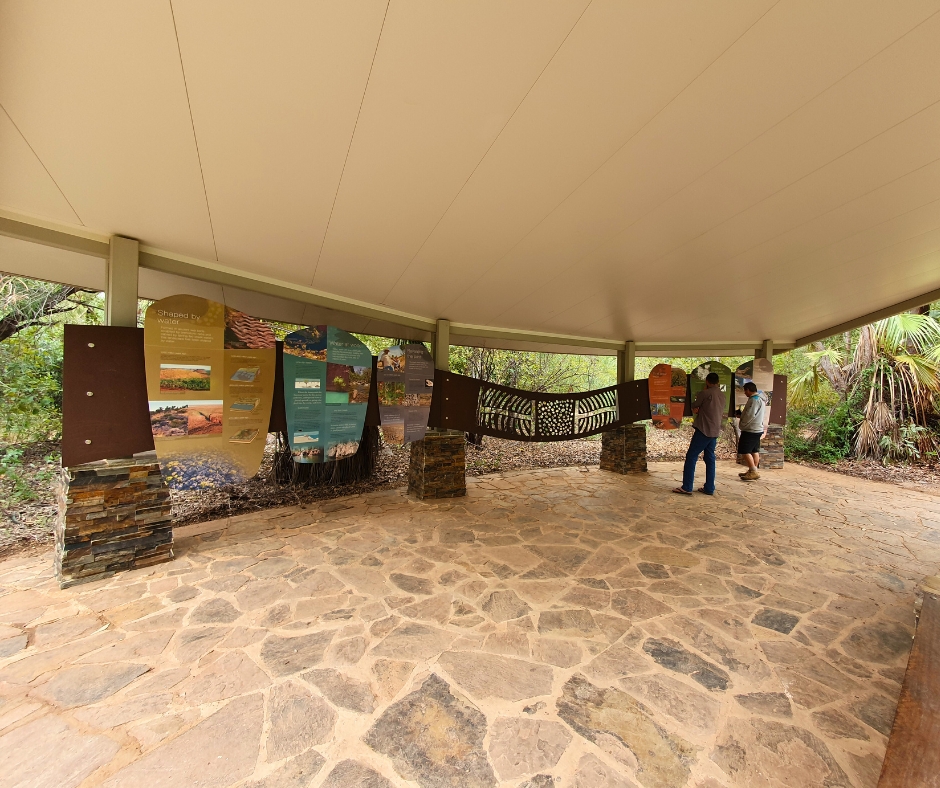
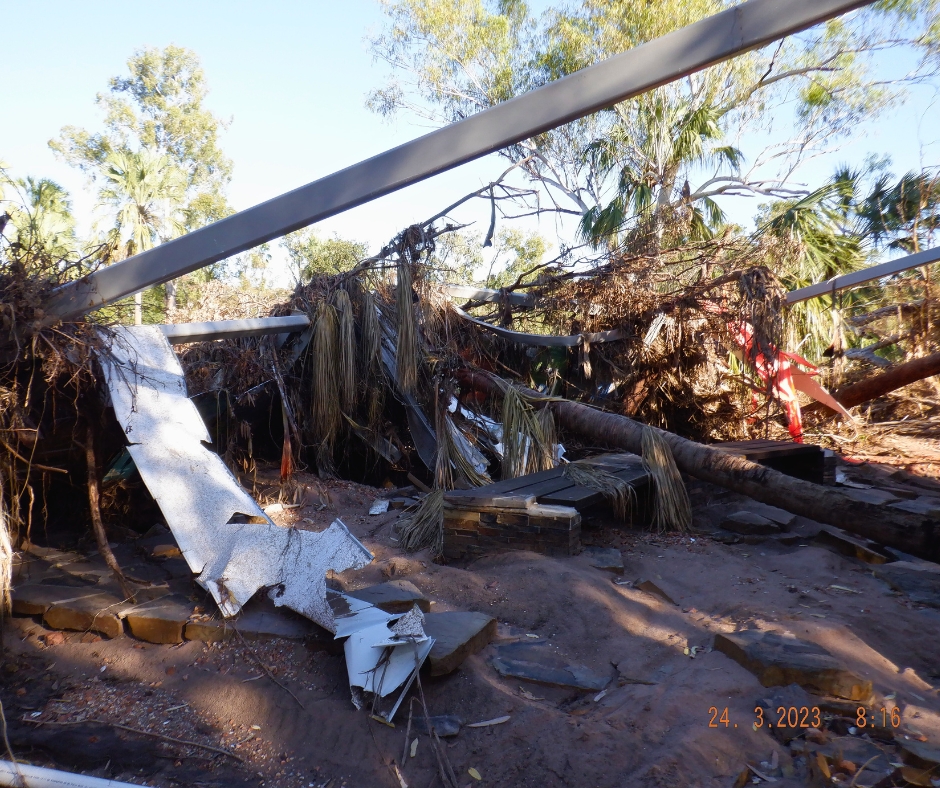
Floodwaters went through much of the infrastructure at the Lawn Hill Gorge base and visitor precinct, resulting in the loss of equipment and vehicles needed in restoration efforts. The office interior and all staff residences, except for one, were submerged by floodwater and the interpretive hub near the office was destroyed by fast flowing water and debris.
Geological assessments
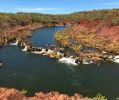
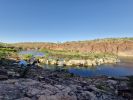
Large boulders above Indarri Falls required a geotechnical assessment to determine the safety risks, including how people working on recovery efforts could safely move about the impacted area.
Cultural assessments
Boodjamulla Country is the spiritual heart of Waanyi and the flood impacts are devastating to the Waanyi People. The impact to Waanyi cultural heritage on the national park (Aboriginal Land) was assessed by Waanyi Elders and community members. Helicopters were used to inspect significant sites across the landscape, including the Lawn Hill Gorge section and Riversleigh section of the Australian Fossil Mammal Site World Heritage Area. All significant sites were found to be above the flood height and not significantly impacted.
Ecological assessments
A rapid assessment of the ecological impacts of the flood was also undertaken by a multi-disciplinary team in July 2023. The team covered a lot of ground to assess the most heavily impacted key natural value—the riparian ecosystems—which supports many species that occur nowhere else within Queensland’s protected area estate.
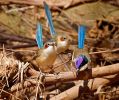
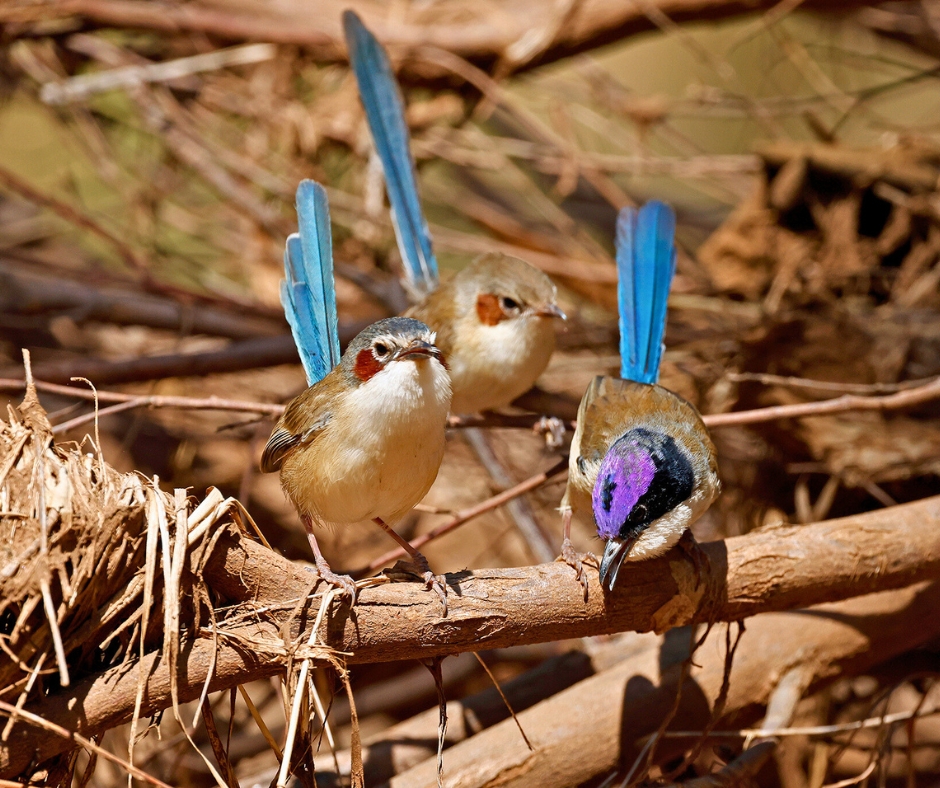
The team established vegetation monitoring sites, undertook ecosystem health checks, and resurveyed purple-crowned fairy-wren monitoring transects. This vulnerable species is largely reliant on the pandanus fringing the waterways. Despite the impacts of the flood on pandanus, the team were heartened by the numbers of individuals and groups of fairy-wrens found.
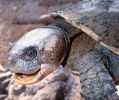
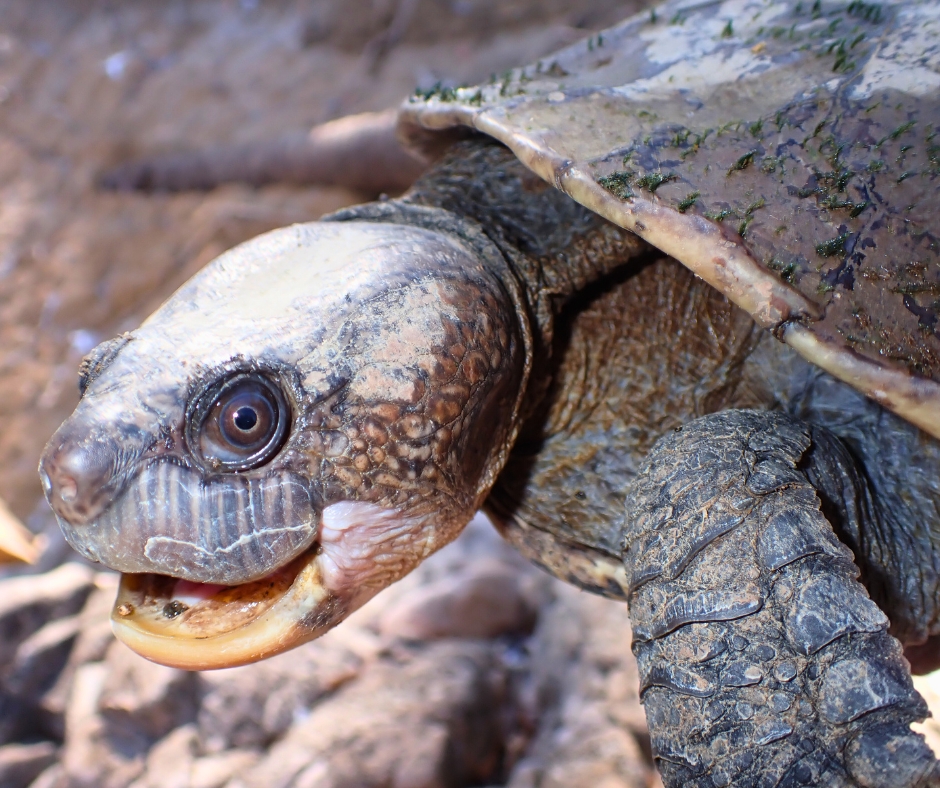
Surveys on the threatened gulf snapping turtle have also found the species to be persisting—however further monitoring will be undertaken to better inform us of the likely impacts to this highly restricted threatened species.
The road to recovery—a staged approach
Following detailed site assessments, engineers and geotechnical assessments, and ecological impact studies, the Boodjamulla Cooperative Management Council is implementing a planned, staged flood recovery process. Beyond recovery efforts, we remain committed to long-term goals, including enhancing the visitor experience, promoting awareness of Waanyi culture, and strengthening the partnership between Waanyi People and the Queensland Parks and Wildlife Service.
As part of the staged reopening, restored areas of Boodjamulla National Park (Aboriginal Land) will welcome back visitors and commercial operators starting Friday 4 July 2025.
Southern sections re-opened
In August 2023, the southern sections of Boodjamulla National Park (Aboriginal Land)—Riversleigh D Site (part of the Australian Fossil Mammal Sites World Heritage Area) and Miyumba camping area—were re-opened to the public. This milestone was achieved thanks to months of hard work by rangers, in hot conditions, to restore and present these less-affected areas for visitors.
Lawn Hill Gorge post flood reopening schedule UPDATE November 2025
Recovering from a significant flood event is a complex and lengthy process. The unprecedented scale of the floods, combined with challenges including material supply delays, the national park’s remote location, and extended wet season conditions, has made recovery efforts challenging.
In addition to the recovery, we are also focusing on building resilience to reduce the impact of future disasters on the area’s natural and cultural values, as well as its tourism sector.
Stages 1 and 2: re-establish key visitor facilities and critical infrastructure
Our primary goal is to safely reopen the Lawn Hill Gorge section of Boodjamulla National Park (Aboriginal Land) by restoring key visitor facilities. This includes cleaning, repairing and rebuilding essential facilities.
Critical support infrastructure, such as the Ranger residences and workshops damaged by the floods, have been stripped back and are undergoing significant repairs. Restoration of the remote area power supply, water supply and sewage treatment system is also underway.
We were excited to announce a partial re-opening of the Lawn Hill Gorge section to visitors starting Friday 4 July 2025 with the following visitor facilities available:
- Access to Lawn Hill Creek and canoeing through the towering sandstone gorge up to Indarri Falls.
- Walking up Constance Range on a re-routed section of walking track made possible by hard work from QPWS staff and Waanyi representatives.
- A section of camping area re-opened and initially available to commercial tour operators.
Continuing the staged reopening of visitor facilities, from Friday 7 November, visitors can also access:
- Lawn Hill Gorge camping area with 4 tent only sites and 14 ‘multi-use’ sites (suitable for off-road camper trailers, campervans and caravans). Amenities available include toilets but no showers. Camping bookings required.
- the Duwadarri viewpoint walking track. There are 2 options to walk this track and it is recommended visitors take the clockwise option, so the steep slope section of track is tackled going down rather than up.
Supporting ecosystem recovery
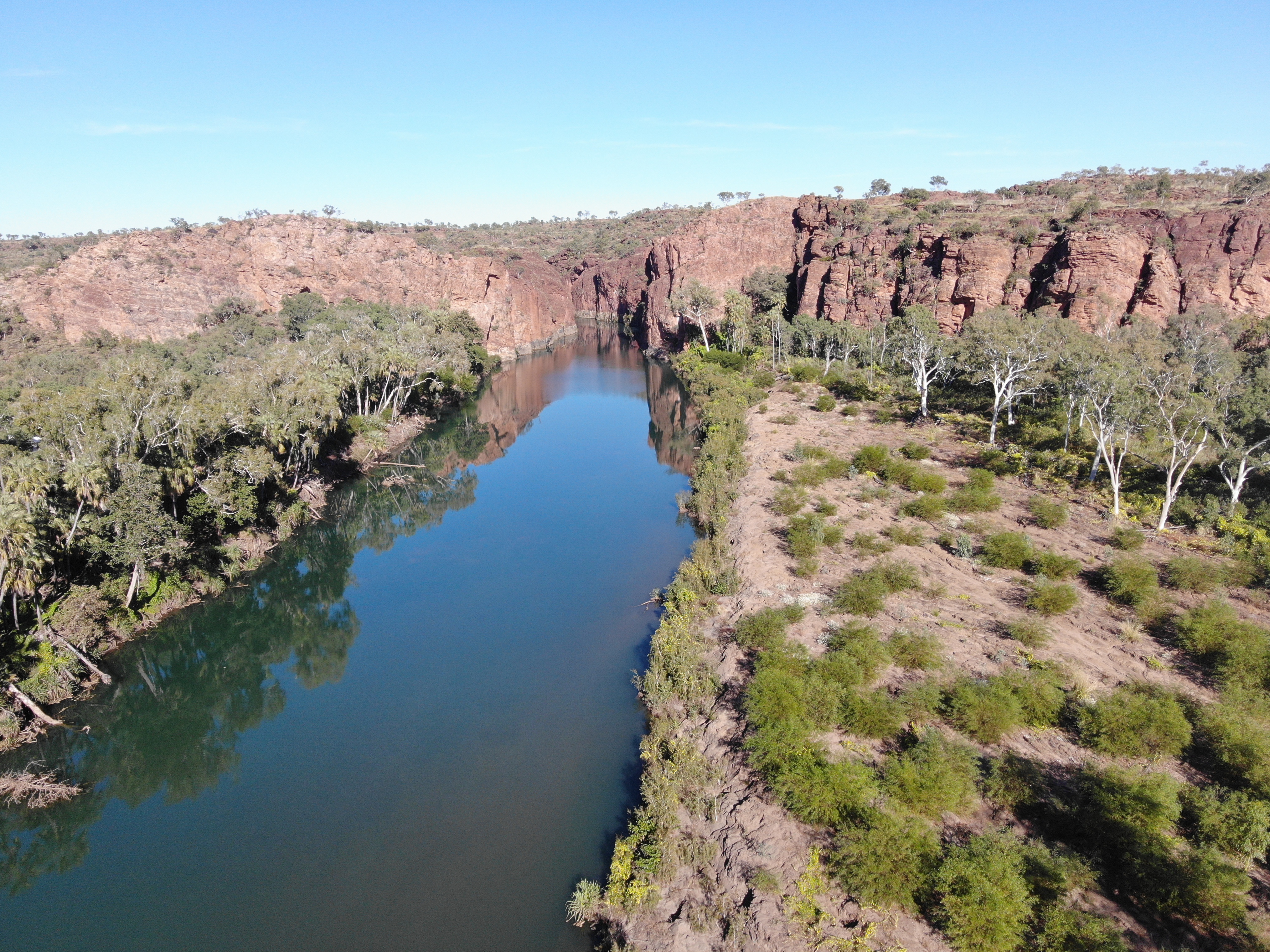
Guided by ecological impact assessments, we are undertaking targeted actions to support habitat recovery. These include retaining flood debris in riparian zones–to provide shelter for wildlife and promote seedling growth, managing pest plants and animals and conducting prescribed burns in fire-adapted ecosystems to protect recovering ecosystems.
While some areas may not return to their pre-flood condition, we are encouraged by the resilience of many species in Lawn Hill Gorge. Ongoing monitoring of this recovery will guide future management actions.
Thank you for your support and patience
The Boodjamulla Cooperative Management Council sincerely thank the local community and stakeholders for their continued support and patience while work to repair and restore flood-damaged visitor facilities and associated infrastructure.
- Visitor facilities open: Boodjamulla National Park (Aboriginal Land). Read park alert for details 16 October to 30 November 2026